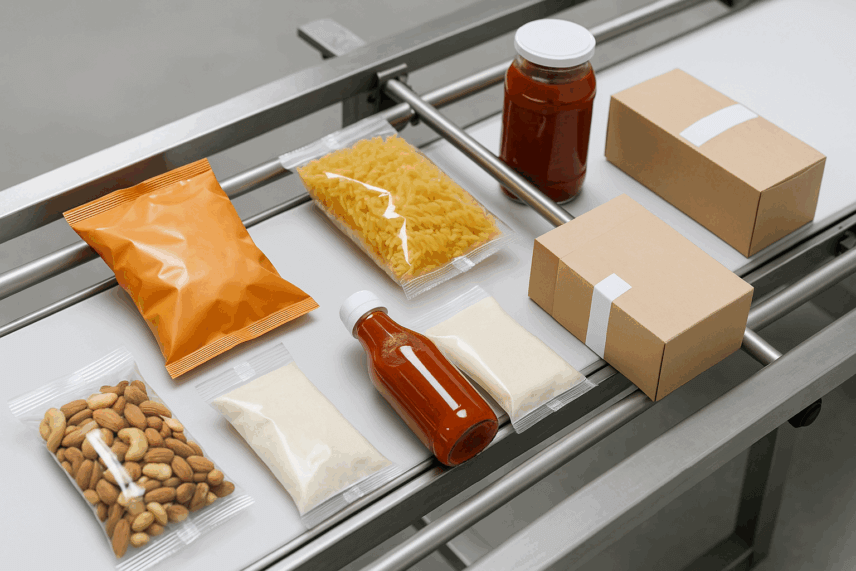
Ensuring the safety of food products goes far beyond the ingredients inside. The packaging that comes into direct contact with food plays a critical role in protecting consumers from contamination and maintaining product quality. Food-safe packaging regulations are designed to set clear standards for materials, manufacturing processes, and labeling to guarantee that packaging is suitable for its intended use and does not pose health risks.
For businesses in the food industry, understanding these requirements is essential to avoid costly recalls, legal issues, and reputational damage. This article breaks down the key aspects of compliance, the main regulatory bodies, and what manufacturers and brands need to know to ensure their packaging meets the latest standards.
The intersection of food technology and innovative manufacturing—such as bio printing food research—is also influencing packaging requirements, making it even more important to stay informed about evolving standards.
Why Food Packaging Safety Standards Matter
The primary goal of food-safe packaging regulations is to protect public health. Packaging materials can migrate chemicals into food, especially when exposed to heat, moisture, or acidic ingredients. Without strict controls, substances like heavy metals, plasticizers, or inks could contaminate products and endanger consumers.
Regulatory frameworks ensure that only approved substances are used and that packaging is manufactured under hygienic conditions. These rules also help maintain consumer trust and support global trade by harmonizing standards across different markets.
Key Regulatory Bodies and Their Roles
Several organizations set and enforce rules for food packaging safety. The main authorities include:
- FDA (U.S. Food and Drug Administration): Oversees food contact substances in the United States, requiring pre-market approval for new materials and setting limits on migration of chemicals.
- EFSA (European Food Safety Authority): Provides scientific advice and risk assessments for materials used in food contact applications within the European Union.
- Other National Agencies: Countries such as Canada, Australia, and Japan have their own standards, often referencing or aligning with international guidelines.
Manufacturers exporting products internationally must ensure their packaging complies with the regulations of each target market.
What Makes Packaging Food-Safe?
Not all packaging is created equal. To be considered safe for food contact, materials must meet several criteria:
- Non-toxicity: Materials must not release harmful substances into food under normal conditions of use.
- Durability: Packaging should maintain its integrity during storage, transport, and handling.
- Cleanliness: Production environments must be hygienic to prevent contamination.
- Traceability: Packaging should be labeled or coded to allow tracking in case of recalls or quality issues.
For a detailed breakdown of material requirements, see this comprehensive guide to food-grade packaging materials.
Common Materials and Their Compliance Considerations
The most widely used food packaging materials include plastics, glass, metals, and paper-based products. Each has specific compliance challenges:
- Plastics: Must be made from approved polymers and additives. Migration testing is often required to ensure safety, especially for high-temperature applications.
- Glass: Generally inert, but coatings or decorations must also be evaluated for food contact safety.
- Metals: Used for cans and lids, these require protective linings to prevent corrosion and leaching of metals into food.
- Paper and Cardboard: Should be free of harmful chemicals and may require barriers to prevent absorption of moisture or fats.

Labeling and Documentation Requirements
Compliance with food-safe packaging regulations goes beyond material selection. Proper labeling and documentation are essential for traceability and legal compliance. Key requirements include:
- Declaration of Compliance: A written statement confirming that packaging meets all relevant regulatory requirements.
- Batch Codes and Traceability: Enables tracking of packaging batches in case of quality or safety issues.
- Instructions for Use: Information on temperature limits, reusability, and safe handling.
Accurate documentation is especially important for businesses involved in multimaterial 3D printing of packaging components, where different materials may have varying regulatory requirements.
Recent Trends and Future Directions
The landscape of food packaging safety is evolving. Sustainability concerns are driving the adoption of biodegradable and compostable materials, which must still meet strict safety standards. Advances in nanotechnology in 3D printing and smart packaging are also introducing new regulatory challenges.
Regulators are increasingly focused on issues such as microplastics, endocrine disruptors, and the recyclability of packaging. Staying up to date with these trends is crucial for businesses aiming to remain compliant and competitive.
Best Practices for Ensuring Compliance
To navigate the complex world of packaging safety, consider these practical steps:
- Work with trusted suppliers: Source materials from reputable vendors who provide clear documentation and testing data.
- Stay informed: Regularly review updates from regulatory agencies and industry associations.
- Test regularly: Conduct migration and performance tests, especially when changing materials or suppliers.
- Maintain records: Keep thorough documentation of compliance, test results, and supplier certifications.
- Train staff: Ensure employees understand the importance of packaging safety and know how to handle compliance documentation.
FAQ: Food Packaging Safety and Compliance
What are the main risks if packaging does not meet safety standards?
The primary risks include contamination of food with harmful chemicals, legal penalties, product recalls, and loss of consumer trust. Non-compliance can also prevent products from being sold in certain markets.
How can I tell if a packaging material is approved for food contact?
Approved materials are typically listed by regulatory agencies such as the FDA or EFSA. Suppliers should provide a declaration of compliance and relevant test results. Look for documentation and certifications before use.
Are sustainable packaging materials always food-safe?
Not necessarily. While sustainable materials are designed to reduce environmental impact, they must still pass the same safety and migration tests as conventional packaging. Always verify that eco-friendly options meet all regulatory requirements for food contact.
What should I do if I want to export food products internationally?
Research the packaging regulations for each destination country, as requirements can vary. Work with suppliers familiar with international standards and ensure all documentation is in order to avoid customs delays or rejections.