Ensuring the safety and freshness of dairy items is a top priority for producers, retailers, and consumers alike. The right food-safe packaging for dairy products plays a crucial role in maintaining quality, extending shelf life, and meeting regulatory standards. From milk and cheese to yogurt and butter, each type of dairy requires specific packaging solutions to protect against contamination, spoilage, and environmental factors.
Understanding the principles behind safe packaging is essential for anyone involved in the dairy supply chain. Whether you are a manufacturer, a packaging designer, or a business owner, knowing how to select and evaluate suitable materials can make a significant difference in product integrity and consumer trust. For those interested in related production processes, learning about what is soft hand feel in garment printing can also provide insights into material handling and quality control.
Why Safe Packaging Matters in the Dairy Industry
Dairy products are highly perishable and sensitive to environmental conditions. Exposure to air, moisture, light, and microorganisms can quickly lead to spoilage or contamination. Food-safe packaging for dairy products is designed to create a protective barrier, preventing the entry of harmful substances and maintaining optimal storage conditions.
In addition to protecting against spoilage, safe packaging helps to:
- Preserve nutritional value and flavor
- Prevent cross-contamination during transport and storage
- Comply with food safety regulations and standards
- Enhance product presentation and brand reputation
The right packaging solution is not just about aesthetics; it is a fundamental part of food safety management in the dairy sector.
Key Materials Used for Dairy Packaging
Selecting the right material is essential for ensuring that dairy items remain safe and fresh throughout their shelf life. Common materials used in food-safe packaging for dairy products include:
- High-density polyethylene (HDPE): Widely used for milk jugs and yogurt containers, HDPE is durable, lightweight, and resistant to moisture.
- Polyethylene terephthalate (PET): Often chosen for bottles and jars, PET provides excellent clarity and a strong barrier against oxygen.
- Glass: Used for premium milk, cream, and yogurts, glass is non-reactive and fully recyclable, though heavier and more fragile than plastics.
- Paperboard with coatings: Cartons for milk and cream typically use paperboard lined with polyethylene or aluminum to prevent leaks and contamination.
- Flexible films: Cheese and butter are often wrapped in multilayer films that combine plastic and aluminum for superior protection.

Each material offers unique benefits and is chosen based on the specific needs of the product, such as required shelf life, storage conditions, and consumer preferences.
Regulatory Standards and Compliance
All packaging intended for direct contact with dairy must adhere to strict food safety regulations. These standards are set by agencies such as the U.S. Food and Drug Administration (FDA), the European Food Safety Authority (EFSA), and other national bodies. Key requirements include:
- Use of approved, non-toxic materials
- Prevention of chemical migration from packaging to food
- Proper labeling and traceability
- Hygienic manufacturing and handling processes
Manufacturers must conduct regular testing to ensure compliance and maintain certifications. Staying updated with evolving regulations is vital for continued market access and consumer safety.
Types of Packaging Solutions for Dairy Products
The diversity of dairy items requires a range of packaging formats. Here are some common solutions:
- Bottles and Jugs: Used for milk, cream, and drinkable yogurts, typically made from HDPE or PET for durability and ease of pouring.
- Cartons: Aseptic cartons are popular for UHT milk and cream, offering extended shelf life without refrigeration.
- Cups and Tubs: Yogurt, sour cream, and spreads are often packaged in polypropylene or PET containers with foil or plastic lids.
- Flexible Pouches: Increasingly used for single-serve yogurts and cheese spreads, these pouches are lightweight and convenient.
- Vacuum Packs and Modified Atmosphere Packaging (MAP): Cheese and butter benefit from vacuum sealing or MAP to reduce oxygen exposure and extend freshness.
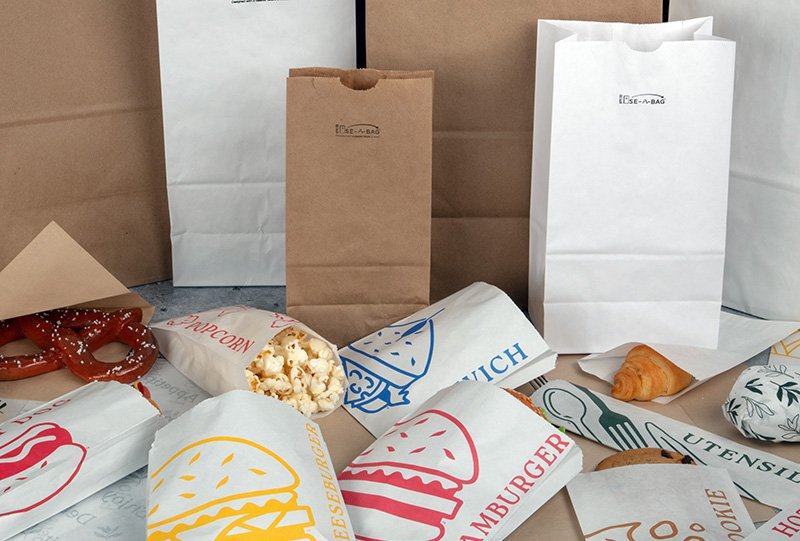
The choice of packaging depends on the product’s shelf life, distribution method, and consumer convenience.
Best Practices for Selecting Safe Packaging
When choosing packaging for dairy, consider the following best practices:
- Assess Barrier Properties: Ensure the material effectively blocks moisture, oxygen, and light as needed for the specific dairy product.
- Check Compatibility: The packaging must not react with the food or alter its taste and quality.
- Prioritize Sustainability: Opt for recyclable or biodegradable materials where possible to reduce environmental impact.
- Verify Certifications: Look for packaging that meets recognized food safety standards and certifications.
- Consider Consumer Experience: Easy-to-open, resealable, and portion-controlled packaging can enhance customer satisfaction.
For a deeper dive into safe packaging solutions across the food industry, the complete guide to food-safe packaging solutions provides comprehensive insights and practical tips.
Emerging Trends in Dairy Packaging
The packaging landscape is constantly evolving as new technologies and consumer demands shape the industry. Some notable trends include:
- Smart Packaging: Incorporating sensors or indicators that monitor freshness and temperature during transport and storage.
- Eco-Friendly Materials: Increased use of plant-based plastics, compostable films, and recycled content to reduce environmental impact.
- Personalized and Convenient Formats: Growth in single-serve, resealable, and on-the-go packaging to meet modern lifestyles.
- Enhanced Branding: Innovative printing and labeling techniques for improved shelf appeal and consumer engagement.
Staying informed about these trends helps businesses remain competitive and responsive to changing market needs.
Frequently Asked Questions
What makes packaging “food-safe” for dairy items?
Packaging is considered food-safe when it is made from materials approved for direct food contact, does not leach harmful chemicals, and effectively protects the product from contamination. Compliance with regulatory standards and regular testing are essential to ensure ongoing safety.
How does packaging affect the shelf life of dairy products?
Proper packaging creates a barrier against air, moisture, and light, all of which can accelerate spoilage. By using materials with strong barrier properties and sealing methods like vacuum packing or modified atmosphere, the shelf life of dairy products can be significantly extended.
Are eco-friendly packaging options available for dairy?
Yes, there is a growing range of sustainable packaging choices for dairy, including recyclable plastics, biodegradable films, and paper-based cartons. These options help reduce environmental impact while maintaining food safety and product quality.