The world of construction is undergoing a transformation as construction-scale 3D printers become more accessible and advanced. These large-format machines are redefining how buildings, infrastructure, and even homes are designed and constructed. By automating the process of layering materials to create complex structures, these printers offer new opportunities for efficiency, creativity, and sustainability in the building industry.
As the technology matures, professionals and innovators are exploring how these systems can address challenges like labor shortages, material waste, and the need for rapid, affordable housing. If you’re interested in related innovations in printing, you might also want to learn about the benefits of micro-factory models for fashion printing, which similarly leverage automation and flexibility.
Understanding Large-Format 3D Printing for Construction
Large-scale additive manufacturing in construction involves using oversized 3D printers to fabricate building components or entire structures. Unlike desktop 3D printers, these machines can print walls, columns, and complex architectural features directly on-site or in prefabrication facilities. The process typically uses materials such as concrete, specialized mortars, or composites, which are extruded layer by layer to form robust, load-bearing elements.
The main advantage of this approach is the ability to produce intricate shapes and custom designs that would be difficult or costly with traditional methods. Additionally, the automation reduces manual labor and can significantly speed up project timelines.
Key Benefits of Construction-Scale 3D Printers
- Speed: Large-format printers can build structures in days instead of weeks or months, making them ideal for rapid housing or disaster relief projects.
- Material Efficiency: Additive manufacturing minimizes waste by using only the necessary amount of material for each layer.
- Design Flexibility: Architects and engineers can experiment with organic forms, curves, and unique geometries without added complexity or cost.
- Cost Savings: Reduced labor and material waste can lower overall construction expenses, especially for repetitive or modular designs.
- Sustainability: Some systems use recycled materials or locally sourced aggregates, supporting greener building practices.
How the Technology Works
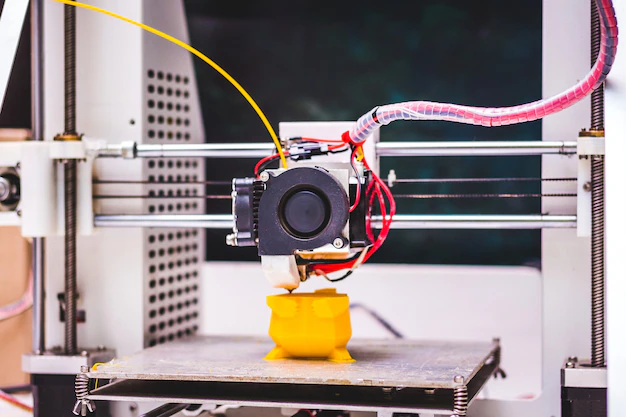
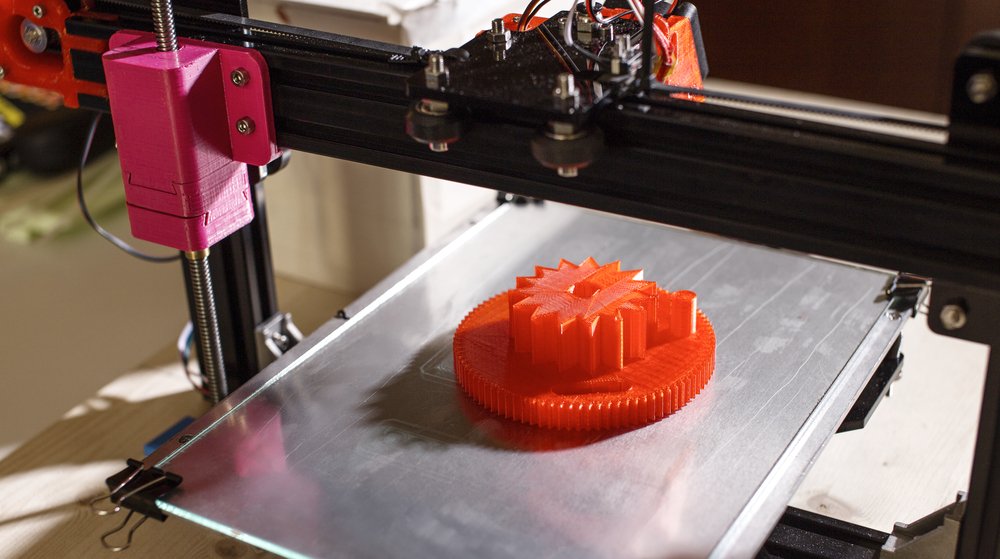
At the core of these systems is a robotic arm or gantry that moves a print head along three axes. The printer follows a digital blueprint, extruding material in precise layers. The process is controlled by advanced software that ensures accuracy, structural integrity, and adherence to design specifications.
Some construction-scale 3D printers are mobile, allowing them to be set up directly at the building site. Others are stationary and used for prefabricating components that are later assembled on location. The choice depends on the project requirements and logistical considerations.
Applications and Real-World Examples
The use of construction-scale 3D printers is expanding rapidly. Some notable applications include:
- Residential Housing: Several companies have successfully printed entire homes, offering affordable and customizable solutions for urban and rural areas.
- Commercial Buildings: Offices, warehouses, and retail spaces are being constructed with large-format printing, reducing build times and costs.
- Infrastructure: Bridges, bus stops, and public amenities can be fabricated with intricate designs and rapid deployment.
- Disaster Relief: Quick assembly of shelters in response to natural disasters, providing safe and durable housing for affected communities.
For those interested in the broader world of 3D printing, explore a range of professional 3D printers that cater to different industries, from prototyping to manufacturing.
Materials Used in Large-Format 3D Construction
The choice of material is critical for safety, durability, and sustainability. Most construction-scale printers use:
- Concrete: Special mixes with additives for faster curing and improved flow.
- Composite Materials: Blends of cement, sand, polymers, or fibers for enhanced strength and flexibility.
- Eco-Friendly Options: Some systems utilize recycled plastics or locally sourced aggregates to reduce environmental impact.
Material innovation continues to drive the capabilities of these systems, enabling new applications and improved performance.
Challenges and Considerations for Adoption
While the benefits are significant, there are challenges to widespread adoption of large-format 3D printing in construction:
- Regulatory Hurdles: Building codes and standards may not yet fully address 3D-printed structures, requiring special approvals.
- Material Certification: Ensuring that printed materials meet safety and durability requirements is essential.
- Skill Gaps: Operators need training in both construction and digital manufacturing technologies.
- Initial Investment: The upfront cost of equipment and setup can be high, though it may be offset by long-term savings.
As the industry matures, collaboration between technology providers, regulators, and construction professionals will be crucial for mainstream adoption.
Future Trends in 3D Construction Printing
The future of construction-scale 3D printers looks promising. Ongoing research is focused on expanding the range of printable materials, improving automation, and integrating robotics for tasks like finishing and assembly. There is also growing interest in combining 3D printing with other digital construction methods, such as Building Information Modeling (BIM) and modular prefabrication.
As these technologies converge, we can expect even greater efficiency, customization, and sustainability in the built environment. For those curious about innovations in other printing sectors, learning about what is soft hand feel in garment printing can provide insight into how materials and processes are evolving across industries.
FAQ
What types of structures can be built with large-format 3D printers?
These systems are capable of producing a wide variety of structures, including single-family homes, apartment buildings, commercial spaces, bridges, and even decorative architectural elements. The flexibility of the technology allows for both simple and highly complex designs.
Are 3D-printed buildings safe and durable?
Yes, when designed and constructed properly, 3D-printed buildings can meet or exceed conventional safety and durability standards. The materials used are engineered for structural integrity, and ongoing testing ensures compliance with relevant building codes.
How does 3D printing in construction impact sustainability?
Additive manufacturing in construction reduces material waste, enables the use of recycled or local materials, and can lower the carbon footprint of building projects. The efficiency of the process also means less energy and fewer resources are required compared to traditional methods.