The rapid advancement of 3D printing education programs is transforming how students and professionals acquire skills in design, engineering, and manufacturing. From primary schools to universities and specialized training centers, learning opportunities in this field are expanding across the globe. These initiatives are not only equipping individuals with technical know-how but also fostering creativity, problem-solving, and innovation.
As additive manufacturing becomes more accessible, educational institutions and organizations are integrating hands-on experiences with digital fabrication tools. Whether you are a student, educator, or industry professional, understanding the landscape of these programs can help you find the right path to develop your expertise in this dynamic area.
For those interested in related printing technologies, you may also want to explore what is soft hand feel in garment printing and how it intersects with modern fabrication techniques.
Global Expansion of Additive Manufacturing Education
Over the past decade, 3D printing education programs have grown from niche offerings to mainstream curricula in many countries. Schools and universities are investing in 3D printers, software, and teacher training to prepare students for future careers in engineering, architecture, healthcare, and product design.
In North America and Europe, many secondary schools now include basic additive manufacturing modules in STEM classes. Universities offer degree tracks and research opportunities focused on digital fabrication. In Asia, government initiatives are supporting the integration of 3D printing into vocational training and higher education, aiming to build a skilled workforce for emerging industries.
Types of 3D Printing Learning Opportunities
The range of educational offerings in this field is broad, catering to different age groups and skill levels. Here are some common types of programs found worldwide:
- K-12 Integration: Many primary and secondary schools introduce students to 3D modeling and printing through project-based learning. These experiences often focus on creativity, problem-solving, and basic engineering principles.
- University Degrees and Certificates: Higher education institutions offer undergraduate and graduate degrees in additive manufacturing, mechanical engineering, industrial design, and related fields. Certificate programs provide targeted training for specific applications.
- Workshops and Bootcamps: Short-term courses and workshops are popular for professionals and hobbyists seeking hands-on experience. These sessions cover topics such as CAD design, printer operation, and material selection.
- Online Courses: Digital platforms and universities provide remote learning options, making it possible to access quality instruction regardless of location.
- Industry Partnerships: Collaborations between educational institutions and companies offer students real-world experience and exposure to the latest technologies.
Key Skills Developed Through 3D Printing Education
Participating in structured learning opportunities around additive manufacturing helps students and professionals develop a range of valuable skills:
- 3D Modeling and CAD: Understanding how to create and manipulate digital models is fundamental to the design process.
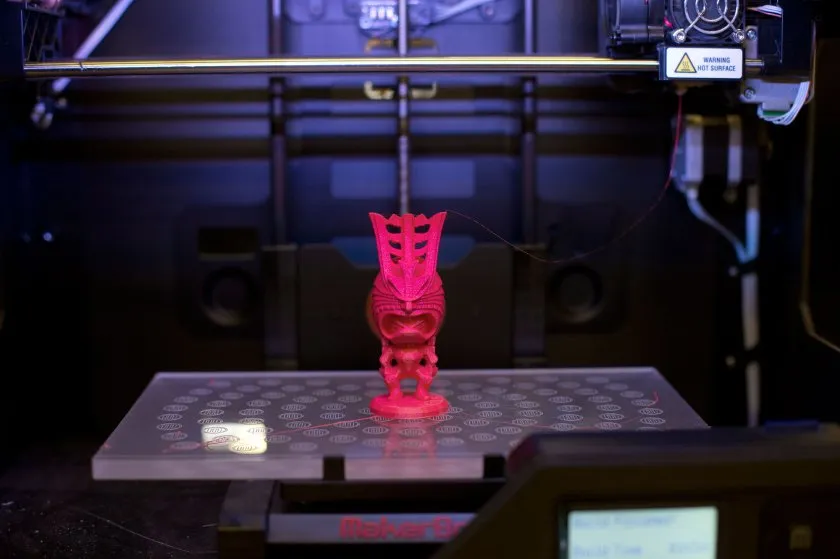
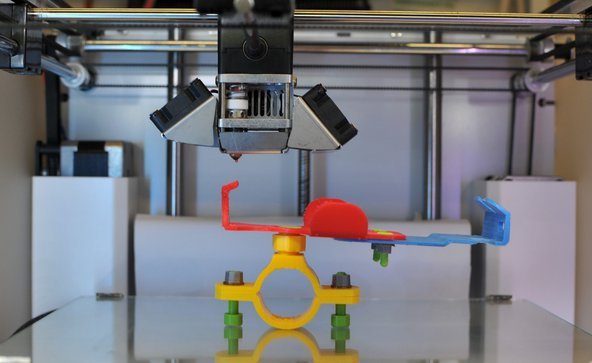
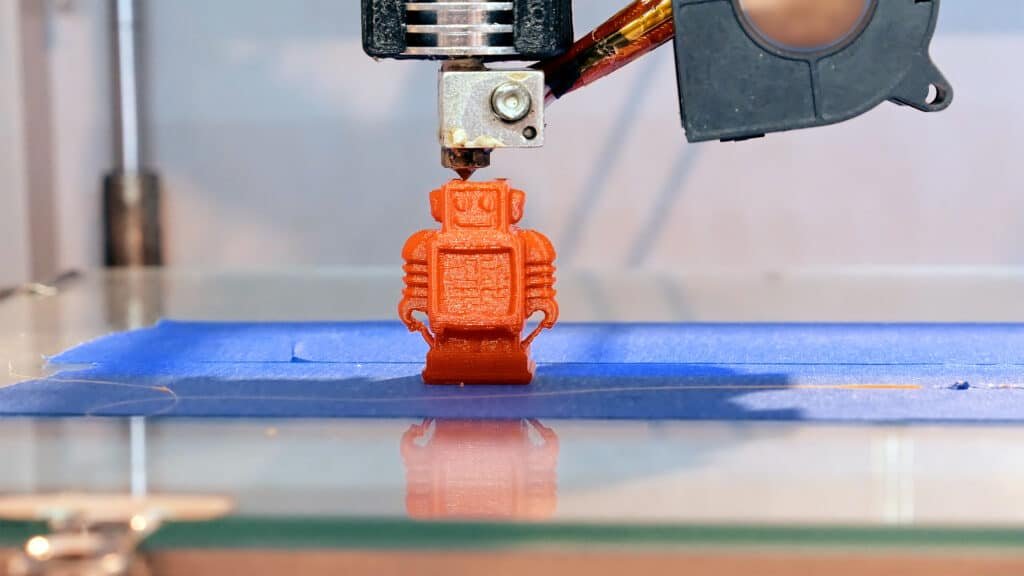
- Printer Operation: Learning to set up, calibrate, and maintain 3D printers is essential for producing high-quality results.
- Material Science: Knowledge of different printing materials, such as plastics, resins, and metals, enables informed choices for various applications.
- Problem-Solving: Troubleshooting print failures and optimizing designs fosters critical thinking and resilience.
- Collaboration: Many projects involve teamwork, communication, and interdisciplinary cooperation.
Notable International Initiatives and Partnerships
Several global organizations and companies are working to expand access to 3D printing education programs. For example, the Autodesk 3D printing solutions initiative provides free educational resources and software to students and educators worldwide.
In addition, major universities in the United States, Germany, China, and the United Kingdom have established dedicated labs and research centers focused on additive manufacturing. These centers often collaborate with industry partners to drive innovation and offer students hands-on experience with the latest equipment and materials.
Nonprofit organizations also play a role, especially in developing regions. They provide teacher training, curriculum development, and access to affordable 3D printers, helping bridge the digital divide and inspire the next generation of makers and engineers.
Choosing the Right Program for Your Goals
Selecting an educational pathway in additive manufacturing depends on your background, interests, and career aspirations. Here are some factors to consider:
- Level of Instruction: Are you a beginner, intermediate, or advanced learner? Choose a program that matches your current skills and desired outcomes.
- Hands-On Experience: Look for opportunities to work directly with 3D printers and software, as practical skills are essential in this field.
- Accreditation and Recognition: Accredited programs or those affiliated with reputable institutions can enhance your credentials.
- Industry Connections: Programs with strong ties to industry may offer internships, job placement, or exposure to real-world projects.
- Flexibility: Consider whether you need in-person, online, or hybrid learning options to fit your schedule.
Future Trends in Additive Manufacturing Education
As technology continues to evolve, 3D printing education programs are expected to become even more integrated into mainstream education. Emerging trends include:
- Interdisciplinary Learning: Combining additive manufacturing with robotics, electronics, and coding to create comprehensive STEM experiences.
- Remote and Virtual Labs: Online platforms that simulate 3D printing processes, making hands-on learning accessible from anywhere.
- Sustainability Focus: Emphasizing eco-friendly materials and processes to address environmental challenges.
- Personalized Learning: Adaptive curricula that cater to individual learning styles and pace.
These developments will help prepare students and professionals for the demands of modern manufacturing and creative industries. For those interested in how digital fabrication is impacting fashion, the benefits of micro-factory models for fashion printing offer a glimpse into the future of on-demand production.
Frequently Asked Questions
What are the main benefits of participating in 3D printing education?
Engaging in structured learning around additive manufacturing helps individuals develop technical skills, creativity, and problem-solving abilities. It also opens up career opportunities in engineering, design, healthcare, and manufacturing.
Can beginners join 3D printing courses without prior experience?
Yes, many programs are designed for beginners and provide step-by-step instruction in 3D modeling, printer operation, and basic design principles. Some courses require no prior technical background.
How do online 3D printing courses compare to in-person programs?
Online courses offer flexibility and accessibility, allowing learners to study at their own pace. In-person programs often provide more hands-on experience with equipment and direct interaction with instructors, which can be valuable for skill development.
What industries benefit most from additive manufacturing education?
Sectors such as aerospace, automotive, healthcare, consumer products, and fashion are increasingly seeking professionals with expertise in digital fabrication and 3D printing technologies.
For more insights into related printing techniques and their applications, you might find value in learning about how to remove ghost images from printing screens.