Ensuring that food products are packaged safely is a top priority for manufacturers, retailers, and consumers alike. Food-safe packaging certification plays a critical role in verifying that packaging materials and processes meet strict safety standards, helping to protect public health and build consumer trust. Whether you are a business owner in the food industry, a packaging supplier, or simply a curious consumer, understanding how these certifications work can help you make informed decisions about food safety and compliance.
In this guide, we will break down what food-safe packaging certification means, why it matters, how the process works, and which standards are most widely recognized. We will also explore the benefits for businesses and consumers, and answer some of the most common questions about this important topic.
For those interested in how packaging intersects with other innovative industries, you might also enjoy learning about what is the future of smart textiles and printing and how these advancements are shaping the future of materials and design.
What Does Food-Safe Packaging Certification Involve?
Food-safe packaging certification refers to the formal process by which packaging materials and manufacturing practices are evaluated to ensure they do not contaminate food or pose health risks. This evaluation is carried out by accredited third-party organizations that assess compliance with recognized food safety standards. The certification process typically includes:
- Reviewing the raw materials used in packaging production
- Inspecting manufacturing facilities for hygiene and safety controls
- Testing packaging for chemical migration, toxicity, and allergen risks
- Auditing documentation and traceability systems
Once a packaging product or facility meets all requirements, it is awarded a certificate that demonstrates compliance. This certificate can be used to reassure customers, retailers, and regulatory authorities that the packaging is suitable for direct or indirect contact with food.
Key Standards and Regulatory Bodies
Several international and national standards govern the certification of food packaging. Some of the most widely recognized include:
- ISO 22000: Focuses on food safety management systems, including packaging processes.
- BRCGS Packaging Materials: A global standard for packaging and packaging materials, emphasizing quality, safety, and operational criteria.
- FDA (U.S. Food and Drug Administration): Sets regulations for materials that come into contact with food in the United States.
- EU Framework Regulation (EC) No 1935/2004: Governs materials intended to come into contact with food in the European Union.
Certifying bodies such as SGS, Intertek, and TÜV SÜD are often responsible for conducting audits and issuing certificates. These organizations are recognized for their impartiality and expertise in food safety.

Why Is Certification Important for Food Packaging?
Obtaining food-safe packaging certification offers several advantages for both businesses and consumers:
- Consumer Safety: Certified packaging reduces the risk of contamination, chemical migration, and foodborne illnesses.
- Regulatory Compliance: Certification helps businesses comply with national and international food safety laws, minimizing the risk of recalls or penalties.
- Market Access: Many retailers and food manufacturers require certified packaging from their suppliers, making certification essential for doing business in certain markets.
- Brand Reputation: Certification demonstrates a commitment to safety and quality, enhancing consumer trust and brand value.
According to a recent scientific review on food packaging materials and safety, proper certification and testing are critical in preventing harmful substances from migrating into food, especially as packaging materials become more complex.
Types of Packaging Materials and Their Certification Needs
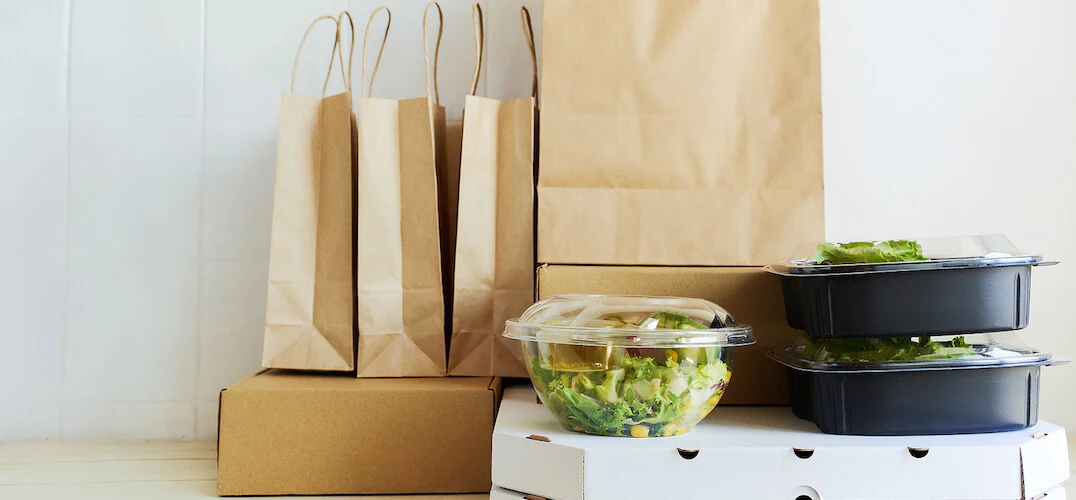
Various materials are used in food packaging, each with its own certification requirements. Common materials include:
- Paper and Cardboard: Often used for dry foods and bakery items. Must be free from harmful inks, adhesives, and coatings.
- Plastics: Widely used for containers, wraps, and bottles. Certification focuses on chemical migration and plasticizer safety.
- Metals: Used for cans and foil. Certification ensures coatings and linings do not leach into food.
- Glass: Naturally inert, but closures and labels must also be evaluated.
Each material type must be assessed for its intended use, as direct-contact packaging faces stricter requirements than secondary or tertiary packaging.
The Certification Process: Steps and Timeline
The journey to achieving a recognized food packaging safety certificate typically involves several steps:
- Application: The packaging manufacturer submits an application to a certifying body, specifying the products and processes to be certified.
- Document Review: Auditors review documentation, including material specifications, supplier certificates, and process controls.
- On-Site Audit: Inspectors visit the manufacturing facility to assess hygiene, equipment, and quality management systems.
- Testing: Samples of packaging materials are tested for compliance with migration limits and other safety criteria.
- Corrective Actions: If issues are found, the manufacturer must address them and provide evidence of correction.
- Certification: Once all requirements are met, a certificate is issued, usually valid for one to three years, with periodic surveillance audits.
The entire process can take several weeks to several months, depending on the complexity of the packaging and the readiness of the manufacturer.
Challenges and Best Practices in Food Packaging Certification
While certification brings many benefits, it also presents challenges. Keeping up with evolving regulations, ensuring supply chain transparency, and managing costs can be demanding. To navigate these challenges, businesses should:
- Stay updated on relevant food safety standards and regulatory changes
- Work closely with suppliers to ensure all materials meet certification requirements
- Implement robust quality management systems
- Invest in staff training and regular internal audits
Adopting these best practices not only streamlines the certification process but also strengthens overall food safety culture within the organization.
Frequently Asked Questions
What types of businesses need food packaging certification?
Any company involved in manufacturing, supplying, or distributing packaging that will come into contact with food should consider obtaining certification. This includes packaging producers, converters, and even food brands that design their own packaging.
How often does packaging certification need to be renewed?
Most certificates are valid for one to three years, depending on the certifying body and standard. Regular surveillance audits and re-certification are required to maintain compliance and address any changes in materials or processes.
Can small businesses afford to get certified?
While the process can involve costs for audits, testing, and documentation, many certifying bodies offer scalable solutions for small and medium enterprises. The investment often pays off by opening new markets and reducing the risk of costly recalls or regulatory issues.
Conclusion
Food packaging safety certification is a vital part of the modern food supply chain. By ensuring that packaging materials and processes meet rigorous safety standards, businesses can protect consumers, comply with regulations, and strengthen their reputation in the marketplace. As food packaging technology continues to evolve, staying informed and proactive about certification will remain essential for anyone involved in the industry.