The safety of chemicals used in packaging that comes into contact with food is a crucial concern for manufacturers, retailers, and consumers alike. As food products travel from production lines to store shelves and finally to our tables, the materials that protect, store, and transport them must meet strict standards to ensure they do not introduce harmful substances. Understanding food-safe packaging chemical safety is essential for anyone involved in the food supply chain, from packaging designers to business owners and end consumers.
This article provides a clear overview of what makes packaging materials suitable for direct food contact, the types of chemicals involved, relevant regulations, and practical steps for ensuring safety. For those interested in specific packaging types, you can also learn more about food-safe packaging wraps and their unique safety considerations.
Understanding Chemical Safety in Food Packaging
The concept of chemical safety in food-safe packaging refers to the careful selection and management of substances that may migrate from packaging into food. Migration can occur when chemicals used in inks, adhesives, plastics, or coatings transfer to the food product, especially under certain conditions such as heat, moisture, or prolonged storage.
Not all chemicals are inherently dangerous, but some can pose health risks if present in significant quantities. The goal of food packaging safety standards is to minimize or eliminate the risk of harmful chemical migration, ensuring that packaging materials are both functional and safe for consumers.

Key Chemicals and Materials in Food Packaging
Various materials are used in packaging, each with its own set of chemical considerations. Here are some of the most common:
- Plastics: Widely used due to their versatility and durability, plastics can contain additives like plasticizers, stabilizers, and colorants. Common concerns include substances such as bisphenol A (BPA) and phthalates, which have been scrutinized for their potential health effects.
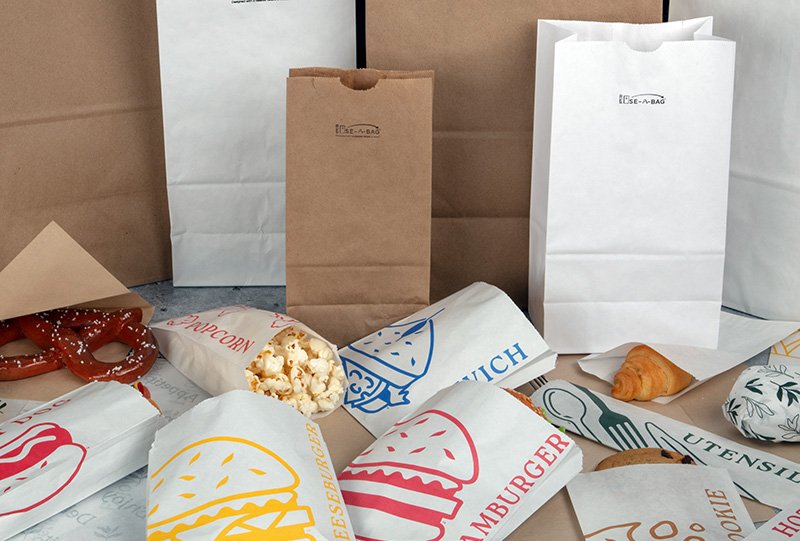
- Papers and Boards: Often used for boxes, wraps, and liners, these materials may be treated with coatings or inks. Some recycled papers might contain residues from previous uses, so sourcing and processing are important for safety.
- Metals: Aluminum and tinplate are used for cans and foils. These are typically coated with food-safe lacquers to prevent metal migration into food.
- Glass: Chemically inert and generally considered safe, glass containers rarely pose a chemical migration risk but may use lids with plastic or rubber seals.
- Adhesives and Inks: Used for labels and sealing, these must be formulated to prevent migration, especially when in direct contact with food.
Regulations Governing Food-Safe Packaging Chemical Safety
Regulatory bodies around the world set standards to control which chemicals can be used in food packaging and at what levels. Compliance with these regulations is non-negotiable for companies that want to sell food products.
- United States: The Food and Drug Administration (FDA) oversees the use of food contact substances. Packaging materials must comply with Title 21 of the Code of Federal Regulations (CFR), which lists approved substances and their conditions of use.
- European Union: The European Food Safety Authority (EFSA) and EU Regulation (EC) No 1935/2004 require that materials do not transfer constituents to food in quantities that could endanger human health.
- Other Regions: Many countries have their own standards, often modeled after FDA or EU guidelines.
In addition to these, industry best practices and voluntary certifications can further demonstrate a commitment to safe packaging. For a comprehensive overview of solutions and compliance, see this complete guide to food-safe packaging solutions.
Testing and Certification for Safe Packaging
Ensuring that packaging is safe for food contact involves rigorous testing. Laboratories assess the potential for chemical migration under conditions that mimic real-world use, such as exposure to heat, acidity, or fat content.
- Migrant Testing: Simulates contact between packaging and food to measure the amount of chemical transfer.
- Material Certification: Suppliers may provide documentation showing that their materials meet regulatory requirements.
- Traceability: Maintaining records of material sources and production batches helps ensure accountability and rapid response if issues arise.
Best Practices for Businesses and Consumers
Both businesses and consumers play a role in maintaining food-safe packaging chemical safety throughout the supply chain.
For Businesses
- Source packaging from reputable suppliers who provide compliance documentation and testing results.
- Stay updated on regulatory changes and industry standards.
- Train staff on proper handling and storage to prevent contamination.
- Consider using packaging specifically designed for your product type, such as food-safe packaging bags for dry goods or snacks.
For Consumers
- Look for packaging labeled as food-safe or compliant with recognized standards.
- Avoid reusing packaging not intended for food contact, especially plastics or printed materials.
- Store food according to manufacturer instructions to minimize chemical migration risks.
Emerging Trends and Innovations in Packaging Safety
The packaging industry is constantly evolving to address new safety challenges and consumer demands. Some of the latest trends include:
- Biodegradable and Compostable Materials: These alternatives are designed to break down safely but must still meet chemical safety standards for food contact.
- Reduced Chemical Additives: Manufacturers are seeking ways to minimize or eliminate potentially hazardous additives without sacrificing performance.
- Smart Packaging: Innovations such as sensors or indicators can help monitor food freshness and packaging integrity.
- Transparency and Traceability: Digital tools allow consumers and businesses to track the origin and composition of packaging materials.
As the industry moves forward, staying informed about new materials and technologies is key to maintaining high standards of safety.
Frequently Asked Questions
What does “food-safe” mean in packaging?
“Food-safe” indicates that the packaging material has been tested and approved for direct contact with food. It means the material will not transfer harmful substances to the food under normal use conditions.
How can I tell if packaging is safe for food contact?
Look for labels or certifications that indicate compliance with FDA, EU, or other recognized standards. Reputable suppliers will provide documentation to verify safety.
Are recycled materials safe for food packaging?
Recycled materials can be used safely if they are processed and tested to meet food contact standards. However, not all recycled materials are suitable, so it’s important to verify their compliance.
Where can I learn more about specific types of food-safe packaging?
For more detailed information, explore resources on food-safe packaging boxes or food-safe packaging liners to understand the unique requirements of different packaging formats.
Ensuring food-safe packaging chemical safety is a shared responsibility. By staying informed and choosing compliant materials, businesses and consumers can help protect public health and maintain trust in the food supply.