Managing serving sizes and ensuring food safety are essential for food businesses, meal prep services, and anyone involved in packaging consumables. Food-safe packaging portion control is a practice that combines the use of certified packaging materials with precise measurement of food quantities. This approach not only protects consumers but also helps businesses maintain consistency, reduce waste, and comply with regulations.
Understanding how to select the right packaging and implement portioning strategies can make a significant difference in product quality, customer satisfaction, and operational efficiency. This article explores the core concepts, benefits, and best practices for effective portion management using safe packaging materials.
For those interested in how packaging impacts user interaction, the article on food-safe packaging user experience provides additional insights into consumer expectations and design considerations.
What Is Portion Control in Food Packaging?
Portion control in the context of food packaging refers to the practice of dividing food into specific, pre-measured amounts before sealing it in containers or wrappers. This process ensures that each package contains a consistent quantity, making it easier to manage nutrition, pricing, and inventory.
When combined with food-safe packaging—materials that do not leach harmful substances and are approved for direct contact with food—portioning becomes a critical aspect of both safety and quality assurance. The right packaging helps preserve freshness, prevent contamination, and maintain the intended serving size until the product reaches the consumer.
Why Food-Safe Packaging Matters for Portion Management
Using certified materials is non-negotiable when it comes to packaging food in controlled portions. Containers, wraps, and films must meet strict safety standards to avoid chemical migration and contamination. The FDA’s guidelines on food ingredients and packaging provide detailed information about what constitutes safe materials for food contact.
There are several reasons why food-safe packaging is essential for portioning:
- Prevents contamination: Only approved materials can guarantee that food remains uncontaminated during storage and transport.
- Maintains freshness: Proper seals and barriers help preserve the intended portion’s quality and shelf life.
- Supports compliance: Meeting regulatory requirements reduces the risk of recalls and legal issues.
- Enhances consumer trust: Visible use of safe, tamper-evident packaging reassures customers about product safety.
Types of Food-Safe Materials Used for Portioning
Selecting the right material is a foundational step in achieving safe and effective portion control. Common options include:
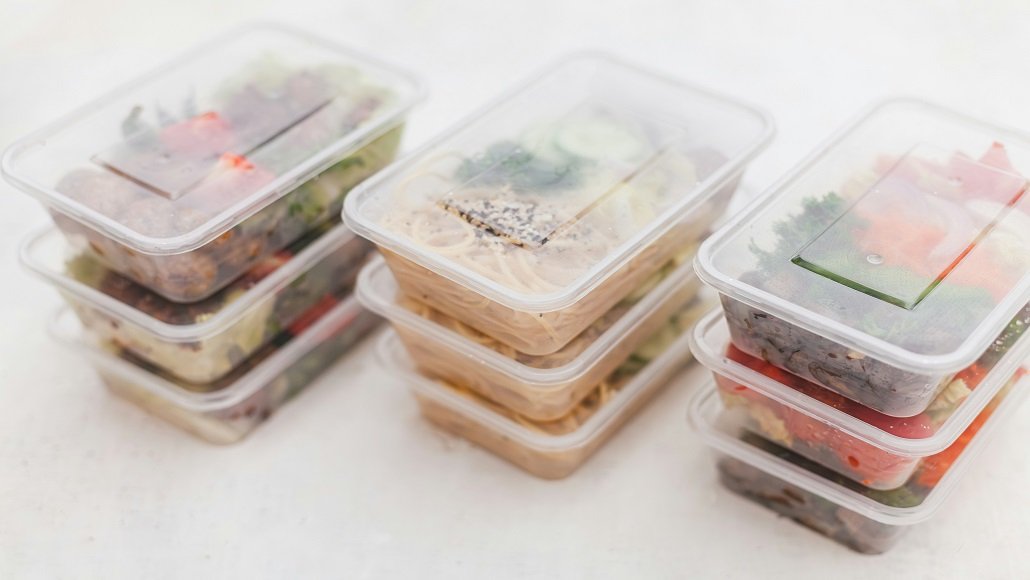
- Plastic containers: Widely used for their durability and transparency, but must be BPA-free and certified for food contact.
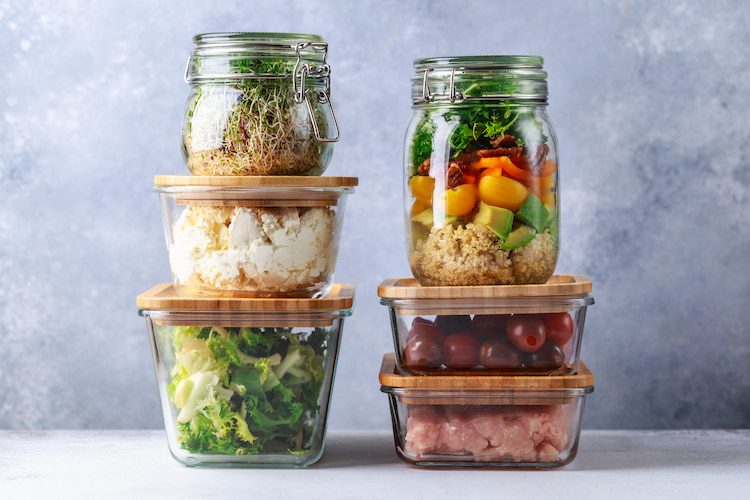
- Glass jars: Non-reactive and reusable, ideal for products that require airtight seals.
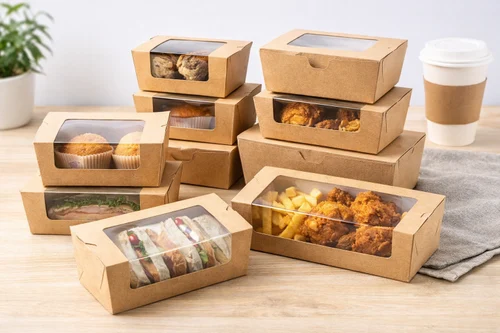
- Paper-based packaging: Often lined with food-safe coatings, suitable for dry goods and eco-conscious brands.
- Aluminum trays: Used for ready-to-eat meals and oven-safe applications, provided they have food-grade linings.
Each material offers unique benefits, but the key is to ensure all packaging is certified for direct food contact and appropriate for the intended portion size.
Best Practices for Portion Control Using Safe Packaging
Implementing effective portioning strategies involves more than just choosing the right containers. Here are some practical steps to optimize your process:
- Standardize serving sizes: Use scales, scoops, or automated dispensers to ensure each package contains the exact intended amount.
- Label portions clearly: Include weight, volume, or serving size information on the packaging to help consumers make informed choices.
- Seal for freshness: Use tamper-evident or vacuum-sealed options to maintain quality and prevent spoilage.
- Monitor compliance: Regularly review packaging suppliers and processes to ensure ongoing adherence to food safety standards.
- Train staff: Ensure all team members understand portioning protocols and the importance of using approved materials.
For businesses interested in innovative packaging solutions, the article on custom food-safe packaging solutions explores how tailored designs can support portioning and branding simultaneously.

Benefits of Effective Portioning with Food-Safe Packaging
Adopting a systematic approach to portion control using safe packaging materials offers several advantages:
- Cost savings: Reduces food waste and helps manage inventory more efficiently.
- Consistent quality: Ensures every customer receives the same amount and quality of product.
- Improved nutrition: Facilitates accurate calorie and nutrient labeling, supporting health-conscious consumers.
- Enhanced brand reputation: Demonstrates a commitment to safety and transparency, which can differentiate your business in a competitive market.
For those interested in the intersection of packaging and branding, the guide on food-safe packaging branding ideas discusses how portioned packaging can reinforce brand messaging and visual identity.
Trends and Innovations in Portion-Controlled Packaging
The food packaging industry is constantly evolving, with new technologies and materials emerging to support safer and more efficient portioning. Some current trends include:
- Eco-friendly materials: Compostable and biodegradable options are gaining popularity, especially for single-serve portions.
- Smart packaging: Incorporating QR codes or sensors to provide freshness indicators and nutritional information.
- Personalization: Custom-printed packaging that aligns with dietary preferences or portion needs.
- Automation: Advanced machinery for precise filling and sealing, reducing human error and increasing throughput.
For a deeper dive into the latest design and technology shifts, the article on food-safe packaging design trends covers emerging ideas that are shaping the future of portioned food products.
FAQ: Portion Control and Food-Safe Packaging
How do I know if my packaging is food-safe?
Look for certifications or documentation from your supplier that confirm the materials are approved for direct food contact. Regulatory bodies like the FDA provide guidelines and lists of safe substances for packaging.
What are the most common mistakes in portioning packaged foods?
Common errors include inconsistent serving sizes, using non-certified packaging, and inadequate sealing. These issues can lead to food waste, spoilage, and potential safety risks.
Can portion-controlled packaging help with calorie management?
Yes, pre-measured servings make it easier for consumers to track calories and nutrients. This is especially valuable for meal prep services, diet programs, and health-conscious brands.
Are there sustainable options for single-serve packaging?
Absolutely. Many suppliers now offer compostable, recyclable, or biodegradable containers that are both safe for food and better for the environment.
For those exploring digital enhancements, digital printing for food-safe packaging can offer flexible solutions for labeling and branding portion-controlled products.
In summary, combining portion management with certified packaging materials is a practical way to ensure food safety, consistency, and customer satisfaction. By staying informed about best practices and industry trends, businesses can deliver high-quality products that meet both regulatory standards and consumer expectations.