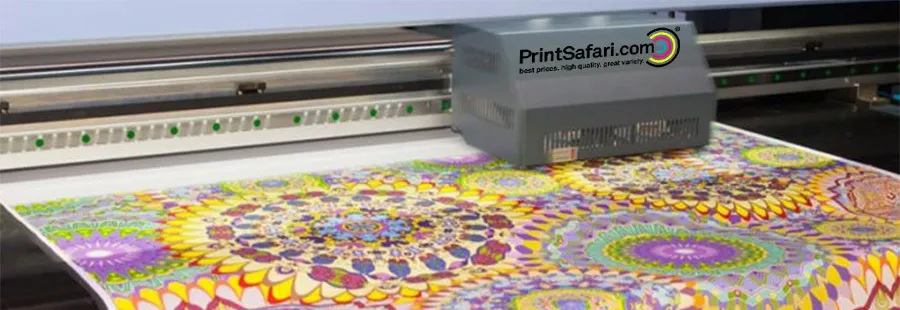
The textile industry is experiencing a significant transformation as artificial intelligence (AI) becomes increasingly integrated into design and production processes. From automating repetitive tasks to generating entirely new creative concepts, AI is reshaping how patterns are conceived, developed, and brought to market. Understanding what is the role of AI in textile pattern design helps industry professionals, designers, and manufacturers stay ahead in a rapidly evolving landscape.
As digital tools and AI-powered systems become more accessible, the boundaries of textile creativity are expanding. These technologies are not only streamlining workflows but also enabling designers to experiment with complex motifs, colorways, and textures that were previously difficult or time-consuming to achieve. For those interested in specialized printing techniques, exploring what is all-over printing in streetwear design can provide further insight into how digital advancements are impacting the industry.
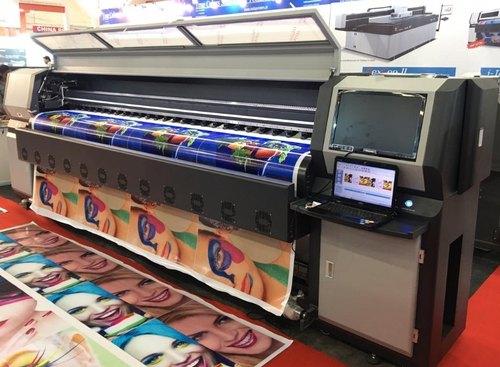
How AI is Transforming Textile Pattern Creation
The integration of AI in textile pattern design is revolutionizing the creative process. Traditionally, pattern development required manual sketching, color selection, and iterative revisions. Now, AI-driven tools can analyze vast databases of existing designs, predict trends, and generate new motifs in seconds. This not only accelerates the design cycle but also introduces a level of innovation that was previously unattainable.
AI algorithms can identify recurring shapes, colors, and styles from historical and contemporary sources, allowing designers to blend classic elements with modern aesthetics. Machine learning models are also capable of suggesting pattern variations based on user preferences, market data, or even environmental factors. This data-driven approach ensures that new collections resonate with target audiences and align with current trends.
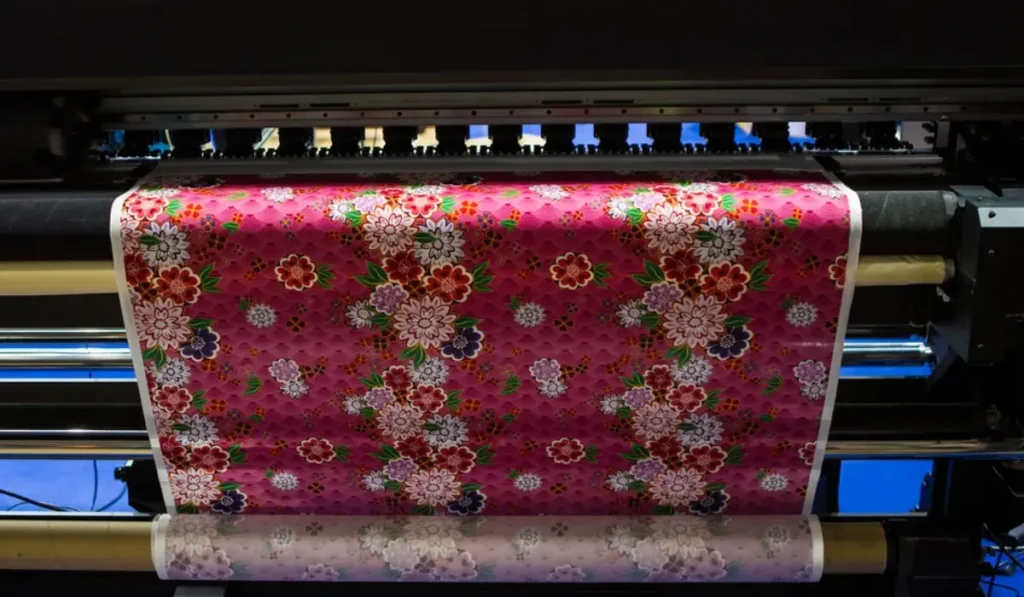
Key Benefits of AI-Driven Pattern Design
Leveraging AI in the development of textile patterns offers several advantages for both designers and manufacturers:
- Speed and Efficiency: Automated generation of patterns reduces the time required for concept development and revision cycles.
- Enhanced Creativity: AI can suggest unexpected combinations of colors, shapes, and textures, inspiring designers to push creative boundaries.
- Customization: AI systems can tailor patterns to specific customer preferences or market segments, supporting personalization at scale.
- Trend Prediction: By analyzing social media, fashion shows, and sales data, AI can forecast emerging trends and guide design decisions.
- Sustainability: Optimized pattern placement and resource management help reduce material waste and energy consumption.
Applications of AI in Textile Innovation
The use of AI extends beyond pattern generation. It is also making a mark in areas such as digital printing, color matching, and production optimization. For example, AI-powered software can analyze fabric properties and recommend the most suitable printing techniques, ensuring vibrant and durable results. Those interested in advanced textile printing methods may find value in learning about what is digital sublimation for athletic wear.
In manufacturing, AI-driven systems monitor production lines, detect defects, and optimize workflows. This not only improves product quality but also minimizes downtime and operational costs. Additionally, AI can assist in inventory management by predicting demand and adjusting production schedules accordingly.
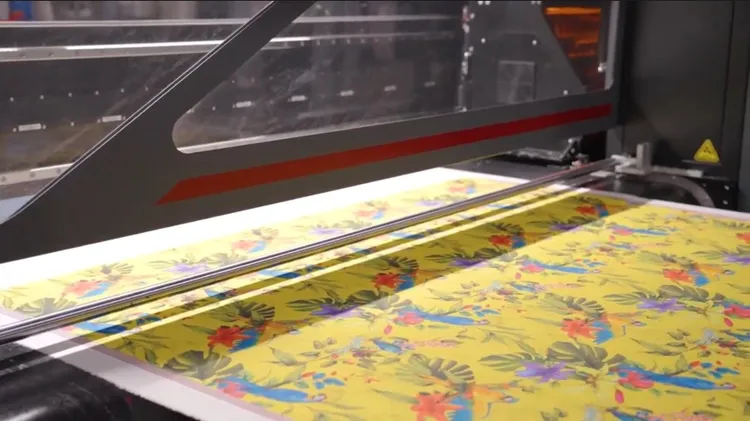
AI and Digital Printing: A Powerful Combination
Digital printing technologies have become more sophisticated with the integration of AI. These systems can automatically adjust print settings based on fabric type, pattern complexity, and color requirements. This ensures consistent quality across different batches and reduces the likelihood of errors.
For a deeper look at how digital printing is contributing to sustainability and efficiency in the textile sector, consider reading this comprehensive overview of digital textile printing and its environmental impact.
AI also enables real-time monitoring and adjustment during the printing process, ensuring that colors remain true to the designer’s vision and that patterns are accurately reproduced. This level of precision is particularly important for high-end fashion, sportswear, and home textiles.
Challenges and Considerations When Using AI in Textile Design
While the benefits of AI are clear, there are also challenges to consider. One key concern is the potential loss of human touch in the creative process. Some designers worry that over-reliance on algorithms could lead to homogenized or less emotionally resonant patterns. Balancing automation with artistic intuition remains essential.
Data privacy and intellectual property are also important considerations. AI models are trained on large datasets, which may include copyrighted designs. Ensuring ethical use of source material and protecting original creations is crucial for maintaining trust and fostering innovation.
Future Trends in AI-Enabled Textile Pattern Development
The future of textile design will likely see even deeper integration of AI, with advancements in generative design, augmented reality, and collaborative platforms. Designers will be able to co-create with AI, using intuitive interfaces that allow for rapid prototyping and real-time feedback.
As AI becomes more adept at understanding cultural, historical, and emotional contexts, the patterns it helps generate will become increasingly nuanced and meaningful. This opens up new possibilities for storytelling through textiles and for connecting with consumers on a deeper level.
Integrating AI with Traditional Techniques
Many successful textile designers are finding ways to blend AI-powered tools with traditional methods. For example, hand-drawn sketches can be digitized and enhanced using machine learning, or vintage motifs can be reimagined with the help of generative algorithms. This hybrid approach preserves the authenticity of handcrafted work while leveraging the efficiency and versatility of digital tools.
For those working with delicate materials, understanding how to adapt new technologies is vital. Resources such as how to print on silk without damaging the fibers offer practical guidance for merging tradition and innovation.
FAQ: AI in Textile Pattern Design
How does AI generate new textile patterns?
AI uses machine learning algorithms trained on large datasets of existing designs, color palettes, and motifs. By analyzing these patterns, AI can create new combinations or entirely original designs based on specific parameters set by the user.
Can AI help predict fashion trends in textiles?
Yes, AI can analyze data from social media, sales reports, and fashion events to identify emerging trends. This information helps designers and manufacturers anticipate market demands and create patterns that are more likely to succeed commercially.
Is it possible to customize textile patterns for individual customers using AI?
Absolutely. AI-powered platforms can generate personalized patterns based on customer preferences, previous purchases, or even uploaded images. This level of customization is becoming increasingly popular in both fashion and interior design.
What are the sustainability benefits of using AI in textile pattern design?
AI can optimize pattern layouts to minimize fabric waste, suggest eco-friendly materials, and streamline production processes. These efficiencies contribute to a more sustainable textile industry by reducing resource consumption and environmental impact.
Conclusion
The integration of artificial intelligence into textile pattern development is opening new doors for creativity, efficiency, and sustainability. By automating routine tasks and providing powerful data-driven insights, AI empowers designers to focus on innovation while meeting the demands of a fast-paced market. As the technology continues to evolve, those who embrace its potential will be well-positioned to lead in the next era of textile design.
For further tips on adapting your designs for different applications, see this resource on tips for designing for different garment sizes.