As sustainability becomes a top priority for both businesses and consumers, the demand for eco-friendly food-safe packaging continues to grow. Companies across the food industry are seeking ways to reduce environmental impact without compromising product safety or freshness. Understanding the materials, certifications, and best practices behind these packaging options is essential for anyone looking to make responsible choices in food service, retail, or manufacturing.
In this article, we’ll break down what makes packaging both environmentally responsible and safe for food contact, explore popular materials and certifications, and offer practical guidance for selecting the best solutions for your needs. If you’re interested in how sustainable practices are transforming other industries, you might also find value in our guide on benefits of micro-factory models for fashion printing.
Understanding the Importance of Sustainable, Food-Safe Packaging
The intersection of sustainability and food safety is more important than ever. Packaging must not only protect food from contamination and spoilage but also minimize harm to the environment. Eco-friendly food-safe packaging achieves this balance by using materials and processes that are safe for direct contact with food while reducing waste, pollution, and resource consumption.
The environmental impact of traditional packaging—such as single-use plastics and non-recyclable materials—has led to increased regulation and consumer awareness. As a result, businesses are turning to alternatives that are compostable, recyclable, or made from renewable resources. However, it’s crucial that these alternatives also meet strict food safety standards to prevent chemical migration, contamination, or compromised product quality.
Key Materials Used in Eco-Conscious Food Packaging
There are several materials commonly used in sustainable packaging for food, each with its own advantages and considerations:
- Plant-Based Plastics (Bioplastics): Derived from renewable sources like corn starch or sugarcane, these materials can be compostable or biodegradable. They’re often used for containers, cutlery, and films.
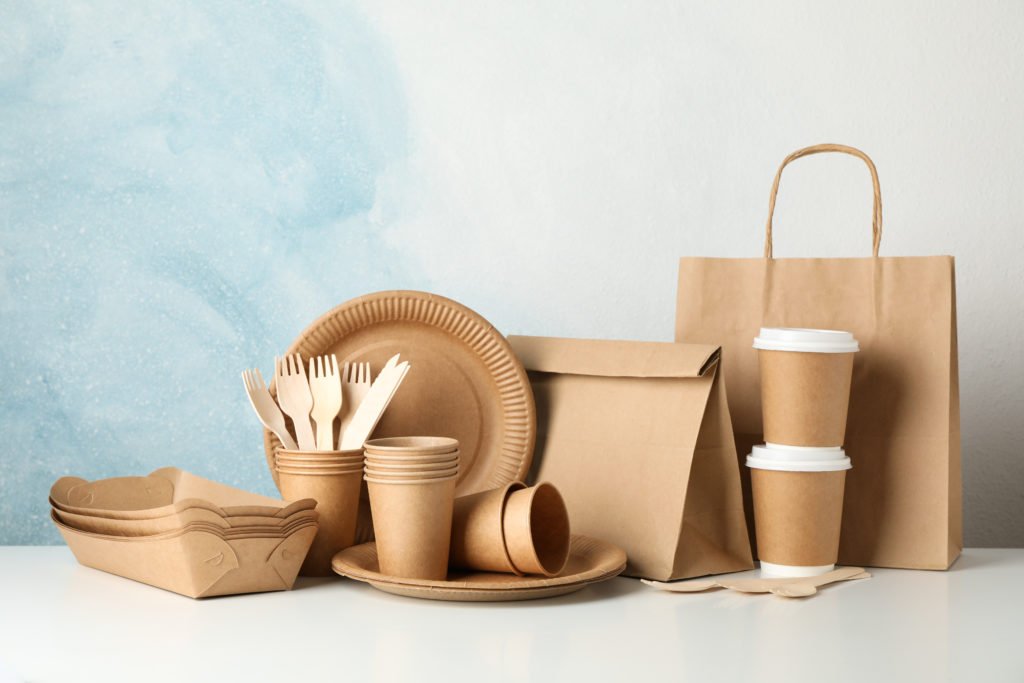
- Paper and Cardboard: Sourced from responsibly managed forests, these materials are widely recyclable and can be coated with food-safe barriers to prevent leaks or grease stains.
- Bagasse and Molded Fiber: Made from agricultural byproducts such as sugarcane pulp, these options are compostable and suitable for plates, bowls, and takeout boxes.
- Glass and Metal: While heavier, these materials are endlessly recyclable and provide excellent protection for products like sauces, beverages, and preserves.

Certifications and Standards for Safe, Green Packaging
Not all packaging labeled as “green” is automatically safe for food contact. To ensure both environmental responsibility and food safety, look for certifications and standards such as:
- FDA Approval: In the United States, food packaging must comply with FDA regulations regarding materials and additives.
- EU Food Contact Materials Regulation: In Europe, packaging must meet standards set by the European Commission for food safety.
- Compostability Certifications: Labels such as ASTM D6400 (USA) or EN 13432 (EU) indicate that a product is industrially compostable.
- Forest Stewardship Council (FSC): This certification ensures paper and cardboard are sourced from responsibly managed forests.
For more details on how to determine if a packaging material is safe for food, you can refer to this comprehensive guide on assessing food-safe packaging materials.
Benefits of Choosing Environmentally Responsible Food Packaging
Adopting eco-friendly food-safe packaging brings a range of advantages for businesses, consumers, and the planet:
- Reduced Environmental Impact: Using compostable, recyclable, or renewable materials helps lower landfill waste and carbon emissions.
- Enhanced Brand Reputation: Companies that prioritize sustainable packaging often attract environmentally conscious customers and strengthen their brand image.
- Regulatory Compliance: Staying ahead of evolving packaging regulations can prevent fines and ensure continued market access.
- Improved Food Safety: Certified materials protect food from contamination, maintaining product quality and consumer trust.
How to Select the Right Eco-Conscious Food Packaging for Your Business
Choosing the best sustainable packaging solution depends on your specific needs, product type, and budget. Here are some practical steps to guide your decision:
- Identify Your Product’s Requirements: Consider whether your food is hot, cold, wet, or greasy. This will influence the type of material and barrier properties needed.
- Evaluate End-of-Life Options: Decide if you want packaging that is compostable, recyclable, or reusable, based on your customers’ disposal habits and local facilities.
- Check for Certifications: Always verify that materials meet food safety and environmental standards relevant to your market.
- Balance Cost and Sustainability: While some eco-friendly options may have a higher upfront cost, they can offer long-term savings through waste reduction and improved brand loyalty.
- Communicate Clearly: Use labels and messaging to inform customers about how to dispose of or recycle the packaging responsibly.
Trends and Innovations in Sustainable Food Packaging
The field of eco-friendly food-safe packaging is rapidly evolving, with new materials and technologies emerging to address both environmental and safety concerns. Some notable trends include:
- Edible Packaging: Innovations in edible films and coatings are providing new ways to reduce waste, especially for single-serve items.
- Smart Packaging: Sensors and indicators can help monitor freshness, reducing food waste and improving safety.
- Minimalist Design: Reducing unnecessary layers and using mono-materials makes recycling easier and cuts down on resource use.
- Upcycled Materials: Some companies are turning agricultural waste or byproducts into functional packaging, further closing the loop on sustainability.
Frequently Asked Questions
What makes packaging both eco-friendly and food-safe?
Packaging is considered both eco-friendly and food-safe when it is made from renewable, recyclable, or compostable materials that do not leach harmful chemicals into food. It must meet regulatory standards for food contact and be designed to minimize environmental impact throughout its lifecycle.
How can I tell if a packaging material is safe for food?
Look for certifications such as FDA approval (in the US), EU food contact compliance, or recognized compostability standards. For more details, consult resources like this guide on food-safe packaging materials.
Are compostable packaging materials always better for the environment?
Compostable materials can offer significant environmental benefits, but their impact depends on proper disposal and access to industrial composting facilities. It’s important to consider the full lifecycle, including sourcing, manufacturing, and end-of-life options, when evaluating sustainability.