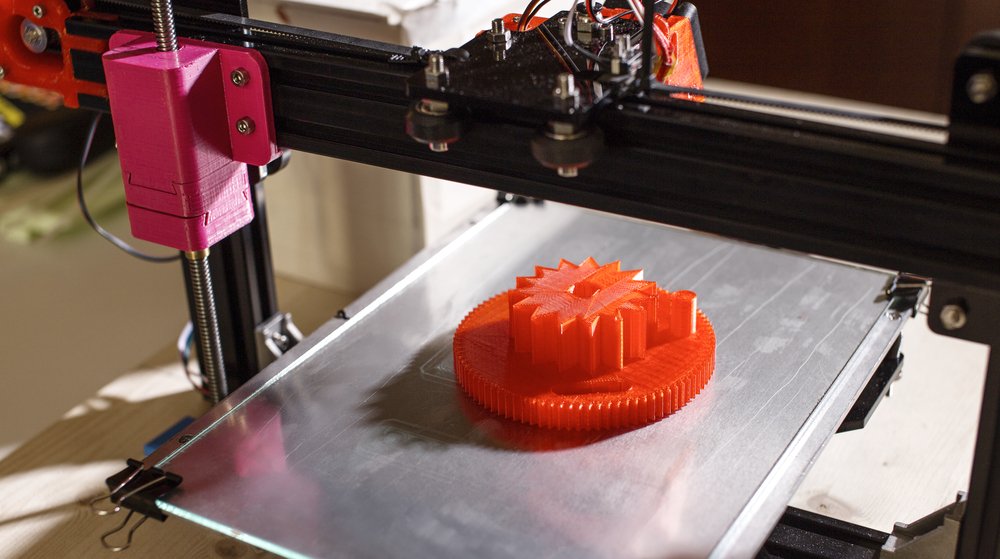
The world of construction is undergoing a transformation with the rise of 3D printed houses. This technology, once limited to rapid prototyping and small-scale manufacturing, is now being applied to create full-scale, livable structures. By using advanced printers and specialized materials, builders can construct homes faster, more affordably, and with less waste than traditional methods.
As interest in sustainable and efficient building grows, additive manufacturing is capturing the attention of architects, engineers, and homeowners alike. The potential to customize designs, reduce labor costs, and minimize environmental impact is driving innovation across the globe. For those curious about how this technology works, resources like this detailed explanation of 3D printing processes provide valuable background.
If you’re interested in other advanced printing techniques, you might also explore what is soft hand feel in garment printing for insights into textile applications.
How Additive Manufacturing Is Shaping Modern Construction
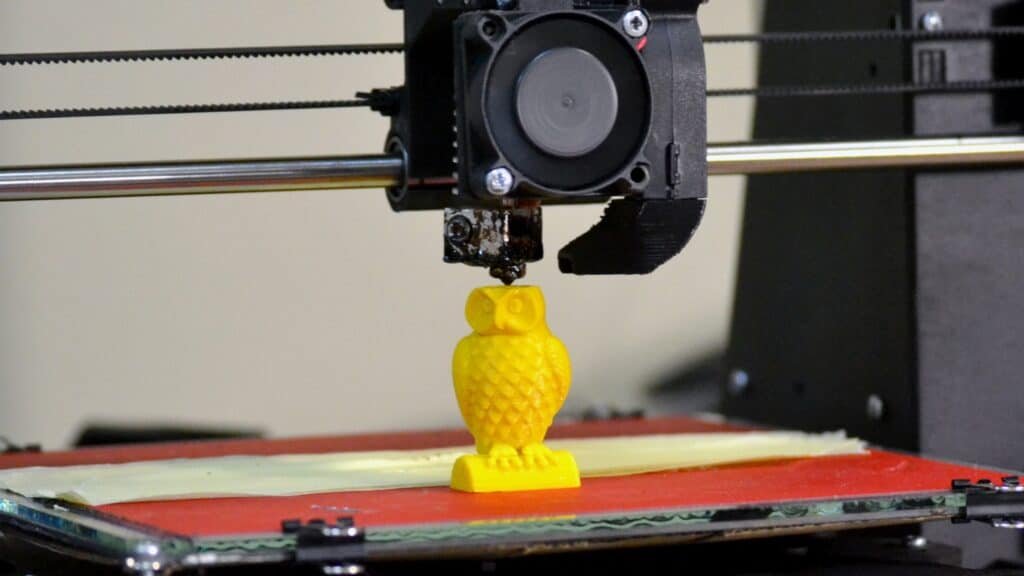
The use of 3D printing in home building is fundamentally changing the construction industry. Unlike traditional methods that rely on manual labor and prefabricated materials, additive manufacturing builds structures layer by layer using computer-guided equipment. This approach allows for greater precision, less material waste, and the ability to create complex shapes that would be difficult or expensive with conventional techniques.
Most residential projects use large-scale printers that extrude a concrete-like mixture. The printer follows a digital blueprint, depositing material in successive layers to form walls and other structural elements. Once the main shell is complete, finishing work such as windows, doors, and utilities is added by skilled tradespeople.
Key Techniques Used in 3D Printed Home Construction
Several innovative methods are being used to create 3D printed homes around the world. Here are some of the most common techniques:
- Concrete Extrusion: The most widely used approach, where a robotic arm or gantry system extrudes a cement-based mixture to build up the structure layer by layer.
- Modular Printing: Components such as walls or panels are printed off-site and then assembled at the building location, speeding up the process and improving quality control.
- Hybrid Construction: Combines additive manufacturing with traditional building methods, such as integrating steel reinforcements or prefabricated elements for added strength and flexibility.
- Eco-Friendly Materials: Some projects experiment with recycled plastics, earth-based mixtures, or other sustainable materials to further reduce environmental impact.
Notable Projects and Real-World Examples
Around the globe, pioneering companies and organizations are pushing the boundaries of what’s possible with 3D printed houses. Some of the most remarkable projects include:
- ICON’s Community in Texas: This American startup has built entire neighborhoods using large-scale printers, providing affordable homes for underserved communities.
- COBOD’s Modular Buildings: In Europe, COBOD’s modular approach has enabled the rapid construction of multi-story buildings, showcasing the scalability of the technology.
- Habitat for Humanity’s Printed Home: The first 3D printed home for a U.S. family was completed in Virginia, demonstrating the potential for non-profits to address housing shortages.
- WASP’s Eco-Friendly Designs: Italian company WASP is experimenting with earth-based materials and circular design principles to create sustainable, low-cost dwellings.
These projects highlight the versatility of additive manufacturing, from single-family homes to multi-unit developments. The ability to quickly adapt designs and use local materials is particularly valuable in regions facing housing crises or natural disasters.
Benefits and Challenges of 3D Printed Home Construction
The advantages of using 3D printing for houses are significant:
- Speed: Construction timelines can be reduced from months to days, enabling rapid response to urgent housing needs.
- Cost Savings: Lower labor requirements and efficient material use can make homes more affordable.
- Design Flexibility: Complex shapes, curves, and custom features are easier to achieve with digital fabrication.
- Sustainability: Reduced waste and the potential for recycled or local materials support greener building practices.
However, there are also challenges to overcome:
- Regulatory Hurdles: Building codes and permitting processes may not yet accommodate new construction methods.
- Material Limitations: While concrete is common, research continues into alternative materials that balance strength, insulation, and sustainability.
- Skilled Labor: Operators and technicians must be trained to manage advanced equipment and software.
- Integration with Traditional Trades: Plumbing, electrical, and finishing work still require coordination with conventional construction professionals.
Future Prospects for 3D Printed Living Spaces
As technology advances, the possibilities for additive manufacturing in housing continue to expand. Researchers are developing new materials that offer better insulation, strength, and environmental performance. Robotics and automation are making the process even more efficient, while digital design tools enable greater customization for homeowners.
In the coming years, we may see entire communities built using these methods, especially in areas where affordable, resilient housing is needed most. The integration of smart home features, renewable energy systems, and modular designs could further enhance the appeal of digitally fabricated homes.
For those interested in the broader impact of digital manufacturing on related industries, exploring the benefits of micro-factory models for fashion printing reveals how similar principles are reshaping other fields.
FAQ: Common Questions About 3D Printed Homes
Are 3D printed houses safe and durable?
Yes, when built to code and using quality materials, these homes can be as strong and long-lasting as those constructed with traditional methods. Many projects undergo rigorous testing to ensure structural integrity and safety.
How much does it cost to build a 3D printed home?
Costs vary depending on size, location, and design complexity, but additive manufacturing can significantly reduce labor and material expenses. Some basic models have been built for under $10,000, though larger or more customized homes will cost more.
Can I design my own 3D printed house?
Many companies offer customizable design options, allowing homeowners to tailor layouts and features to their needs. Digital blueprints can be easily modified before printing begins, making personalization more accessible than ever.
What materials are used in 3D printed home construction?
The most common material is a concrete-based mixture, but some projects use earth, recycled plastics, or other sustainable options. Material choice depends on local availability, climate, and project requirements.
Where can I learn more about 3D printing technology?
For a deeper understanding of the technology behind additive manufacturing, check out this comprehensive guide to how 3D printers work.