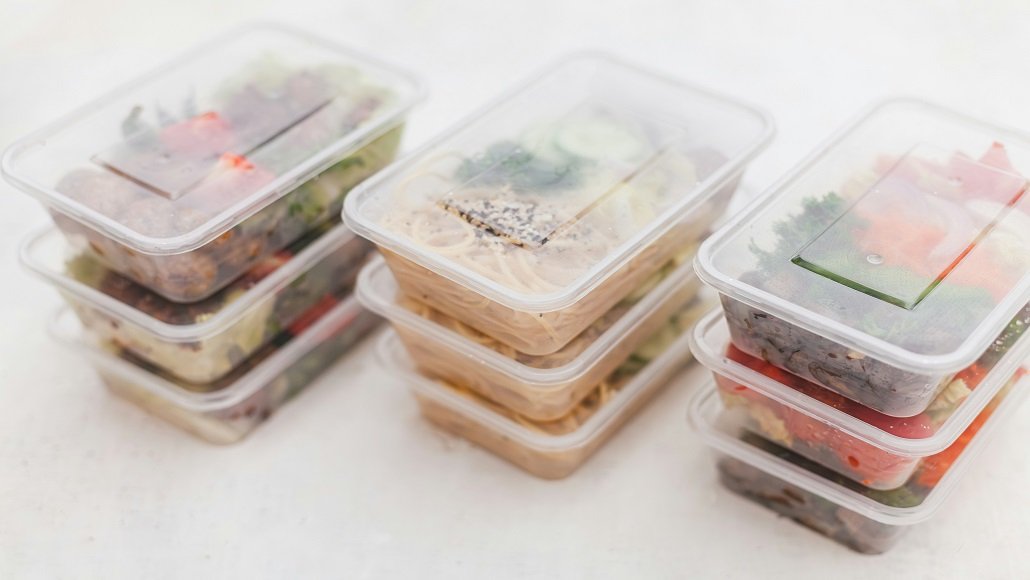
As consumers become increasingly aware of the materials that come into contact with their food, the demand for BPA-free food-safe packaging has surged. Shoppers and manufacturers alike are seeking assurance that packaging is not only durable and effective but also safe for everyday use. Understanding what makes packaging both food-safe and free from bisphenol A (BPA) is essential for anyone involved in food production, distribution, or retail.
This article explores the essentials of food packaging that meets modern safety standards, how BPA-free materials differ from traditional options, and why these choices matter for both health and business. For those interested in other aspects of material safety and quality in manufacturing, you may also want to learn about what is soft hand feel in garment printing and how it impacts product quality.

Understanding the Basics of Food-Safe Packaging
Food-safe packaging refers to materials and containers designed specifically to store, transport, or display food without contaminating it. These materials must meet strict regulatory standards to ensure they do not leach harmful chemicals, alter the taste or smell of food, or harbor bacteria. The concept of food-safe packaging is not new, but the criteria for what qualifies as safe have evolved as new research emerges and consumer expectations change.
Regulatory agencies such as the U.S. Food and Drug Administration (FDA) and the European Food Safety Authority (EFSA) set guidelines for food contact materials. These standards cover everything from plastics and glass to metals and paper. The goal is to minimize the risk of chemical migration from packaging into food, especially when exposed to heat, acidity, or prolonged storage.
What Is BPA and Why Is It a Concern?
Bisphenol A, commonly known as BPA, is a chemical used in the production of certain plastics and resins. For decades, it was a staple in manufacturing food containers, water bottles, and the linings of metal cans. However, studies have shown that BPA can leach into food and beverages, particularly when containers are heated or damaged.
The primary concern with BPA is its potential to disrupt the endocrine system. Research has linked BPA exposure to a range of health issues, including hormonal imbalances, developmental problems in children, and an increased risk of certain cancers. As a result, many countries have restricted or banned BPA in products intended for infants and young children, and consumers are increasingly seeking BPA-free food-safe packaging for all types of food products.
Types of BPA-Free Materials Used in Food Packaging
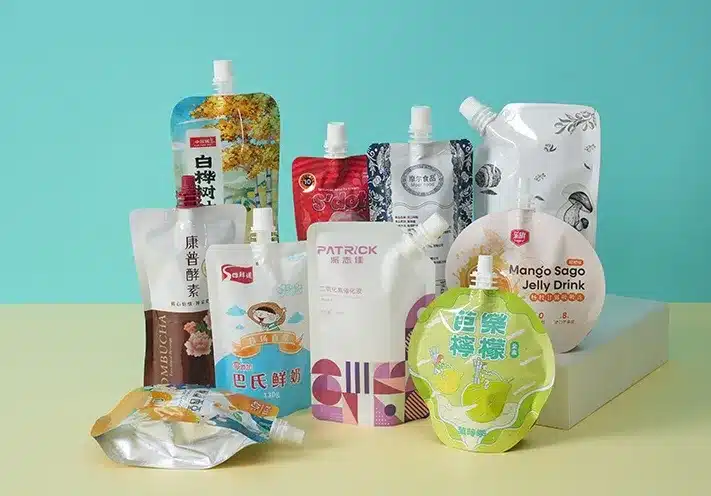
Manufacturers have responded to health concerns by developing a variety of BPA-free food-safe packaging materials. These alternatives are designed to provide the same strength, flexibility, and barrier properties as traditional plastics, without the risks associated with BPA.
- Polyethylene Terephthalate (PET): Widely used for beverage bottles and food containers, PET is lightweight, clear, and does not contain BPA.
- High-Density Polyethylene (HDPE): Common in milk jugs and juice bottles, HDPE is durable and resistant to moisture and chemicals.
- Polypropylene (PP): Used for yogurt cups, microwaveable containers, and closures, PP is heat-resistant and considered safe for food contact.
- Glass: Naturally inert and impermeable, glass is a premium choice for food storage, though heavier and more fragile than plastic.
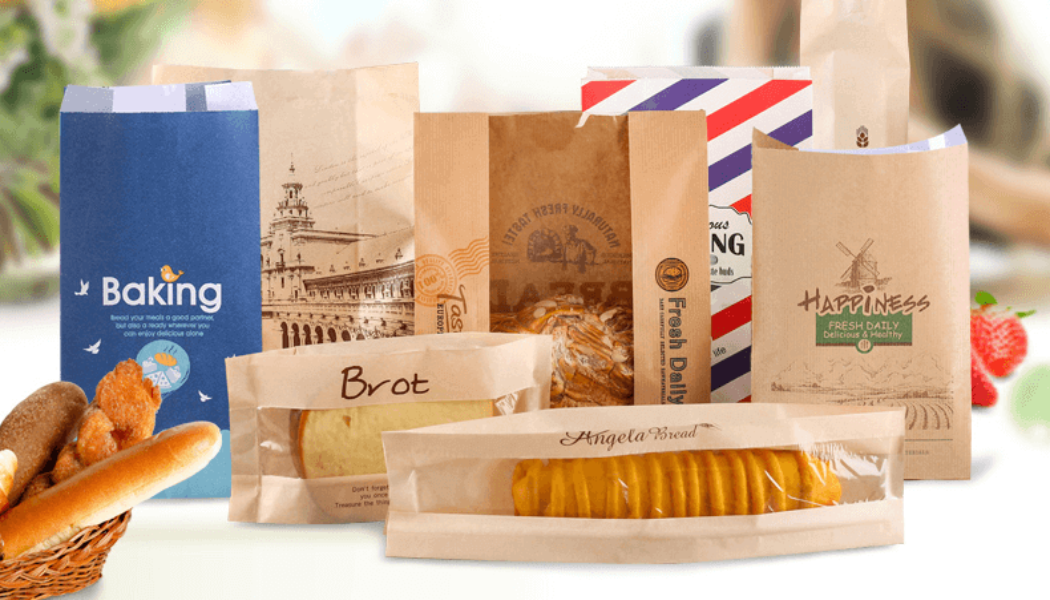
- Paper and Cardboard: When coated with food-safe liners, these materials are popular for dry foods and takeout packaging.
Each material has its own advantages and limitations, but all are designed to meet food safety standards and avoid the use of BPA.
Benefits of Choosing BPA-Free Food-Safe Packaging
Opting for packaging that is both food-safe and free from BPA offers several benefits for consumers and businesses:
- Health Protection: Reduces the risk of chemical exposure and potential health issues linked to BPA.
- Regulatory Compliance: Ensures adherence to evolving food safety laws and regulations worldwide.
- Consumer Trust: Builds brand loyalty by demonstrating a commitment to safety and transparency.
- Environmental Responsibility: Many BPA-free materials are recyclable or biodegradable, supporting sustainability goals.
For a deeper dive into the requirements and standards for food-grade packaging, you can refer to this comprehensive guide to food-grade packaging materials and requirements.
How to Identify BPA-Free and Food-Safe Packaging
With so many options on the market, it can be challenging to determine which packaging is truly safe. Here are some tips for identifying products that meet modern safety standards:
- Look for Certification Labels: Reputable packaging will often display certifications such as FDA approval, EFSA compliance, or symbols indicating food-grade quality.
- Check Recycling Codes: Plastics labeled with recycling codes 1 (PET), 2 (HDPE), 4 (LDPE), and 5 (PP) are generally BPA-free.
- Read Product Descriptions: Manufacturers and retailers should clearly state if a product is BPA-free and suitable for food contact.
- Ask Questions: If in doubt, contact the supplier or manufacturer for detailed information about the materials used.
Staying informed and vigilant helps ensure that the packaging used for food and beverages is both safe and reliable.
Industry Trends and Innovations in Safe Packaging
The packaging industry continues to innovate, driven by consumer demand, regulatory changes, and sustainability goals. Recent trends include the development of plant-based plastics, compostable materials, and advanced barrier technologies that extend shelf life without compromising safety.
Companies are also investing in new manufacturing processes to reduce the environmental impact of packaging. These efforts align with broader movements in manufacturing, such as the benefits of micro-factory models for fashion printing, which emphasize efficiency, waste reduction, and adaptability.
Frequently Asked Questions
What does “BPA-free” mean on food packaging?
“BPA-free” indicates that the packaging does not contain bisphenol A, a chemical linked to potential health risks. Instead, alternative materials are used to ensure the packaging is safe for food contact.
Are all plastics used in food packaging BPA-free?
Not all plastics are free from BPA, but many commonly used food packaging plastics such as PET, HDPE, and PP do not contain this chemical. Always check labels or product descriptions to confirm.
Is BPA-free food-safe packaging recyclable?
Many BPA-free materials, including PET and HDPE, are widely recyclable. However, recyclability depends on local facilities and the specific type of packaging used. Always check recycling codes and local guidelines.
How can I be sure my packaging is safe for food?
Look for certifications, check for food-grade symbols, and review product information provided by manufacturers. When in doubt, reach out to suppliers for documentation on material safety.