3D printing for small businesses is rapidly transforming how entrepreneurs and startups approach product development, manufacturing, and customization. As the technology becomes more accessible and affordable, it opens up new avenues for innovation, efficiency, and growth. Whether you run a creative studio, a retail shop, or a niche manufacturing operation, understanding how additive manufacturing can fit into your business model is increasingly valuable.
This guide explores the practical benefits, common uses, and key considerations for integrating 3D printing into your business. You’ll also find actionable advice, relevant resources, and answers to frequently asked questions to help you make informed decisions about adopting this technology.
For those interested in how advanced printing technologies are shaping other industries, you may want to explore what is the future of smart textiles and printing for additional insights.
Why Additive Manufacturing Matters for Entrepreneurs
The adoption of 3D printing by small businesses is driven by several compelling factors. Unlike traditional manufacturing, which often requires large minimum orders and expensive tooling, additive manufacturing allows for cost-effective prototyping, rapid iteration, and on-demand production. This flexibility is especially valuable for startups and small-scale operations that need to minimize risk and adapt quickly to market changes.
- Lower entry barriers: Desktop 3D printers and affordable materials mean businesses can start with a modest investment.
- Customization: Products can be tailored to individual customer needs without significant extra cost.
- Reduced inventory: On-demand production means less need for warehousing finished goods.
- Faster time-to-market: Rapid prototyping accelerates the design and testing phase, enabling quicker launches.
For a deeper understanding of how this technology works, the Department of Energy explains how 3D printers operate and the science behind additive manufacturing.
Key Applications of 3D Printing for Small Businesses
There are numerous ways small companies can leverage 3D printing technology. Here are some of the most common and impactful uses:
Prototyping and Product Development
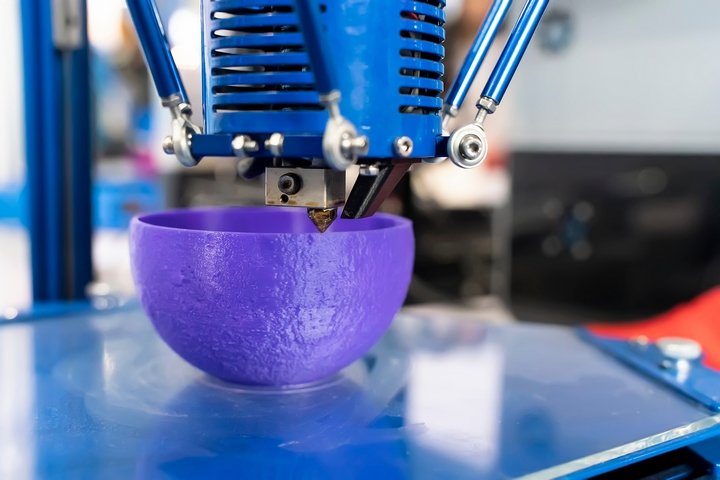
One of the primary uses of 3D printers in small businesses is rapid prototyping. Entrepreneurs can quickly turn digital designs into physical models, test form and function, and refine concepts before committing to mass production. This process saves time and money, while enabling more creative experimentation.
Custom Manufacturing and Short Runs
Small businesses can use 3D printing to produce limited batches of products or even one-off items. This is ideal for companies serving niche markets or offering personalized goods. For example, jewelry designers, home decor brands, and gadget makers can create unique or customized products without the overhead of traditional manufacturing.
Replacement Parts and Tooling
Another practical application is the creation of replacement parts, jigs, and fixtures for internal use. Instead of waiting for suppliers or paying high prices for specialized components, businesses can print what they need in-house. This not only saves money but also reduces downtime and increases operational efficiency.
How to Get Started with 3D Printing in Your Business
Integrating 3D printing into your workflow doesn’t have to be complicated. Here are some steps to help you begin:
- Identify your needs: Determine where additive manufacturing could add the most value—prototyping, production, or internal tools.
- Choose the right printer: Research desktop FDM (fused deposition modeling) or resin printers based on your application and budget.
- Learn the basics: Familiarize yourself with 3D modeling software and file formats such as STL or OBJ.
- Source materials: Select filaments or resins that match your product requirements, considering factors like durability and finish.
- Start small: Begin with simple projects to build confidence and refine your process before scaling up.
If you’re interested in setting up a creative workspace, you might also find value in learning how to set up a small scale fashion printing studio at home, which shares practical tips for organizing and optimizing your production area.
Challenges and Considerations for Small Businesses
While the advantages are significant, there are also challenges to consider when adopting 3D printing:
- Learning curve: Mastering design software and printer operation takes time and practice.
- Material limitations: Not all materials are suitable for every application; some may lack strength or finish quality.
- Speed and scalability: 3D printing is ideal for small batches, but may not be the fastest option for large-scale production.
- Post-processing: Many prints require sanding, painting, or assembly to achieve a finished look.
- Intellectual property: Protecting designs and avoiding infringement is important, especially when sharing files online.
Despite these hurdles, many small businesses find that the benefits far outweigh the drawbacks, especially when the technology is used strategically.
Emerging Trends and Future Opportunities
The landscape of additive manufacturing is evolving quickly. As printers become more advanced and materials more diverse, small businesses will have even greater opportunities to innovate. Some trends to watch include:
- Eco-friendly materials: Biodegradable and recycled filaments are gaining popularity, supporting sustainability goals.
- Hybrid manufacturing: Combining 3D printing with traditional processes for enhanced capabilities.
- Integration with digital workflows: Cloud-based design and remote printing are making collaboration easier.
- Expansion into new industries: Sectors like healthcare, automotive, and fashion are increasingly adopting 3D printing for specialized applications.
For those in fashion or textiles, you may also be interested in exploring how to use digital printing for fashion trend forecasting as a complementary technology to additive manufacturing.
Frequently Asked Questions
What types of products can small businesses create with 3D printing?
Small businesses can produce a wide range of items, including prototypes, custom parts, jewelry, home decor, tools, and promotional products. The versatility of 3D printing makes it suitable for both functional and decorative objects.
Is 3D printing cost-effective for small-scale production?
Yes, for short runs and customized products, additive manufacturing can be more affordable than traditional methods. It eliminates the need for expensive molds and reduces waste, making it ideal for businesses with limited budgets or those targeting niche markets.
What skills are needed to start using 3D printers in a business?
Basic skills include familiarity with 3D modeling software, understanding printer operation, and knowledge of material properties. Many resources and tutorials are available online, and starting with simple projects can help build expertise over time.
Conclusion
Embracing 3D printing for small businesses offers a pathway to greater innovation, flexibility, and competitiveness. By leveraging this technology for prototyping, custom manufacturing, and internal process improvements, entrepreneurs can unlock new growth opportunities while keeping costs manageable. As the ecosystem continues to evolve, staying informed and adaptable will help your business make the most of what additive manufacturing has to offer.