The way food is packaged has a direct impact on both consumer safety and everyday ease. As the demand for ready-to-eat meals, takeout, and grocery delivery rises, food-safe packaging convenience has become a major focus for businesses and consumers alike. Understanding what makes packaging both safe for food and practical for daily use is essential for anyone involved in the food industry, from manufacturers to small business owners and even home cooks.
This article explores the essentials of safe and convenient food packaging, including key materials, regulatory standards, and how these solutions benefit both businesses and end-users. For those interested in tailored options, our guide on custom food-safe packaging solutions offers further insights into creating packaging that meets unique business needs.
Understanding the Importance of Food-Safe Packaging Convenience
At its core, food-safe packaging convenience refers to the balance between protecting food from contamination and making it easy to handle, store, and transport. Safe packaging prevents harmful substances from coming into contact with food, while convenient designs cater to the fast-paced lifestyles of today’s consumers. This dual focus ensures that food reaches the consumer in optimal condition, with minimal risk and maximum usability.
The right packaging can extend shelf life, preserve freshness, and reduce food waste. For businesses, it also means fewer recalls and stronger customer trust. For consumers, it translates to peace of mind and a better overall experience.
Key Features That Define Safe and Convenient Food Packaging
Not all packaging is created equal. To be considered both safe and convenient, food packaging should meet several important criteria:
- Material Safety: Only materials approved for food contact should be used. This includes certain plastics, glass, metals, and papers that do not leach harmful chemicals into food.
- Seal Integrity: Packaging must prevent leaks and contamination, keeping food fresh and protected from external elements.
- Ease of Use: Features like resealable closures, easy-open tabs, and portion control make packaging more user-friendly.
- Clear Labeling: Information about allergens, expiration dates, and storage instructions should be easy to find and read.
- Sustainability: Eco-friendly options are increasingly important, offering convenience without sacrificing environmental responsibility.
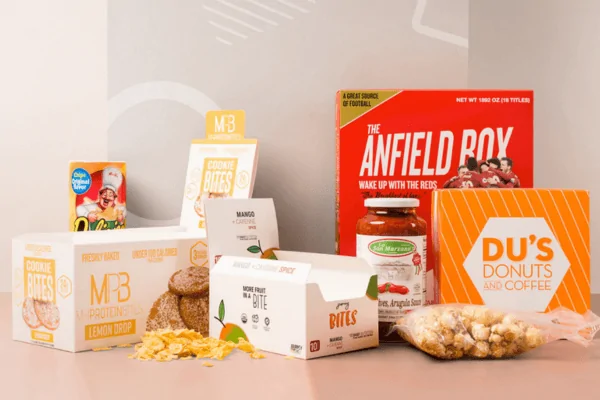
Popular Materials Used for Safe and Convenient Food Packaging
The materials chosen for packaging play a crucial role in both safety and practicality. Here are some commonly used options:
- Plastics: Certain plastics, such as PET and polypropylene, are widely used due to their durability, clarity, and resistance to moisture. They are lightweight and can be molded into various shapes for convenience.
- Paper and Cardboard: Often used for dry foods, bakery items, and takeout containers, these materials are biodegradable and can be coated for added protection.
- Glass: Ideal for products that require a strong barrier against oxygen and moisture, glass is non-reactive and reusable.
- Metals: Aluminum and tin are used for cans and foil wraps, providing excellent protection and recyclability.
For a deeper dive into which plastics are best suited for food containers, you can refer to this comprehensive guide to food-grade packaging materials and requirements.

How Regulations Shape Food Packaging Safety and Convenience
Regulatory agencies such as the FDA in the United States and EFSA in Europe set strict guidelines for food packaging. These rules ensure that materials do not pose health risks and that packaging is labeled accurately. Compliance is not optional; it is a legal requirement for any business involved in food production or distribution.
Regulations also encourage innovation in packaging design, pushing manufacturers to develop solutions that are both safe and easy to use. For small businesses, understanding these requirements is crucial. Our article on food-safe packaging for small businesses provides practical advice for navigating these standards.
Benefits of Convenient and Safe Food Packaging for Businesses
Investing in packaging that meets both safety and convenience standards offers several advantages:
- Brand Trust: Customers are more likely to return to brands that prioritize their health and make their lives easier.
- Reduced Waste: Resealable and portion-controlled packaging helps minimize food spoilage and waste.
- Operational Efficiency: Easy-to-handle packaging streamlines storage, shipping, and display processes.
- Compliance: Meeting regulatory requirements reduces the risk of costly recalls or legal issues.
For businesses looking to enhance their packaging, exploring digital printing for food-safe packaging can offer customization and branding opportunities while maintaining compliance.
Consumer Advantages: Why Convenient Food Packaging Matters
From the consumer’s perspective, packaging that is both safe and easy to use offers several clear benefits:
- Health Protection: Proper packaging prevents contamination and preserves food quality.
- Time Savings: Ready-to-eat and easy-to-open packages fit busy schedules.
- Portability: Lightweight, resealable containers make it simple to take meals on the go.
- Clear Information: Transparent labeling helps consumers make informed choices about what they eat.
Emerging Trends in Food Packaging for Safety and Ease
The packaging industry is constantly evolving to meet changing consumer preferences and regulatory demands. Some current trends include:
- Sustainable Materials: Biodegradable and compostable options are gaining popularity as consumers seek eco-friendly choices.
- Smart Packaging: Technologies like freshness indicators and QR codes provide real-time information about product quality and traceability.
- Minimalist Design: Simple, clutter-free packaging enhances usability and reduces material waste.
- Enhanced Hygiene: Single-use and tamper-evident features address concerns about contamination, especially in the wake of global health events.
For more on maintaining cleanliness and safety in packaging, see our resource on food-safe packaging hygiene.
Comparing Food-Safe and Non-Food-Safe Packaging
It’s important to distinguish between packaging designed specifically for food and other types of containers. Using non-food-safe materials can lead to contamination, spoilage, and health risks. For a detailed comparison, our article on food-safe packaging vs non-food-safe packaging breaks down the differences and explains why compliance matters.
Frequently Asked Questions
What makes packaging food-safe?
Packaging is considered food-safe when it is made from materials that do not transfer harmful chemicals or substances to the food. It must also be manufactured and handled in a way that prevents contamination throughout the supply chain.
How can I tell if packaging is convenient for consumers?
Convenient packaging typically features easy-open mechanisms, resealable closures, clear labeling, and is lightweight or portable. Feedback from customers and usability testing can help determine if packaging meets these criteria.
Are sustainable packaging options also food-safe?
Yes, many sustainable materials are designed to be both environmentally friendly and safe for food contact. However, it’s important to verify that any eco-friendly packaging meets all relevant food safety regulations before use.