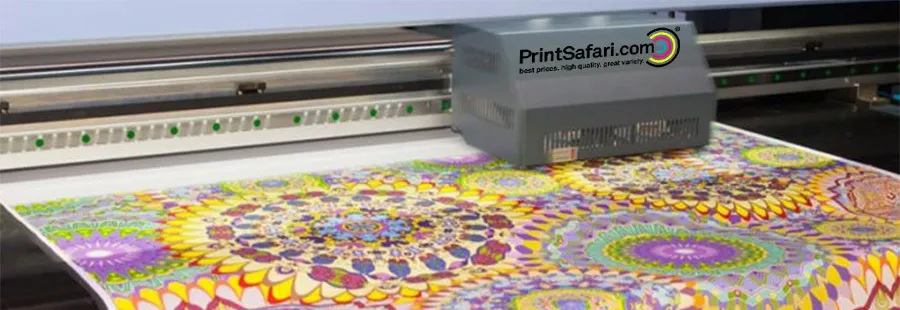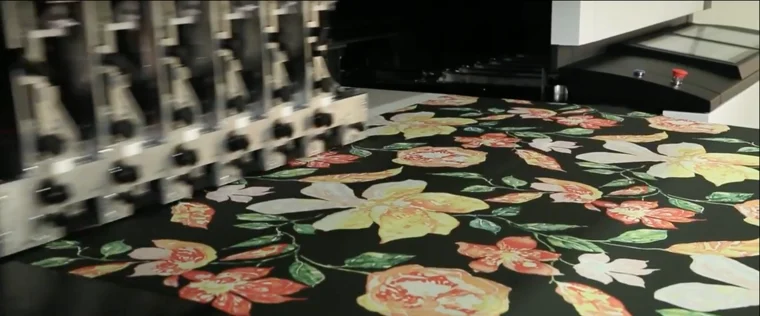
The world of fashion printing is constantly evolving, with designers and brands seeking new ways to make garments stand out. One of the most exciting developments in textile decoration is the use of specialty inks. These advanced formulations, including neon and glow-in-the-dark options, allow for eye-catching effects that go far beyond traditional printing methods. Understanding what is specialty ink for the fashion industry can help brands, print shops, and creatives unlock new possibilities for apparel design and branding.
Specialty inks are engineered to deliver unique visual or tactile effects, such as vibrant fluorescence, luminescence, metallic shimmer, or textured finishes. They are widely used in screen printing, digital textile printing, and hybrid processes to create garments that capture attention on the runway, in retail, and even under special lighting conditions.
For those interested in the tactile qualities of printed garments, learning about what is soft hand feel in garment printing can further expand your understanding of modern textile decoration techniques.
Understanding Specialty Inks in Apparel Printing
Specialty inks are a category of textile inks formulated to achieve effects that standard inks cannot. While conventional inks focus on color accuracy and durability, specialty options are designed for visual impact, interactivity, and enhanced branding. These inks can be used in both manual and automated printing processes, including screen printing and digital textile printing.
Some of the most popular types of specialty inks include:
- Neon inks (fluorescent): Deliver ultra-bright, high-visibility colors that glow under UV or black light.
- Glow-in-the-dark inks: Absorb light and emit a luminous glow in darkness, perfect for nightwear or event apparel.
- Metallic inks: Contain fine metallic particles for a shiny, reflective finish.
- Puff and high-density inks: Create raised, textured prints for tactile effects.
- Glitter and shimmer inks: Add sparkle and shine to designs.
The choice of ink depends on the desired effect, garment material, and intended use. For instance, neon and glow effects are especially popular in sportswear, festival fashion, and promotional apparel.
Neon and Glow Effects: How They Work
Among all specialty inks, neon and glow-in-the-dark formulations are particularly sought after for their ability to transform ordinary garments into statement pieces. Here’s how each type works:
Neon (Fluorescent) Inks
Neon inks are formulated with fluorescent pigments that reflect more visible light than conventional colors. This results in extremely vivid hues that appear to “pop” off the fabric, especially under UV or black light. Neon inks are available in a range of colors, including yellow, green, pink, orange, and blue. Their high visibility makes them ideal for safety gear, activewear, and fashion collections targeting younger demographics.
Glow-in-the-Dark Inks
Glow-in-the-dark inks contain phosphorescent compounds that absorb and store energy from ambient light. When the lights go out, these inks emit a soft green or blue glow. The effect is temporary but can be recharged by exposing the garment to light again. This type of ink is used for novelty apparel, children’s clothing, and event merchandise where a surprise element is desired.
Applications and Benefits of Specialty Inks in Fashion
Using specialty inks in garment printing opens up a world of creative and commercial opportunities. Here are some key applications and advantages:
- Brand Differentiation: Unique ink effects help brands stand out in a crowded market.
- Event and Promotional Apparel: Neon and glow prints are popular for concerts, festivals, and sports events.
- Safety and Visibility: Fluorescent inks are used for high-visibility workwear and athletic clothing.
- Fashion Innovation: Designers use specialty inks to experiment with new textures, colors, and interactive elements.
- Customization: Short runs and personalized designs are possible with digital printing and specialty inks.
For brands considering a shift to on-demand or small-batch production, exploring the benefits of micro-factory models for fashion printing can complement the use of specialty inks by enabling rapid prototyping and limited-edition drops.
Printing Technologies for Specialty Inks
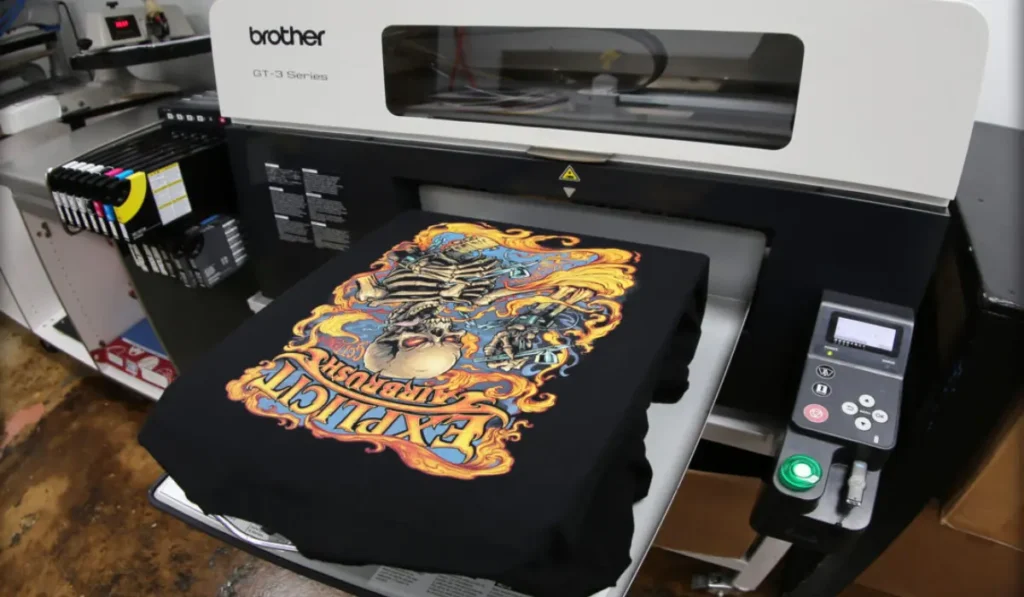
The application of specialty inks depends on the printing technology used. Traditionally, screen printing has been the go-to method for applying thick, textured, or effect inks. However, advances in digital textile printing have made it possible to use some specialty formulations in high-resolution, full-color designs.
Key printing methods include:
- Screen Printing: Best for bold, opaque, and textured effects. Suitable for neon, glow, metallic, and puff inks.
- Digital Printing: Enables detailed, multi-color designs. Some specialty inks, like neons, are now available for digital platforms.
- Hybrid Printing: Combines digital and screen techniques for complex effects and efficient production.
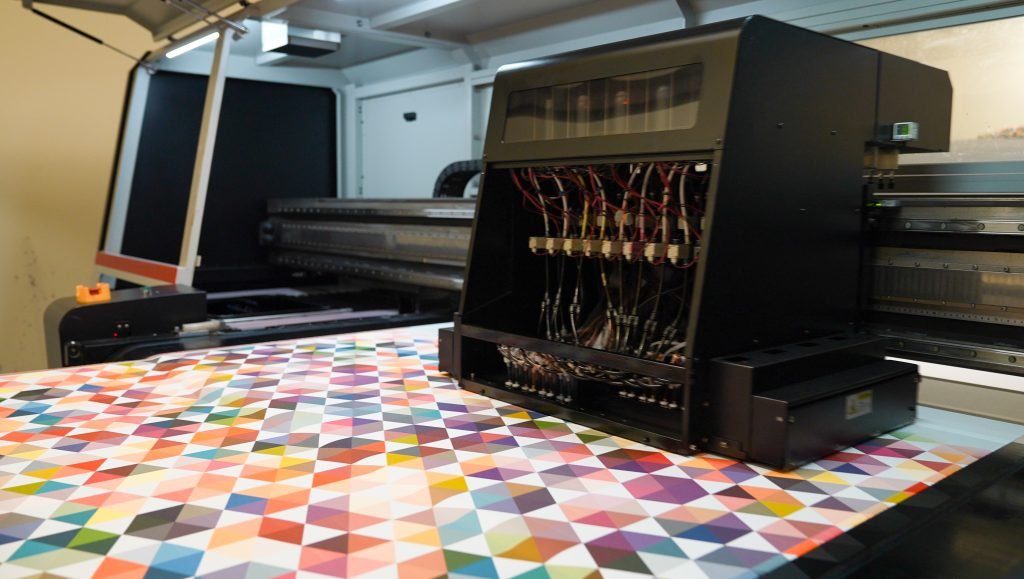
Choosing the right method depends on the fabric, design complexity, and production volume. For large-scale projects, understanding what is wide format dye sub for apparel can also be valuable, especially when combining specialty inks with sublimation techniques.
Challenges and Considerations When Using Specialty Inks
While specialty inks offer many advantages, they also present unique challenges:
- Compatibility: Not all specialty inks work on every fabric type. Testing is crucial, especially with synthetics or blends.
- Durability: Some effects, like glow or glitter, may require special care during washing and handling.
- Cost: Specialty inks are typically more expensive than standard inks, and may increase production costs.
- Production Complexity: Achieving consistent results may require adjustments in curing, mesh selection, and ink layering.
Proper setup and quality control are essential for achieving the desired effect and maintaining garment longevity. For those managing print shops, knowing how to remove ghost images from printing screens can help maintain print quality when switching between specialty and standard inks.
Frequently Asked Questions
Are specialty inks safe for all types of garments?
Most specialty inks are formulated to be safe and compliant with industry standards. However, it’s important to check compatibility with specific fabrics and ensure that inks meet safety regulations for children’s wear or skin contact.
Can specialty inks be used with digital printing?
While traditional screen printing is still the primary method for many specialty effects, advances in digital technology have made it possible to use certain specialty inks—such as neons—on digital platforms. Always verify with your ink supplier and printer manufacturer for compatibility.
How should garments printed with glow or neon inks be cared for?
To preserve the vibrancy and effect of specialty prints, it’s best to wash garments inside out in cold water and avoid harsh detergents or bleach. Air drying is recommended to extend the life of the print.
What are some creative uses for specialty inks in fashion?
Designers use specialty inks for statement graphics, interactive elements (like glow-in-the-dark logos), festival and event merchandise, and high-visibility sportswear. The possibilities are limited only by imagination and technical constraints.
Conclusion
Specialty inks have become a powerful tool for innovation in the fashion industry, enabling designers and brands to create garments that are visually striking, interactive, and memorable. Whether you’re interested in neon brights, glow-in-the-dark effects, or other unique finishes, understanding the properties and applications of these inks can help you make informed decisions for your next apparel project. As printing technologies continue to advance, the range of creative possibilities will only expand, making specialty inks an essential part of modern garment decoration.