Wide format dye sublimation has become a cornerstone technology in the world of custom garment decoration and fashion production. As demand for vibrant, all-over prints and rapid turnaround grows, many apparel brands and print shops are turning to this advanced process. But what is wide format dye sub for apparel, and how does it differ from other textile printing methods? This guide explores the fundamentals, benefits, and practical considerations of using wide format dye sublimation for large-scale garment production.
Whether you’re a designer, print provider, or apparel entrepreneur, understanding this technology can help you deliver high-quality, durable, and visually stunning products. For those interested in the tactile qualities of printed garments, you may also want to learn about what is soft hand feel in garment printing and how it relates to different printing methods.
Understanding Wide Format Dye Sublimation Printing
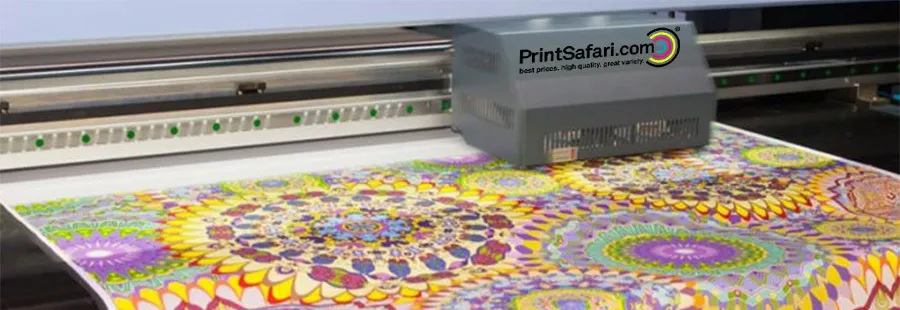
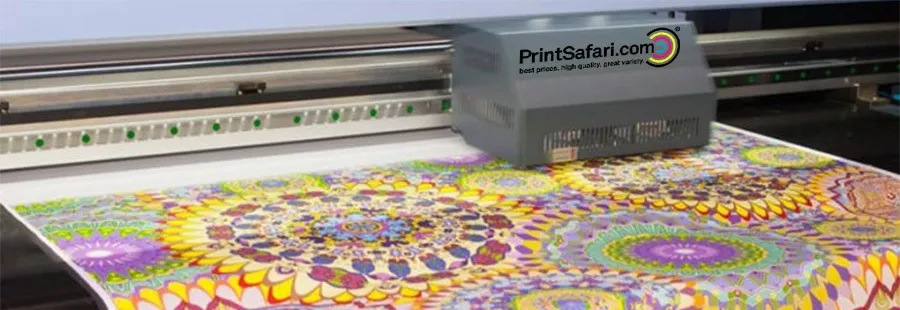
At its core, wide format dye sub for apparel is a digital printing process that uses heat and pressure to transfer dye onto polyester fabrics. The term “wide format” refers to printers that can handle large rolls of transfer paper and fabric, typically 44 inches wide or more. This enables the production of oversized graphics, seamless all-over prints, and full-bleed designs that cover entire garments or fabric panels.
The process involves printing a mirrored image onto special transfer paper using dye-sublimation inks. The printed paper is then placed onto the fabric, and both are run through a heat press or calender. Under high temperature (usually 350–400°F), the dye turns into a gas and bonds with the polyester fibers at a molecular level. The result is a permanent, vibrant image that won’t crack, peel, or fade with washing.
Key Advantages of Large-Scale Dye Sublimation for Garments
There are several reasons why apparel manufacturers and decorators choose wide format dye sub over other printing methods:
- Vivid, Photorealistic Colors: Dye sublimation produces exceptionally bright and detailed prints, making it ideal for fashion, sportswear, and promotional apparel.
- All-Over Printing: The ability to print edge-to-edge on large panels allows for seamless designs that wrap around the entire garment.
- Durability: Since the dye becomes part of the fabric, prints are resistant to fading, cracking, and peeling, even after repeated washing.
- Soft Hand Feel: The process leaves no additional layer on top of the fabric, resulting in a smooth, soft finish that is comfortable to wear.
- Short Runs and Customization: Digital workflow enables cost-effective production of small batches, prototypes, or personalized items without the need for screens or plates.
These benefits make wide format dye sub especially popular for activewear, team uniforms, fashion lines, and custom merchandise.
How the Process Works: From Design to Finished Garment
The workflow for large-scale dye sublimation in apparel typically includes the following steps:
- Design Creation: Artwork is prepared digitally, often using vector graphics or high-resolution images. Designers must account for garment templates and seam placement.
- Printing the Transfer: The design is printed in reverse onto dye sub transfer paper using a wide format printer loaded with sublimation inks.
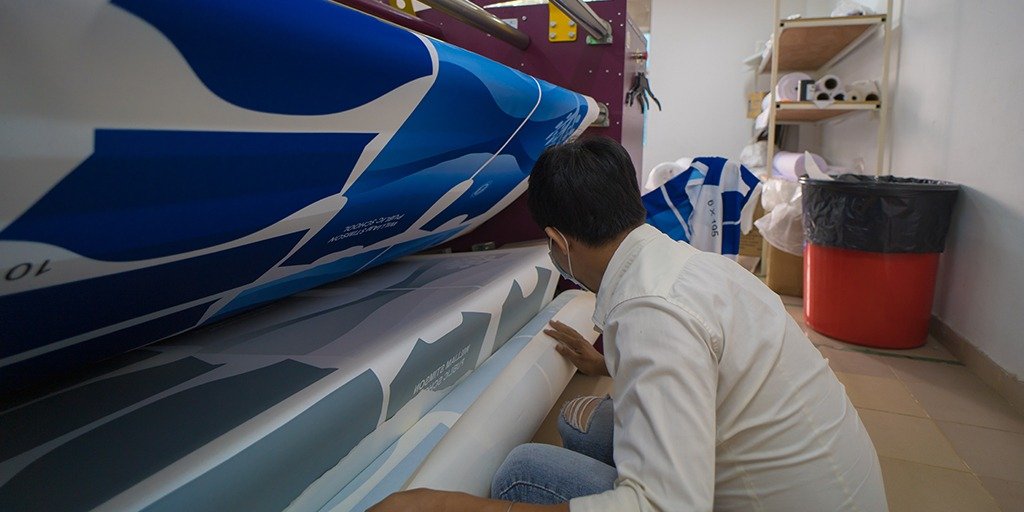
- Heat Transfer: The printed paper and polyester fabric are aligned and fed through a heat press or rotary calender, where heat and pressure transfer the dye into the fabric.
- Cutting and Sewing: Once the fabric is printed, it is cut according to garment patterns and sewn into finished products.
This process is highly efficient for both short and long runs, with minimal setup time compared to traditional screen printing.

Comparing Wide Format Dye Sublimation to Other Apparel Printing Methods
When considering wide format dye sub for apparel, it’s helpful to compare it to other popular garment printing techniques:
| Method | Best For | Pros | Cons |
|---|---|---|---|
| Dye Sublimation | Polyester garments, all-over prints | Vivid color, soft feel, durable, no setup for short runs | Only works on light polyester, not suitable for cotton |
| Screen Printing | Large runs, cotton or blends | Works on many fabrics, cost-effective for volume | Limited color range, setup costs, not ideal for photo prints |
| DTG (Direct to Garment) | Small runs, cotton t-shirts | Full color, no minimums, works on cotton | Slower for large runs, not as durable as dye sub |
Each method has its place, but for polyester-based, full-coverage designs, dye sublimation stands out for its quality and efficiency.
Applications and Use Cases in the Apparel Industry
Wide format dye sublimation is used across a variety of apparel segments:
- Sportswear: Team jerseys, leggings, and performance tops benefit from the process’s durability and moisture-wicking properties.
- Fashion: Designers use it for bold patterns, photographic prints, and limited-edition collections.
- Promotional Apparel: Custom t-shirts, polos, and branded merchandise are produced quickly and cost-effectively.
- Swimwear and Activewear: The technology’s ability to print on stretch polyester makes it ideal for these markets.
With the rise of on-demand production and micro-factories, dye sublimation is also enabling new business models and faster response to fashion trends. For more on these trends, see the benefits of micro-factory models for fashion printing.
Limitations and Considerations
While wide format dye sub offers many advantages, there are some important limitations:
- Fabric Compatibility: The process works best on polyester or polyester-coated fabrics. It is not suitable for cotton or dark-colored natural fibers.
- Color Limitations: Sublimation is most vibrant on white or light-colored materials. Printing on dark fabrics is not possible with this method.
- Initial Investment: Wide format printers, heat presses, and calenders require significant upfront costs, though they pay off with high-volume production.
Understanding these factors will help you determine if this technology is the right fit for your apparel business.
Best Practices for Successful Dye Sublimation Printing
To get the most out of large-scale dye sublimation, consider these tips:
- Use High-Quality Artwork: Start with high-resolution images and vector graphics for sharp, detailed prints.
- Choose the Right Fabric: Select polyester fabrics specifically designed for sublimation to ensure optimal color transfer and durability.
- Maintain Equipment: Regularly clean print heads, check color calibration, and monitor heat press temperatures for consistent results.
- Test and Sample: Always run test prints and fabric samples before full production to catch any issues early.
For a deeper dive into digital textile printing, you can explore how digital textile printing works in detail.
Frequently Asked Questions
What types of garments are best suited for wide format dye sublimation?
This process is ideal for polyester-based apparel such as sportswear, activewear, swimwear, and fashion items that require all-over prints or vibrant graphics.
Can dye sublimation be used on cotton or dark fabrics?
No, dye sublimation works only on polyester or polyester-coated materials and is most effective on white or light-colored fabrics. For cotton or dark garments, other printing methods like screen printing or DTG are recommended.
How does dye sublimation compare to screen printing for large orders?
For large orders of polyester garments with complex or full-color designs, dye sublimation offers faster setup, more vivid colors, and a softer feel. Screen printing is better suited for cotton fabrics and simple, high-volume designs with limited colors.
Is the print durable and safe for frequent washing?
Yes, because the dye bonds with the fibers, the print is highly durable and resistant to fading, cracking, or peeling, even after many washes.
Conclusion
Wide format dye sublimation has transformed how apparel is designed and produced, enabling vibrant, durable, and fully customized garments at scale. By understanding the process, its advantages, and its limitations, brands and print providers can make informed decisions and deliver products that stand out in a competitive market.