The dental industry is experiencing a rapid transformation, driven by the adoption of dental 3D printing solutions. These advanced technologies are reshaping how dental professionals approach everything from prosthetics to surgical guides. By leveraging digital workflows and additive manufacturing, clinics and labs can now deliver highly precise, customized, and efficient care to patients.
As the demand for faster turnaround times and better patient outcomes grows, embracing 3D printing has become a strategic advantage. This article explores the core benefits, applications, and future trends of 3D printing in dentistry, providing a clear overview for practitioners, lab technicians, and anyone interested in the intersection of technology and oral health.
For those interested in related innovations in printing, you may want to read about what is soft hand feel in garment printing and how advanced materials are influencing various industries.
How 3D Printing Is Transforming Dental Practices
The integration of additive manufacturing in dental workflows has led to significant improvements in both accuracy and efficiency. Traditional methods for producing crowns, bridges, and aligners often involve multiple manual steps, which can introduce errors and extend delivery times. In contrast, digital design and 3D printing streamline the process from impression to final product.
With the help of intraoral scanners and CAD software, dental professionals can create digital models of a patient’s mouth. These models are then used to fabricate precise restorations or appliances using 3D printers. This digital workflow reduces the risk of human error, ensures a better fit, and allows for rapid prototyping and adjustments.
Key Benefits of Advanced Dental 3D Printing Solutions
The adoption of 3D printing in dentistry brings a range of advantages that benefit both practitioners and patients. Here are some of the most impactful benefits:
- Customization: Each restoration or appliance can be tailored to the unique anatomy of the patient, resulting in improved comfort and function.
- Speed: Digital workflows and rapid prototyping significantly reduce turnaround times, enabling same-day or next-day delivery for many dental devices.
- Precision: Additive manufacturing produces highly accurate models, minimizing the need for manual adjustments and remakes.
- Material Variety: Modern 3D printers support a wide range of biocompatible materials suitable for temporary and permanent applications.
- Cost Efficiency: By reducing labor and material waste, clinics and labs can lower production costs and pass savings on to patients.
Applications of 3D Printing in Modern Dentistry
The versatility of dental 3D printing solutions has led to their adoption across a variety of dental specialties. Some of the most common applications include:
- Crowns and Bridges: Custom restorations can be printed with high accuracy, ensuring a precise fit and natural appearance.
- Orthodontic Aligners: Clear aligners are produced quickly and efficiently, allowing for faster treatment starts and adjustments.
- Surgical Guides: Accurate guides assist surgeons in placing implants with greater precision, reducing the risk of complications.
- Dentures: Full and partial dentures can be fabricated with improved comfort and aesthetics.
- Models and Prototypes: Diagnostic models and mock-ups help dentists plan treatments and communicate effectively with patients.
Materials and Technologies Powering Dental Additive Manufacturing
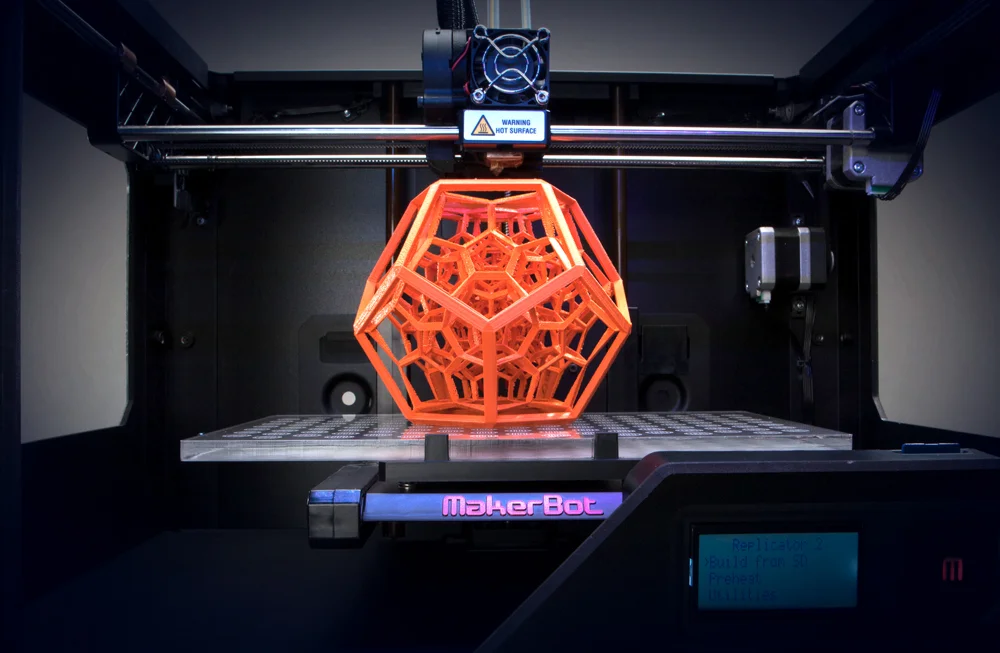
The effectiveness of 3D printing in dentistry depends heavily on the materials and printing technologies used. Common materials include resins, ceramics, and metals, each selected based on the specific application and required properties. For example, biocompatible resins are ideal for temporary crowns and surgical guides, while ceramics and metal alloys are used for permanent restorations.
Several 3D printing technologies are prevalent in dental labs and clinics:
- Stereolithography (SLA): Utilizes a laser to cure liquid resin, producing highly detailed and smooth models.
- Digital Light Processing (DLP): Similar to SLA but uses a projector for faster curing and higher throughput.
- Selective Laser Melting (SLM): Used for metal frameworks and implants, offering excellent strength and durability.
- Fused Deposition Modeling (FDM): Suitable for producing cost-effective prototypes and study models.
The choice of technology and material is guided by the intended use, desired accuracy, and regulatory requirements.
Improving Workflow and Patient Experience
One of the most significant impacts of dental 3D printing solutions is the improvement in clinical workflow and patient satisfaction. Digital impressions eliminate the discomfort of traditional molds, and the ability to produce devices in-house reduces wait times. Patients benefit from faster, more comfortable procedures and receive restorations that fit better and last longer.
Additionally, dental professionals can easily store and replicate digital files, making future adjustments or replacements more straightforward. This digital archive also facilitates better communication between clinics and labs, further enhancing efficiency.
Challenges and Considerations for Dental Professionals
While the advantages are clear, adopting 3D printing in dentistry does come with challenges. Initial investment in equipment and training can be significant, and staying updated with rapidly evolving technologies requires ongoing education. Additionally, ensuring compliance with health and safety regulations is essential, especially when using new materials or processes.
Dental professionals should carefully evaluate their practice needs, patient demographics, and available resources before integrating 3D printing. Partnering with experienced vendors and investing in staff training can help maximize the benefits and minimize potential risks.
For a deeper understanding of 3D printing fundamentals, you might explore how 3D printing works and its broader applications across industries.
Future Trends in Digital Dentistry
The future of dental care is closely tied to ongoing advancements in additive manufacturing. As printers become faster, more affordable, and capable of handling new materials, their role in dental practices will only expand. Artificial intelligence and machine learning are also being integrated into design and production workflows, further enhancing precision and efficiency.
We can expect to see more personalized treatments, on-demand manufacturing, and even remote collaboration between dental professionals worldwide. The continued evolution of dental 3D printing solutions promises to make high-quality oral care more accessible and effective for all.
FAQ
What types of dental devices can be produced with 3D printing?
3D printers in dentistry are used to create crowns, bridges, dentures, orthodontic aligners, surgical guides, and diagnostic models. The technology supports both temporary and permanent restorations, depending on the materials and methods used.
How does 3D printing improve accuracy in dental restorations?
By using digital scans and computer-aided design, 3D printing eliminates many manual steps that can introduce errors. The result is a highly precise fit, reducing the need for adjustments and improving patient comfort.
Are 3D printed dental appliances safe for patients?
Yes, when produced with certified biocompatible materials and following regulatory guidelines, 3D printed dental devices are safe and effective for patient use. Dental professionals should always verify the suitability of materials for each application.