As the demand for safe and sustainable food packaging rises, wax paper food-safe packaging has become a popular choice for both businesses and consumers. This type of packaging offers a blend of practicality, food safety, and environmental benefits, making it suitable for wrapping, storing, and presenting a wide variety of foods. Understanding what makes wax paper suitable for direct food contact, how it compares to other options, and its best uses can help you make informed decisions for your kitchen, bakery, or food service operation.
Before diving into the details of food-grade wax paper, it’s helpful to explore related topics in the packaging and printing industry. For example, if you’re interested in how different materials affect the feel and performance of printed products, you might want to read about what is soft hand feel in garment printing and how it relates to material selection.
What Makes Wax Paper Safe for Food?
The primary reason wax paper is widely used for food wrapping is its food-safe coating. Typically, wax paper is made from unbleached or bleached paper that is coated with a thin layer of food-grade wax, such as paraffin or soybean-based wax. This coating acts as a barrier, preventing moisture and grease from seeping through the paper and contaminating surfaces or other foods.
For a material to be considered food-safe, it must not transfer harmful chemicals to the food it touches. The waxes used in these papers are carefully selected and processed to comply with food safety regulations. In the United States, the FDA provides guidelines for food ingredients and packaging to ensure consumer safety. Always look for packaging labeled as food-grade or compliant with relevant safety standards.
Benefits of Using Wax Paper for Food Packaging
There are several advantages to choosing wax paper food-safe packaging for your food products:
- Moisture and Grease Resistance: The wax coating prevents leaks and keeps foods fresh by blocking moisture and oils.
- Non-Stick Surface: Foods like cheese, baked goods, and sandwiches won’t stick to the paper, making handling and serving easier.
- Breathability: Unlike plastic wrap, wax paper allows some air exchange, which helps prevent sogginess in baked goods.
- Eco-Friendly Options: Many wax papers are compostable or biodegradable, especially those made with natural waxes and unbleached paper.
- Customizable: Wax paper can be printed with branding or product information, offering marketing benefits alongside functionality.
Common Applications for Wax-Coated Food Wraps
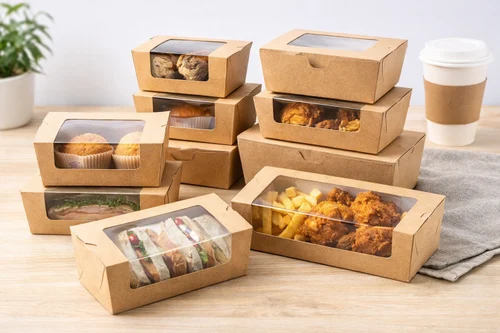
Wax-coated papers are used in a variety of settings, from home kitchens to commercial food service. Some of the most common uses include:
- Wrapping sandwiches, burgers, and deli meats for takeout or storage
- Lining bakery boxes and trays to prevent sticking and absorb excess oils
- Separating layers of baked goods, such as cookies or pastries
- Protecting cheese and charcuterie in retail and catering environments
- Serving as a liner for baskets, trays, or food baskets in restaurants and cafes
The versatility of wax paper makes it a staple in both professional and home kitchens. Its ability to maintain food quality while offering a clean, attractive presentation is especially valued in bakeries, cafes, and delis.
How Wax Paper Differs from Other Food Packaging Materials
It’s important to distinguish wax-coated paper from other types of food wraps and containers. Here’s how it compares to some common alternatives:
- Parchment Paper: While both are used for food, parchment is coated with silicone, making it heat-resistant and suitable for baking. Wax paper should not be used in the oven, as the wax can melt or catch fire.
- Plastic Wrap: Plastic is airtight and waterproof but not biodegradable. Wax paper offers breathability and is often compostable, making it a better choice for eco-conscious users.
- Aluminum Foil: Foil is excellent for heat retention and grilling but lacks the non-stick and branding potential of wax-coated paper.
- Kraft Paper: Uncoated kraft is strong but not moisture-resistant. Waxed versions combine strength with food-safe barrier properties.

Choosing the Right Wax Paper for Your Food Products
Selecting the best wax paper for your needs involves considering several factors:
- Type of Wax: Paraffin is common, but soy-based and other plant-derived waxes are available for those seeking more sustainable options.
- Paper Quality: Unbleached paper is often preferred for its natural look and lower environmental impact, while bleached paper offers a cleaner appearance.
- Thickness: Heavier papers provide more durability for greasy or moist foods, while lighter grades are suitable for dry goods.
- Custom Printing: If branding is important, look for suppliers that offer food-safe inks and printing processes.
- Certifications: Ensure the product is labeled as food-grade and meets relevant regulatory standards.
For businesses, working with a reputable supplier who understands food safety requirements is essential. This ensures that your packaging not only protects your products but also aligns with consumer expectations for safety and sustainability.
Environmental Considerations and Disposal
Many consumers are concerned about the environmental impact of disposable packaging. Wax paper made with natural waxes and unbleached paper is often compostable and biodegradable, breaking down more easily than plastic-based alternatives. However, not all wax papers are created equal. Some may contain petroleum-based waxes or additives that affect their compostability.
To dispose of wax-coated food wraps responsibly:
- Check if the packaging is labeled as compostable or biodegradable.
- Remove any food residue before composting to avoid attracting pests.
- If composting is not possible, dispose of the paper in the regular trash, as recycling is generally not recommended for waxed materials.
By choosing eco-friendly options and disposing of them properly, you can minimize your environmental footprint while still enjoying the benefits of safe, convenient food packaging.
Frequently Asked Questions
Is wax-coated paper safe for all types of food?
Yes, as long as the paper is labeled food-grade and complies with safety standards, it can be used with most foods, including baked goods, cheese, and sandwiches. However, avoid using it in the oven or with very hot foods, as the wax coating can melt.
Can wax paper be recycled or composted?
Many wax papers made with natural waxes and unbleached paper are compostable, but most are not recyclable due to the wax coating. Always check the packaging for disposal instructions and compostability claims.
How does wax-coated paper compare to parchment paper for baking?
Wax paper is not suitable for baking at high temperatures because the wax can melt or burn. Parchment paper, coated with silicone, is designed for oven use and can withstand higher temperatures without affecting food safety.