Selecting the right food-safe packaging materials is essential for any business involved in food production, distribution, or retail. The safety and integrity of food products depend heavily on the packaging used, not only to prevent contamination but also to maintain freshness and comply with regulations. With a wide variety of options available, understanding the differences and best applications for each material can help ensure both consumer safety and product quality.
In this article, we’ll break down the most common types of packaging suitable for food contact, compare their strengths and weaknesses, and offer guidance on choosing the best solution for different needs. If you’re interested in how advanced manufacturing methods are transforming the industry, you might also explore bio printing food research for insights into sustainable nutrition and packaging innovation.
Understanding the Basics of Food Packaging Safety
The term food-safe packaging materials refers to substances that do not transfer harmful chemicals or contaminants to food products. These materials are regulated by agencies such as the FDA in the United States and must meet strict standards to ensure they are suitable for direct or indirect food contact. The key factors that determine whether a material is safe for food include its chemical composition, resistance to moisture and gases, and how it reacts to temperature changes.
Packaging not only protects food from external factors but also plays a crucial role in extending shelf life and maintaining quality. The choice of material can impact everything from taste and aroma to the product’s appearance and safety.
Common Types of Food-Contact Packaging Materials
There are several main categories of materials used for packaging food, each with unique properties and best-use scenarios. Below, we examine the most widely used options and their typical applications.
Plastics: Versatile and Widely Used
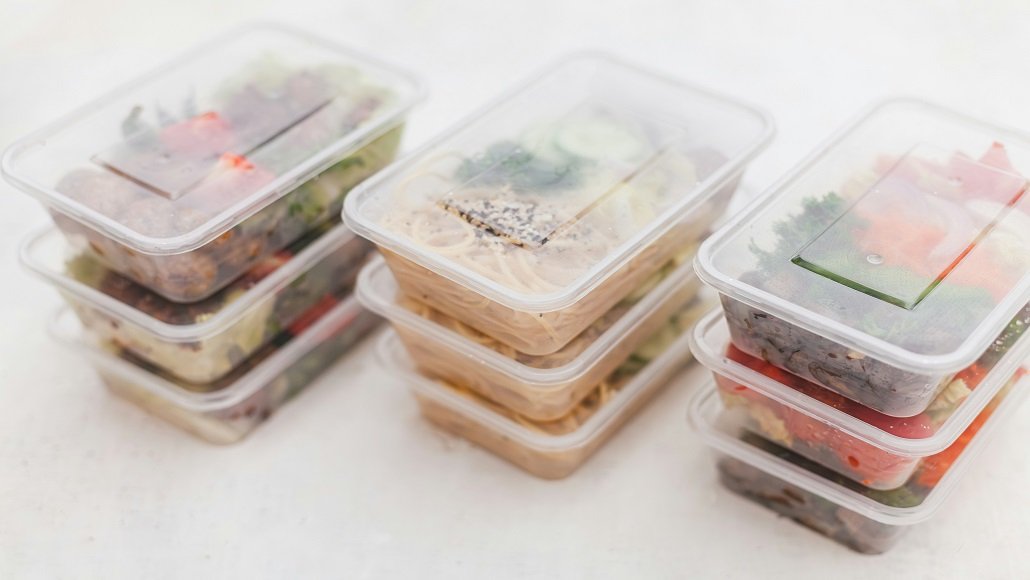
Plastics are among the most common food-safe packaging materials due to their flexibility, durability, and cost-effectiveness. Popular types include:
- Polyethylene terephthalate (PET): Used for beverage bottles and food containers, PET is lightweight, strong, and resistant to moisture.
- High-density polyethylene (HDPE): Common in milk jugs and juice bottles, HDPE is known for its chemical resistance and strength.
- Polypropylene (PP): Often used for yogurt containers and microwaveable trays, PP offers good heat resistance.
- Low-density polyethylene (LDPE): Used in bread bags and flexible lids, LDPE is valued for its flexibility and transparency.
While plastics offer many advantages, concerns about environmental impact and chemical migration have led to increased scrutiny and innovation in this sector.
Papers and Cardboards: Renewable and Customizable
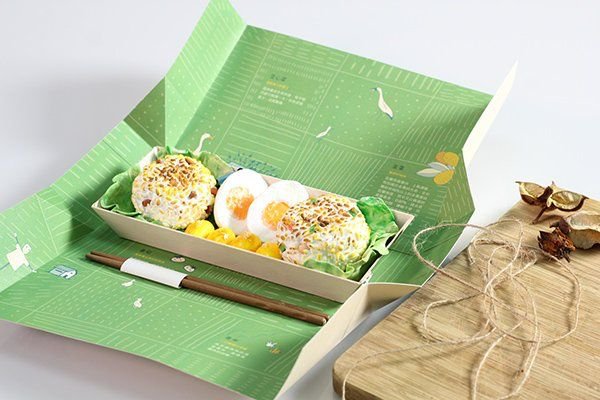
Paper-based packaging is favored for its sustainability and ease of customization. Coated or laminated papers can provide additional barriers to moisture and grease, making them suitable for bakery goods, fast food, and dry products.
- Uncoated paper: Used for bakery wraps and sandwich bags, but limited in moisture resistance.
- Waxed or coated paper: Offers improved barrier properties for items like deli meats and cheese.
- Corrugated cardboard: Common for shipping boxes and pizza cartons, providing structural strength and insulation.
It’s important to ensure that any inks, adhesives, or coatings used are also food-safe and compliant with relevant standards.
Metals: Strong and Impermeable
Metal packaging, such as aluminum and tinplate, is prized for its ability to create a complete barrier against light, air, and contaminants. This makes it ideal for canned foods, beverages, and ready-to-eat meals.
- Aluminum: Lightweight and corrosion-resistant, often used for beverage cans and foil wraps.
- Tinplate: Steel coated with tin, commonly found in canned vegetables, soups, and fish.
These materials are highly recyclable, but the production process can be energy-intensive.
Glass: Inert and Reusable
Glass is one of the most inert food-safe packaging materials, meaning it does not react with food or beverages. It is commonly used for jars, bottles, and specialty containers, especially for products where taste and purity are priorities.
- Excellent barrier against gases and moisture
- Reusable and easily recyclable
- Heavier and more fragile than other options
Biodegradable and Compostable Options
As sustainability becomes a greater concern, many businesses are turning to biodegradable and compostable packaging. These materials are often made from plant-based sources such as cornstarch, sugarcane, or cellulose, and are designed to break down more easily after use.
While these alternatives can reduce environmental impact, it’s important to verify their food safety certifications and understand the conditions required for proper decomposition.
Comparing Key Properties of Food-Grade Packaging Materials

When choosing the best packaging for food products, several factors should be considered:
- Barrier properties: How well does the material protect against moisture, oxygen, and light?
- Strength and durability: Is the packaging resistant to punctures, tears, or crushing?
- Temperature tolerance: Can it withstand freezing, microwaving, or hot filling?
- Regulatory compliance: Does it meet all food safety standards and certifications?
- Environmental impact: Is it recyclable, compostable, or made from renewable resources?
For a more in-depth look at how packaging materials are evolving alongside new manufacturing technologies, you may find this overview of safe packaging options and industry trends helpful.
Best Practices for Choosing Safe Packaging for Food
Selecting the right packaging involves more than just picking a material; it requires a holistic approach that considers the product, its shelf life, transportation needs, and sustainability goals. Here are some best practices:
- Work with reputable suppliers who provide documentation and certifications for food safety.
- Test packaging under real-world conditions to ensure it maintains food quality and safety.
- Stay updated on regulations and industry standards for food contact materials.
- Consider the end-of-life impact of packaging and opt for recyclable or compostable options when possible.
- Educate staff and customers about proper use and disposal of packaging to maximize safety and sustainability.
Frequently Asked Questions
What makes a material suitable for direct contact with food?
A material is considered suitable for direct food contact if it does not transfer harmful chemicals, odors, or flavors to the food. It must meet regulatory standards and be tested for safety under intended use conditions, including temperature and storage duration.
Are biodegradable packaging materials always safe for food?
Not all biodegradable or compostable materials are automatically safe for food contact. They must be specifically certified as food-grade and comply with relevant regulations. Always check for certifications and test compatibility with your products.
How can I ensure my packaging meets food safety regulations?
Work with suppliers who provide compliance documentation and regularly review updates from regulatory agencies. Testing packaging in real-world scenarios and maintaining thorough records can also help demonstrate compliance during inspections.