The safe storage and transportation of perishable foods depend heavily on packaging that can maintain proper temperatures and prevent contamination. As the food industry evolves, so do the demands for packaging solutions that are both food-safe and capable of protecting products from temperature fluctuations. Whether you’re in food service, manufacturing, or retail, understanding the principles behind temperature sensitive food-safe packaging is essential for ensuring product quality and consumer safety.
This article explores the fundamentals of packaging designed for temperature control, the materials and technologies involved, and how businesses can make informed choices for their specific needs. For those interested in related innovations, you may also want to learn about active packaging for food safety, which offers additional layers of protection for perishable goods.
What Makes Packaging Food-Safe and Temperature Sensitive?
At its core, food-safe packaging refers to materials and containers that do not leach harmful substances into food and are manufactured under strict hygiene standards. When temperature sensitivity is added to the equation, packaging must also be able to insulate, maintain, or indicate specific temperature ranges to keep food fresh and safe for consumption.
The combination of these two qualities is critical for products such as dairy, meat, seafood, frozen meals, and ready-to-eat items. Packaging that fails to maintain the correct temperature can lead to spoilage, loss of nutritional value, and even foodborne illnesses.
Key Materials Used in Temperature-Controlled Food Packaging
The selection of materials is a foundational aspect of designing effective temperature sensitive food-safe packaging. Here are some commonly used options:
- Expanded Polystyrene (EPS): Often used for insulated containers and coolers, EPS provides excellent thermal insulation and is lightweight.
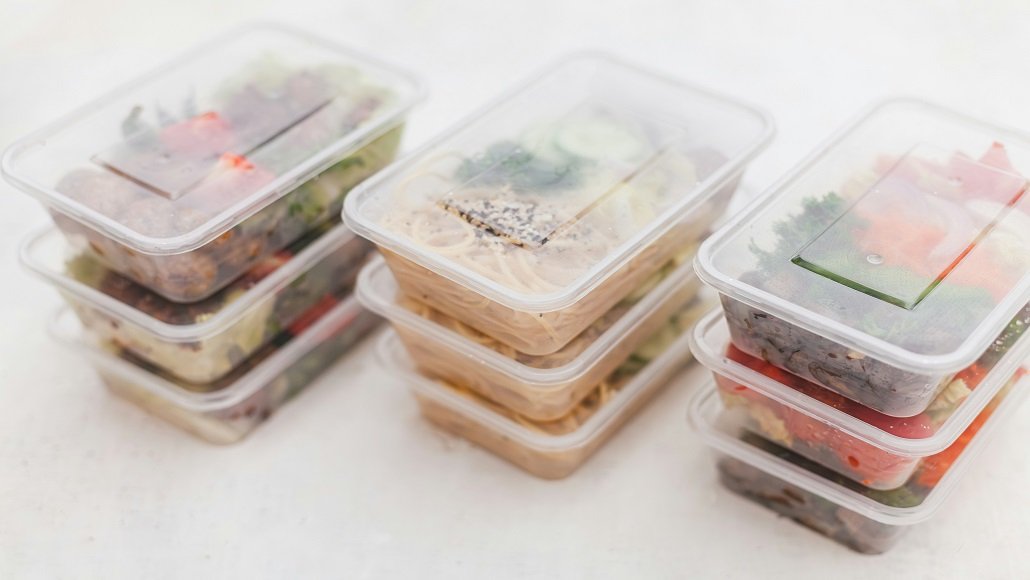
- Polyethylene Terephthalate (PET): This plastic is valued for its strength, clarity, and ability to withstand temperature changes, making it suitable for both hot and cold foods.
- Gel Packs and Phase Change Materials (PCMs): These are used in conjunction with packaging to absorb or release heat, maintaining a stable internal temperature during transit.
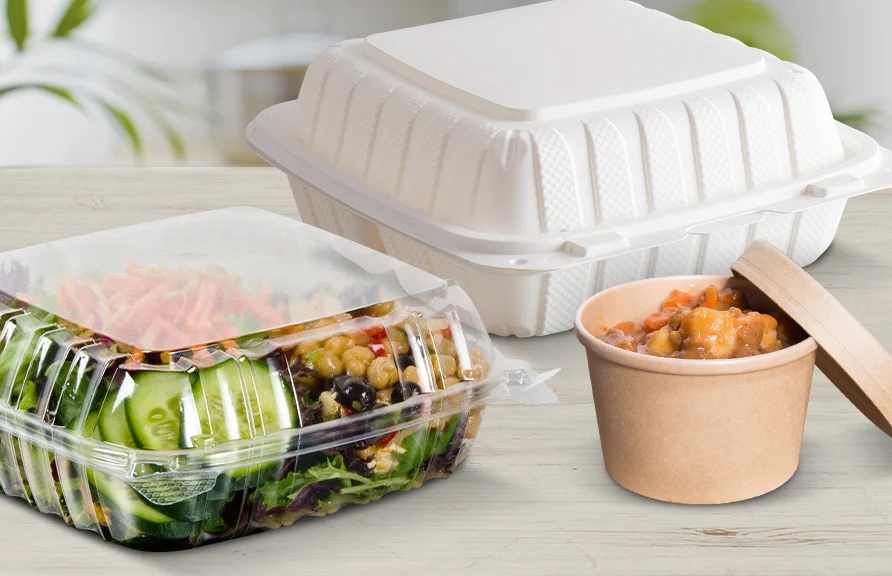
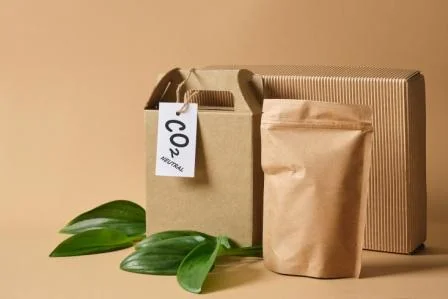
- Paper-Based Insulated Packaging: Increasingly popular for sustainability, these materials combine paper with insulating liners or coatings to protect temperature-sensitive foods.
Technologies That Enhance Temperature Control
Modern packaging solutions go beyond basic insulation. Here are some of the technologies that help maintain food safety and temperature integrity:
- Time-Temperature Indicators (TTIs): These smart labels or strips change color to show if a product has been exposed to unsafe temperatures during its journey.
- Vacuum Sealing: Removing air from packaging not only extends shelf life but also helps maintain a consistent temperature by reducing heat transfer.
- Active and Intelligent Packaging: Some solutions actively absorb oxygen or moisture, while others monitor and communicate temperature data in real time.
These advancements are especially valuable for businesses looking to improve traceability and reduce waste, as they provide clear evidence of temperature control throughout the supply chain.
Applications Across the Food Industry
The need for temperature sensitive food-safe packaging spans a wide range of sectors. Some of the most common applications include:
- Meal Delivery Services: Ensuring that hot foods stay hot and cold foods remain chilled until they reach the customer.
- Grocery and Retail: Packaging for dairy, frozen foods, and fresh produce that must be kept at specific temperatures.
- Food Manufacturing: Bulk packaging for ingredients or finished goods that require temperature control during storage and shipping.
- Catering and Events: Large-scale food transport where maintaining temperature is crucial for safety and quality.
Regulatory Standards and Food Safety Compliance
Ensuring compliance with food safety regulations is non-negotiable for any business handling perishable goods. In most regions, packaging must meet standards set by agencies such as the FDA (U.S.), EFSA (Europe), or similar authorities. These standards cover:
- Material Safety: Only approved substances can be used in direct contact with food.
- Temperature Performance: Packaging must reliably maintain required temperatures for the duration of storage and transport.
- Labeling: Clear instructions and indicators for safe handling and storage.
For a deeper dive into how to evaluate packaging materials, consider reading this guide on identifying food-safe packaging materials.
Sustainability and Reducing Environmental Impact
As environmental concerns grow, so does the demand for sustainable packaging options. Many businesses are now seeking solutions that balance temperature control with eco-friendly materials. Innovations include compostable insulated containers, recyclable liners, and reusable gel packs.
If you’re interested in minimizing packaging waste while maintaining food safety, explore strategies for reducing food packaging waste in your operations.
Choosing the Right Solution for Your Business
Selecting the best packaging for temperature-sensitive foods depends on several factors:
- Type of Food: Different products have unique temperature and safety requirements.
- Distribution Method: Local delivery, long-haul shipping, and retail display each present different challenges.
- Budget and Sustainability Goals: Balancing cost, performance, and environmental impact is key.
- Regulatory Requirements: Ensure all packaging meets local and international food safety standards.
Consulting with packaging experts and staying informed about new technologies can help your business make the right choices for both safety and efficiency.
Frequently Asked Questions
What are the main benefits of using temperature-controlled food packaging?
The primary advantages include maintaining product freshness, reducing the risk of foodborne illnesses, extending shelf life, and ensuring compliance with food safety regulations. Proper temperature management also helps preserve the taste, texture, and nutritional value of perishable foods.
How can I tell if a packaging material is food-safe?
Look for certifications or markings indicating compliance with food safety standards, such as FDA approval or equivalent. You can also refer to resources like this guide on food-safe packaging materials for more information.
Are there sustainable options for temperature-sensitive packaging?
Yes, many manufacturers now offer eco-friendly solutions, such as compostable insulated containers, recyclable packaging, and reusable cooling elements. These options help reduce environmental impact while still providing effective temperature control.