Plastic has become a cornerstone of modern food packaging, offering a combination of durability, flexibility, and cost-effectiveness that few other materials can match. From keeping snacks fresh to ensuring ready meals remain safe during transport, the types of plastic food packaging used today are as varied as the foods they protect. Understanding the different plastics and their applications helps businesses, consumers, and manufacturers make informed choices about safety, sustainability, and functionality.
Whether you’re a food producer, retailer, or simply curious about what keeps your groceries fresh, this article will break down the main categories of plastic packaging, their properties, and their most common uses. If you’re interested in how material choices impact other industries, you might also want to explore what is soft hand feel in garment printing for a look at textile applications.
Why Plastic Remains a Popular Choice for Food Packaging
The widespread use of plastic in food packaging is driven by its unique combination of features. Plastics are lightweight, resistant to moisture and contamination, and can be molded into virtually any shape. These qualities make them ideal for protecting food from spoilage, extending shelf life, and improving convenience for both manufacturers and consumers.
In addition, plastics can be engineered to provide specific barriers against oxygen, light, and microbes, which is crucial for sensitive products like dairy, meat, and snacks. As packaging technology advances, manufacturers continue to develop new plastic blends and formats to meet evolving needs.
Common Types of Plastic Used in Food Packaging
There are several main categories of plastic materials used in food packaging, each with its own strengths and typical applications. Here’s a closer look at the most widely used varieties:
Polyethylene Terephthalate (PET or PETE)
PET is one of the most recognizable plastics, commonly used for beverage bottles, salad containers, and some food trays. It is clear, strong, and provides an excellent barrier to gases and moisture. PET is also widely recycled, making it a preferred choice for many single-use food and drink containers.
High-Density Polyethylene (HDPE)
HDPE is valued for its strength and resistance to chemicals. It is typically found in milk jugs, juice bottles, yogurt tubs, and grocery bags. This plastic is opaque and less flexible than some alternatives, but it offers robust protection for a variety of food products.
Low-Density Polyethylene (LDPE)
LDPE is softer and more flexible than HDPE, making it ideal for squeeze bottles, bread bags, and plastic wraps. Its moisture resistance helps keep baked goods and produce fresh, while its pliability allows for easy sealing and resealing.
Polypropylene (PP)
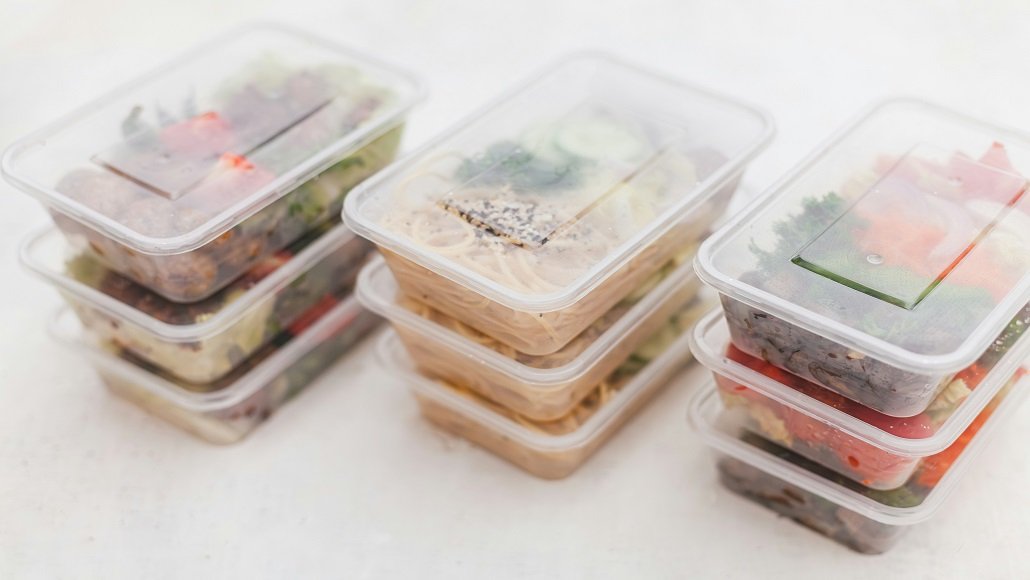
Polypropylene is known for its high melting point, making it suitable for packaging that needs to withstand heat, such as microwaveable containers and yogurt cups. It is also used for bottle caps, straws, and some snack packaging. PP is lightweight, resistant to fatigue, and offers a good moisture barrier.
Polystyrene (PS)
Polystyrene is used in both rigid and foam forms. Rigid PS is found in disposable cutlery and some yogurt containers, while expanded polystyrene (EPS) is used for foam trays, egg cartons, and takeout containers. While lightweight and insulating, PS is less commonly recycled and has raised environmental concerns.
Polyvinyl Chloride (PVC)
PVC is flexible and provides a strong barrier to oils and oxygen. It is often used for shrink wraps, cling films, and some bottles. However, due to concerns about additives and recycling challenges, its use in food packaging has declined in favor of safer alternatives.
Specialty and Emerging Plastic Packaging Solutions
Beyond the standard plastics, the packaging industry is also exploring specialty materials and innovative blends to meet new demands. These include:
- Bioplastics: Derived from renewable sources like corn starch or sugarcane, bioplastics are designed to be compostable or biodegradable. They are increasingly used for produce bags, food service items, and some snack packaging.
- Multi-layer Films: By combining different plastics in thin layers, manufacturers can create packaging with tailored barrier properties for products like chips, cheese, and coffee.
- Active and Intelligent Packaging: Some advanced plastics can absorb oxygen, release preservatives, or indicate freshness, helping to further extend shelf life and reduce food waste.
Environmental Considerations and Recycling
The environmental impact of plastic packaging is a growing concern for both consumers and industry. While plastics offer many benefits, their persistence in the environment and challenges with recycling have led to increased scrutiny. Some types, like PET and HDPE, are widely recycled, while others, such as polystyrene and multi-layer films, are more difficult to process.
Efforts to improve sustainability include designing packaging for easier recycling, using recycled content, and developing biodegradable alternatives. For a deeper look at the health and environmental impacts of plastic packaging, see this comprehensive review of food packaging materials and their safety.
How to Identify Different Plastic Packaging Types
Most food packaging includes a resin identification code—usually a number within a triangle—on the bottom or side of the container. These codes help consumers and recyclers distinguish between plastics such as PET (1), HDPE (2), and others. Understanding these symbols can assist with proper disposal and recycling.
| Plastic Type | Code | Common Uses |
|---|---|---|
| PET | 1 | Beverage bottles, salad containers |
| HDPE | 2 | Milk jugs, juice bottles, tubs |
| LDPE | 4 | Bread bags, wraps, squeeze bottles |
| PP | 5 | Microwave containers, yogurt cups |
| PS | 6 | Foam trays, takeout containers |
| PVC | 3 | Shrink wrap, cling film |
Choosing the Right Plastic for Food Packaging Needs
Selecting the most suitable plastic depends on the food product, required shelf life, and distribution conditions. For example, products needing a strong oxygen barrier may benefit from PET or multi-layer films, while items that require microwave heating are better suited to polypropylene. Cost, recyclability, and consumer preferences also play a role in these decisions.
As consumer awareness grows, brands are increasingly transparent about their packaging choices and are investing in more sustainable solutions. This shift is expected to continue as regulations evolve and new materials become available.
FAQ About Plastic Food Packaging
Which plastic is safest for food packaging?
PET and HDPE are generally considered among the safest plastics for food contact due to their chemical stability and widespread regulatory approval. However, all plastics used in food packaging must meet safety standards set by authorities such as the FDA or EFSA.
Can all plastic food packaging be recycled?
Not all plastics are equally recyclable. PET and HDPE are widely accepted in recycling programs, while materials like polystyrene, PVC, and multi-layer films are less commonly recycled due to processing challenges.
Are bioplastics a better alternative to traditional plastics?
Bioplastics offer environmental benefits such as compostability and reduced reliance on fossil fuels. However, their performance and recyclability can vary, and they may require specific industrial composting facilities to break down properly.
How can consumers reduce the impact of plastic packaging?
Consumers can help by choosing products with recyclable packaging, properly sorting plastics for recycling, and supporting brands that use sustainable materials or minimal packaging.