For major clothing labels and fast-growing fashion companies, producing thousands—or even millions—of printed garments requires a specialized approach. Tips for high-volume apparel screen printing go far beyond the basics, focusing on efficiency, consistency, and quality at scale. Whether you’re managing a large in-house production facility or partnering with contract printers, understanding the nuances of mass production is essential to meet deadlines, control costs, and maintain your brand’s reputation.
In this article, we’ll explore proven strategies for optimizing every stage of the screen printing process for large-scale orders. From selecting the right equipment and inks to ensuring color accuracy and minimizing waste, these best practices can help apparel brands deliver outstanding results on every run.
One important consideration for large-scale garment printing is the tactile quality of the finished product. For brands seeking a premium feel, understanding what is soft hand feel in garment printing can help you choose the right inks and processes to achieve both comfort and durability.
Key Equipment Choices for Large-Scale Production
Selecting the right machinery is foundational for any high-volume operation. Automated screen printing presses are the industry standard for big brands, offering speed, precision, and repeatability that manual setups simply can’t match. Look for presses that support multi-color jobs, rapid setup, and easy integration with drying systems.
Other essential equipment includes high-capacity dryers, efficient exposure units, and automated screen cleaning systems. Investing in robust machinery reduces bottlenecks and ensures your production line can keep up with demand.
Optimizing Workflow and Production Layout
A streamlined workflow is crucial for minimizing downtime and maximizing throughput. Organize your production floor to allow for smooth movement of garments from one station to the next. Clearly defined zones for screen preparation, printing, curing, and packing help prevent errors and reduce unnecessary handling.
Implementing lean manufacturing principles—such as just-in-time inventory and continuous improvement—can further enhance efficiency. Regularly review your processes to identify and eliminate bottlenecks, and ensure all team members are trained on best practices for high-volume apparel printing.
Color Consistency and Quality Control in Bulk Printing
Maintaining color accuracy across thousands of garments is a common challenge in mass production. Standardize your ink mixing procedures and use calibrated color matching systems to ensure every batch meets your brand’s specifications. Document recipes for each color and keep detailed records for repeat orders.
Quality control checkpoints should be integrated throughout the process. Inspect prints at multiple stages—after the first few impressions, mid-run, and at the end—to catch issues early. Automated vision systems can help detect misprints or registration errors before garments reach packing.
Ink and Substrate Selection for Large Orders
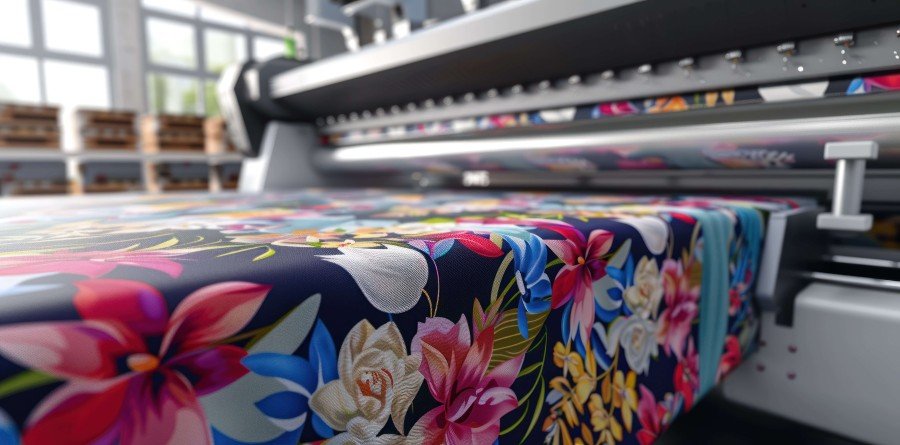
Choosing the right inks is vital for both print quality and production speed. Plastisol inks are popular for their durability and ease of use, but water-based and discharge inks are increasingly favored for their soft feel and eco-friendly properties. For brands focused on sustainability, exploring digital fabric printing methods can offer additional flexibility and environmental benefits.
The choice of garment substrate also impacts the final result. Test your inks on the exact fabric and colorways you’ll be using at scale, as blends and finishes can affect ink adhesion, vibrancy, and wash durability.
Reducing Waste and Improving Sustainability
Large-scale printing can generate significant waste if not managed carefully. To reduce environmental impact, implement systems for reclaiming screens, recycling inks, and minimizing offcuts. Choose suppliers who offer eco-friendly chemicals and biodegradable packaging.
Sustainable practices not only benefit the environment but can also enhance your brand’s reputation with eco-conscious consumers. For some companies, adopting a micro-factory model—which focuses on localized, on-demand production—can further reduce waste and improve responsiveness to market trends.
Managing Artwork and Pre-Press for Mass Production
Efficient pre-press processes are essential when preparing artwork for large runs. Use vector files and high-resolution images to ensure sharp, scalable prints. Separate colors accurately and create detailed proofs for client approval before screens are burned.
Automated screen imaging and registration systems can dramatically speed up setup times and reduce the risk of costly errors. Keep digital archives of all approved artwork and screen separations for easy reordering and consistency across multiple production cycles.
Staff Training and Safety in High-Volume Environments
A well-trained team is the backbone of any successful large-scale printing operation. Provide ongoing education on equipment operation, ink handling, and safety protocols. Cross-train staff to handle multiple roles, ensuring flexibility during peak periods or staff shortages.
Safety should never be compromised. Ensure all workers use personal protective equipment (PPE) and understand emergency procedures. Regularly maintain equipment to prevent accidents and downtime.
Common Challenges and Solutions in Bulk Apparel Printing
Even with the best systems in place, high-volume printing presents unique challenges. Ghost images on screens, ink buildup, and registration drift can disrupt production. Implement regular screen cleaning and maintenance routines to prevent these issues. For persistent problems, consult resources on how to remove ghost images from printing screens effectively.
Stay proactive by monitoring production metrics, soliciting feedback from operators, and investing in continuous improvement. The ability to quickly identify and resolve issues is what separates top-tier operations from the rest.
FAQ: High-Volume Apparel Screen Printing
What are the most important factors for consistent quality in mass garment printing?
Consistency depends on standardized procedures, high-quality equipment, and thorough quality control. Use automated presses, calibrated color matching, and regular inspections to maintain uniform results across large orders.
How can brands reduce turnaround times for large apparel orders?
Streamlining workflow, investing in automation, and pre-scheduling production runs are key. Cross-training staff and maintaining equipment readiness also help minimize delays and keep orders on track.
Is it possible to achieve a soft feel on large-scale screen printed garments?
Yes, by selecting the right inks (such as water-based or discharge) and optimizing curing processes, brands can achieve a soft hand even at high volumes. For more details, explore guides on what is soft hand feel in garment printing.
What are the benefits of using micro-factory models for big brands?
Micro-factory setups enable more agile, on-demand production, reducing waste and inventory costs. They also allow brands to respond quickly to market trends and offer more customization options. Learn more about the benefits of micro-factory models for fashion printing.
By applying these tips for high-volume apparel screen printing, brands can optimize their production lines, deliver consistent quality, and stay competitive in a fast-paced market. Whether you’re scaling up for the first time or refining an established process, focusing on efficiency, quality, and sustainability will help your brand succeed at any scale.