As the demand for eco-friendly fashion grows, many brands are seeking ways to create garments that are both stylish and gentle on the planet. One of the most important steps in building a truly sustainable apparel line is understanding how to print on organic cotton for sustainable lines. This process involves more than just choosing the right fabric—it requires careful consideration of inks, printing methods, and finishing techniques to ensure the final product aligns with environmental values.
Whether you’re an established label or a new designer, learning the best practices for printing on organic cotton can help you deliver high-quality, ethical products that resonate with conscious consumers. In this guide, we’ll explore the key factors, methods, and tips for achieving vibrant, durable, and sustainable prints on organic textiles.
For those interested in achieving a soft, comfortable finish on their garments, understanding what is soft hand feel in garment printing can be a valuable resource as you refine your printing process.
Why Choose Organic Cotton for Eco-Conscious Apparel
Organic cotton is grown without the use of synthetic pesticides, herbicides, or genetically modified seeds. This reduces environmental impact and supports healthier farming communities. For clothing brands, using organic cotton is a clear step toward sustainability, but the benefits extend beyond the raw material:
- Lower environmental footprint: Organic farming methods use less water and energy.
- Safer for workers: Farmers are not exposed to harmful chemicals.
- Better for skin: Organic cotton is less likely to cause irritation or allergies.
- Consumer trust: Eco-labels and certifications can enhance brand reputation.
However, to maintain these advantages, it’s crucial that the entire production process—including printing—remains environmentally responsible.
Key Considerations Before Printing on Organic Cotton
Printing on organic cotton presents unique challenges compared to conventional textiles. Here are some important factors to keep in mind:
- Fabric preparation: Organic cotton may contain natural oils or waxes that can affect ink adhesion. Pre-washing or scouring is often necessary.
- Ink compatibility: Not all inks are suitable for natural fibers or for eco-friendly claims. Choose inks that are water-based, GOTS-certified, or free from harmful chemicals.
- Print durability: Sustainable inks and gentle processes can sometimes compromise wash-fastness. Testing is essential to ensure longevity.
- Certifications: If you want to market your products as certified organic or sustainable, all inputs and processes—including printing—must meet specific standards.
Eco-Friendly Printing Methods for Organic Cotton
There are several techniques available for printing on organic cotton, each with its own advantages and limitations. The choice depends on your design needs, production scale, and sustainability goals.
Water-Based Screen Printing
Water-based inks are a popular choice for sustainable clothing lines. They soak into the fibers of organic cotton, resulting in a soft hand feel and vibrant colors. These inks are free from PVC and phthalates, making them safer for both workers and the environment. However, water-based printing requires precise control of humidity and curing conditions to ensure consistent results.
Digital Textile Printing for Sustainable Lines
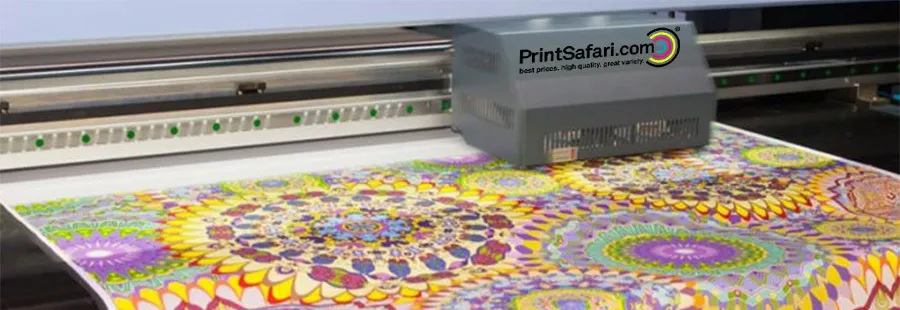
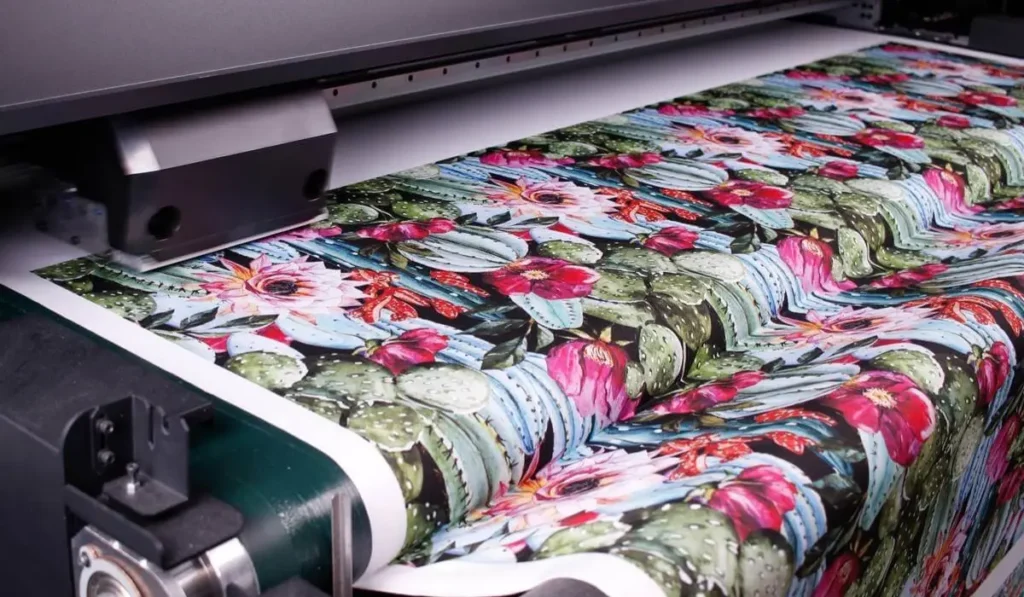
Digital printing, especially with eco-certified inks, offers a modern solution for short runs and complex designs. This method uses inkjet technology to apply designs directly to the fabric, minimizing waste and water usage. For brands focused on how to print on organic cotton for sustainable lines, digital printing is an excellent option due to its efficiency and ability to produce sharp, detailed images.
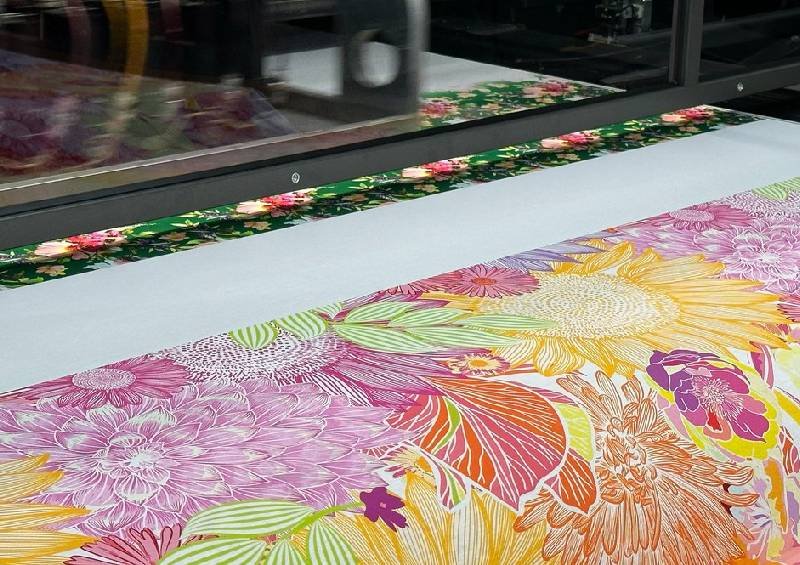
For a deeper dive into the environmental benefits and technical details of digital textile printing, see this comprehensive guide on sustainable digital textile printing.
Natural and Low-Impact Dyes
Some brands opt for plant-based or low-impact dyes, which use fewer toxic chemicals and less water. While these methods may offer a more muted color palette, they align well with the values of eco-conscious consumers. It’s important to verify that any dyes or pigments used are compatible with organic cotton and meet relevant environmental standards.
Choosing the Right Inks and Chemicals
The choice of ink is critical when printing on organic cotton for sustainable lines. Here are some options to consider:
- GOTS-certified inks: The Global Organic Textile Standard (GOTS) certifies inks and chemicals that meet strict environmental and social criteria.
- OEKO-TEX certified inks: These are tested for harmful substances and are safe for human use.
- Water-based and soy-based inks: These alternatives reduce reliance on petroleum and are less polluting.
- Discharge inks: Used for soft prints, but must be checked for eco-friendliness and compatibility with organic cotton.
Always request documentation from suppliers to ensure compliance with your sustainability goals.

Best Practices for Sustainable Printing on Organic Cotton
To achieve the best results and maintain your eco-friendly credentials, follow these practical tips:
- Pre-treat and test: Always pre-wash organic cotton to remove natural residues. Run small test prints to check ink adhesion and color vibrancy.
- Optimize curing: Ensure inks are properly cured to maximize durability and wash resistance. Under-cured prints may fade or wash out quickly.
- Minimize waste: Use digital or direct-to-garment printing for small runs to reduce excess inventory and water usage.
- Choose sustainable partners: Work with print shops and suppliers who share your commitment to environmental responsibility.
- Label transparently: Clearly communicate the sustainable aspects of your printing process to customers, including certifications and eco-friendly materials.
For brands interested in innovative production models, exploring the benefits of micro-factory models for fashion printing can further enhance flexibility and reduce waste.
Common Challenges and Solutions
While printing on organic cotton for sustainable lines offers many benefits, it also comes with unique challenges:
- Ink absorption: Organic cotton can absorb inks differently than conventional fabrics. Adjust print settings and ink formulations as needed.
- Color consistency: Natural fibers may show slight color variations. Consistent fabric sourcing and thorough testing help maintain quality.
- Certification compliance: Ensure every component, from inks to finishing agents, meets the standards required for organic certification.
- Cost considerations: Sustainable inks and processes may be more expensive, but they add value and credibility to your brand.
FAQ: Printing on Organic Cotton for Sustainable Fashion
What types of inks are best for organic cotton?
Water-based, GOTS-certified, and OEKO-TEX approved inks are ideal for organic cotton. These options are free from harmful chemicals and provide vibrant, long-lasting prints while supporting sustainability goals.
How can I ensure my prints are both durable and eco-friendly?
Proper fabric preparation, ink selection, and curing are essential. Always pre-wash the cotton, use certified inks, and test print durability through multiple wash cycles. Partnering with experienced printers who specialize in sustainable methods can also help.
Is digital printing suitable for small sustainable clothing lines?
Yes, digital printing is an excellent choice for small runs and complex designs. It minimizes water and ink waste, allows for on-demand production, and works well with eco-friendly inks on organic cotton fabrics.
By following these best practices and staying informed about the latest innovations, brands can create clothing that is not only beautiful but also kind to the earth. Sustainable printing on organic cotton is a powerful way to align your products with the values of today’s conscious consumers.