Understanding the differences between wet printing and dry printing is essential for anyone involved in textile manufacturing, garment decoration, or fabric design. These two processes represent distinct approaches to applying color and patterns to textiles, each with unique advantages, challenges, and applications. Whether you are a designer, production manager, or simply interested in how fabrics get their vibrant looks, this guide will clarify the key distinctions and help you make informed decisions for your projects.
Before diving into the technical details, it’s helpful to consider how the choice between these methods can impact the final product’s feel, durability, and appearance. For those interested in achieving a particular fabric texture, you may also want to explore what is soft hand feel in garment printing for additional insight into tactile qualities.
Defining Wet Printing in Textile Manufacturing
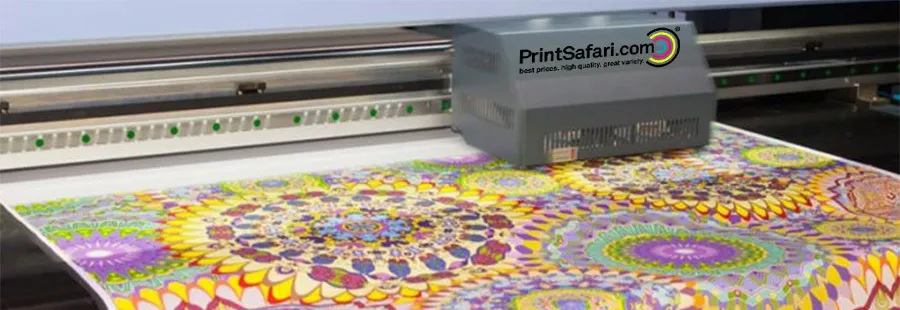
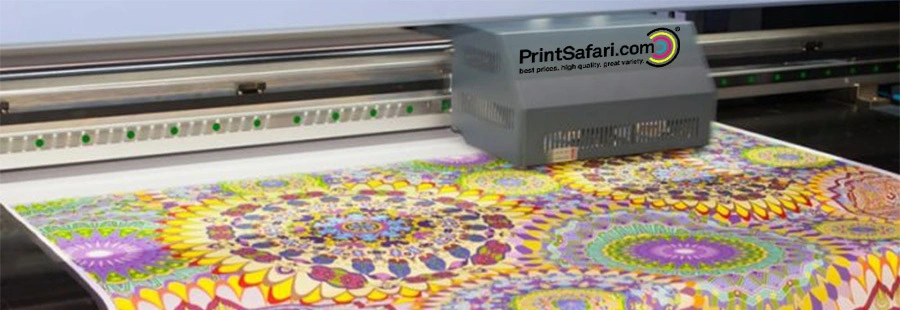
Wet printing refers to processes where liquid dyes, pigments, or inks are applied to fabric. This method involves water or other solvents as carriers, which help transfer colorants onto textile fibers. The most common wet printing techniques include screen printing, rotary printing, and digital inkjet printing. After application, the fabric typically undergoes steaming, washing, and drying steps to set the colors and remove excess chemicals.
Key characteristics of wet printing:
- Uses liquid-based colorants (dyes or pigments)
- Requires subsequent washing and drying
- Enables vibrant, deep color penetration
- Suitable for both natural and synthetic fibers
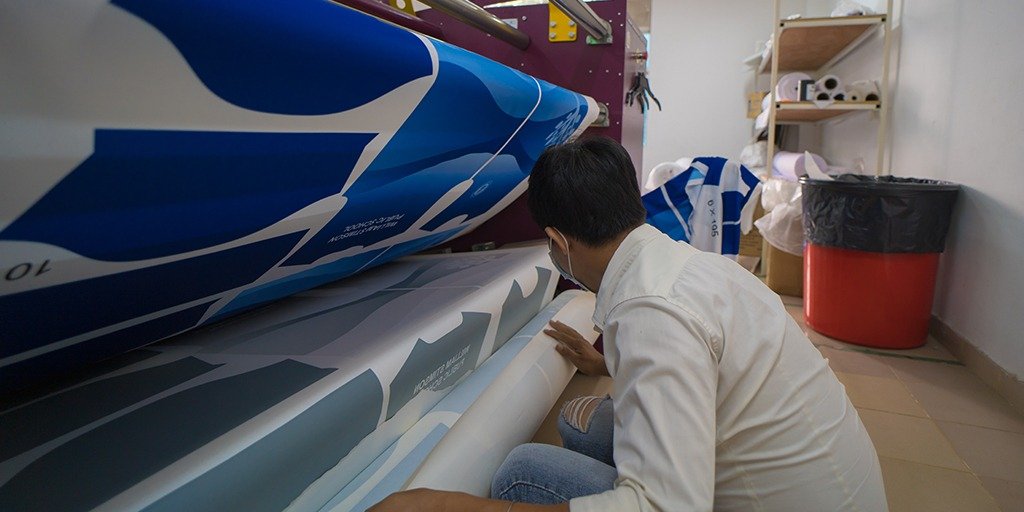
Digital textile printing, a modern form of wet printing, is gaining popularity for its flexibility and ability to produce intricate designs. For a deeper dive into this technology, see this overview of digital textile printing methods.
Understanding Dry Printing Methods
Dry printing encompasses techniques that apply color or patterns to textiles without the use of water or liquid solvents. Instead, these methods often rely on heat, pressure, or adhesive films to transfer designs onto fabric surfaces. Common dry printing processes include heat transfer printing, sublimation, and certain types of direct-to-film (DTF) printing.
Key features of dry printing:
- No water or liquid chemicals involved in the transfer process
- Designs are often applied as pre-printed films or via sublimation inks that vaporize under heat
- Minimal post-processing (no washing required)
- Well-suited for synthetic fabrics, especially polyester

Heat transfer and sublimation are particularly valued for their ability to produce sharp, photo-quality images and for their efficiency in short production runs. These methods are commonly used for sportswear, promotional items, and custom apparel.
Comparing Wet and Dry Printing: Key Differences
When evaluating what is wet printing vs dry printing, several factors come into play. The following table highlights the core differences between the two approaches:
| Aspect | Wet Printing | Dry Printing |
|---|---|---|
| Color Application | Liquid dyes/pigments penetrate fibers | Color sits on or fuses with surface |
| Post-Processing | Requires washing, steaming, drying | Minimal or no washing needed |
| Fabric Compatibility | Works on most fibers | Best for synthetics (e.g., polyester) |
| Design Complexity | Excellent for detailed, multi-color prints | Ideal for photographic and gradient designs |
| Environmental Impact | Higher water/chemical use | Lower water usage; less effluent |
| Durability | Colors often more washfast | Durability varies by method |
Advantages and Disadvantages of Each Approach
Benefits of Wet Printing
- Produces rich, saturated colors that bond well with fibers
- Suitable for a wide range of textiles, including cotton, silk, and blends
- Allows for large-scale, continuous production (e.g., rotary screen printing)
Drawbacks of Wet Printing
- Consumes significant water and energy
- Requires wastewater treatment and chemical management
- Longer processing times due to washing and drying steps
Advantages of Dry Printing
- Efficient for short runs and custom orders
- Reduces water usage and environmental footprint
- Quick turnaround with minimal post-processing
- Excellent for detailed, photographic prints
Limitations of Dry Printing
- Primarily suited for synthetic fabrics
- May not achieve the same depth of color as wet methods on some materials
- Adhesion and durability can vary depending on technique and fabric type
Choosing the Right Printing Method for Your Project
Selecting between wet and dry printing depends on several factors, including fabric type, desired design complexity, production volume, and sustainability goals. For example, if your project involves natural fibers and requires deep, long-lasting colors, wet printing may be preferable. On the other hand, for fast, customizable prints on polyester garments, dry methods like sublimation or heat transfer offer clear advantages.
It’s also important to consider the end use of the textile. For fashion brands seeking to minimize environmental impact, dry printing can be a strategic choice. Those interested in innovative production models may want to learn more about the benefits of micro-factory models for fashion printing, which often leverage digital and dry processes for efficiency and sustainability.
Frequently Asked Questions
Which printing method is more environmentally friendly?
Generally, dry printing processes use less water and produce less wastewater than wet printing. This makes them more environmentally friendly, especially for short runs and synthetic fabrics. However, the overall impact also depends on energy use and the types of inks or films employed.
Can wet and dry printing be combined in a single project?
Yes, some advanced production workflows combine both methods. For example, a base color might be applied using wet techniques, followed by dry transfer of detailed graphics or logos. This hybrid approach can optimize both quality and efficiency.
How do I choose between wet and dry printing for my fabric?
Consider the type of fabric, the complexity of your design, desired durability, production scale, and environmental priorities. Wet printing is versatile for many fibers and deep colors, while dry printing excels for custom, fast-turnaround jobs on synthetics.
Conclusion
Both wet and dry printing play vital roles in modern textile production. By understanding their differences, strengths, and limitations, you can select the best method for your specific needs—whether that’s achieving vibrant, wash-resistant colors or producing quick-turnaround custom apparel. As technology evolves, the lines between these processes may continue to blur, offering even more flexibility and innovation for designers and manufacturers.