Ensuring food safety and quality during storage and transportation is a growing concern for manufacturers, retailers, and consumers alike. Time-temperature indicator packaging has emerged as a practical solution to monitor and communicate the history of temperature exposure for perishable goods. By providing a visual cue if a product has been subjected to unsafe conditions, these smart packaging solutions help reduce waste, prevent foodborne illnesses, and build consumer trust.
As the food industry continues to innovate, understanding how these indicators work and their impact on supply chains is essential. For those interested in broader sustainable practices, exploring food-safe packaging and recycling can provide additional context on how packaging choices affect both safety and the environment.
What Are Time-Temperature Indicators?
Time-temperature indicators (TTIs) are small devices or labels attached to packaging that visually display if a product has experienced temperature abuse over time. These indicators are especially valuable for foods, pharmaceuticals, and other temperature-sensitive products. Their main function is to record the cumulative effect of temperature and time, providing a clear signal—often through color change—if the product’s safety or quality may have been compromised.
Unlike traditional expiration dates, which are based on ideal storage conditions, TTIs offer real-time monitoring. This allows for more accurate assessments of product freshness and safety, reducing unnecessary waste and enhancing consumer confidence.
How Time-Temperature Indicator Packaging Works
The core principle behind time-temperature indicator packaging is the use of chemical, enzymatic, or physical reactions that are sensitive to temperature changes. When a product is exposed to temperatures outside its safe range, the indicator reacts—usually by changing color or displaying a visual cue. The speed and extent of this change are calibrated to match the product’s shelf life and safety requirements.
There are several types of TTIs, including:
- Partial history indicators: Show if a product has exceeded a specific temperature threshold at any point.
- Full history indicators: Track cumulative exposure to temperature over time, providing a more comprehensive record.
- Critical temperature indicators: Activate only if a product is exposed to a temperature above or below a set limit.
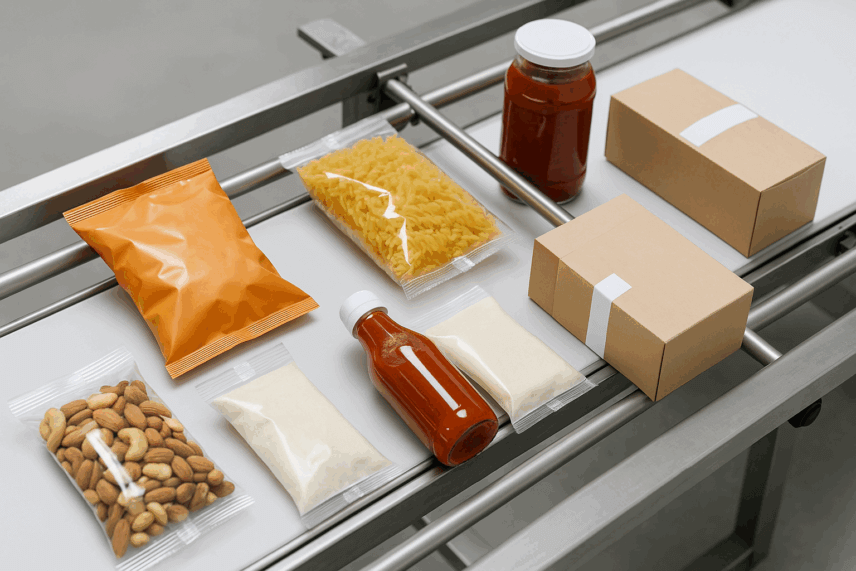
These devices are often integrated into labels, bottle caps, or even directly onto packaging films. Some advanced solutions can be read electronically, while most are designed for quick visual inspection.
Benefits of Using Smart Temperature-Sensitive Packaging
Adopting smart packaging with time-temperature indicators offers several advantages for both businesses and consumers:
- Enhanced food safety: TTIs help prevent the sale and consumption of products that may have spoiled due to improper storage or transport.
- Reduced food waste: By providing accurate freshness information, these indicators minimize unnecessary disposal of still-safe products.
- Supply chain transparency: Retailers and distributors can quickly identify and remove compromised items, streamlining quality control.
- Consumer confidence: Shoppers can make informed decisions, knowing the product’s temperature history is clearly displayed.
- Regulatory compliance: Many regions require strict temperature monitoring for perishable goods. TTIs simplify record-keeping and reporting.

Common Applications in the Food Industry
Time-temperature indicator packaging is widely used in sectors where product integrity is closely tied to temperature control. Some of the most common applications include:
- Fresh and frozen foods: Meat, seafood, dairy, and ready-to-eat meals often feature TTIs to ensure they remain safe from production to consumption.
- Pharmaceuticals: Vaccines, biologics, and other temperature-sensitive medications rely on these indicators for safety and efficacy.
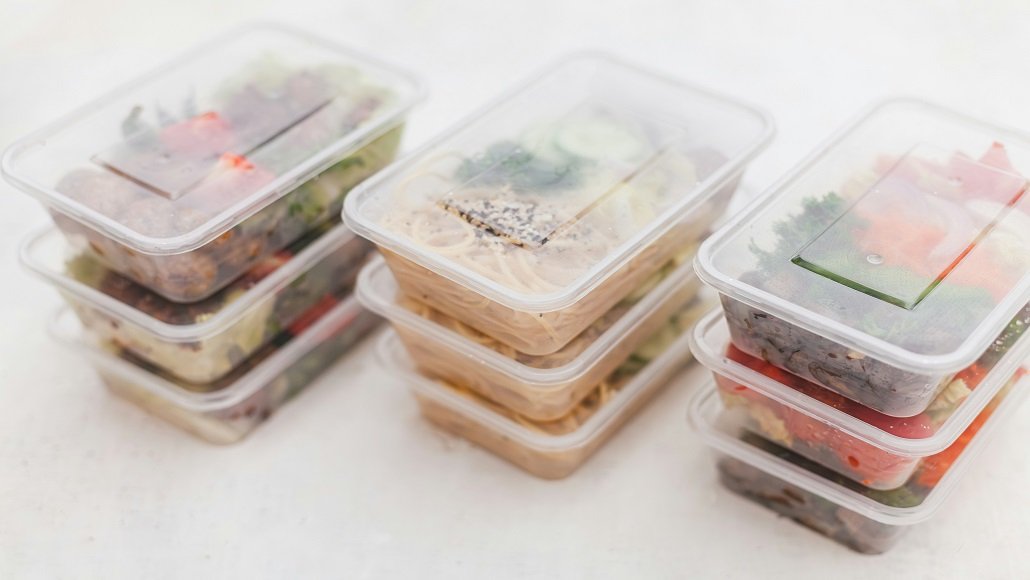
- Meal delivery and takeout: Restaurants and food delivery services use TTIs to reassure customers that their meals have been handled safely.
- Retail and grocery: Supermarkets use TTIs to monitor products throughout the supply chain and on store shelves.
For those interested in related innovations, exploring color changing food-safe packaging reveals additional ways packaging can communicate freshness and safety.
Challenges and Considerations for Implementation
While the benefits are clear, there are several factors to consider when adopting time-temperature indicator packaging:
- Cost: Adding TTIs can increase packaging expenses, though this may be offset by reduced waste and improved safety.
- Calibration: Indicators must be carefully matched to the specific product and its temperature sensitivity to avoid false positives or negatives.
- Consumer education: Clear instructions are needed so end users understand how to interpret the indicators.
- Environmental impact: Some TTIs use materials or chemicals that may not be easily recyclable. Companies should seek eco-friendly options where possible.
- Integration with other packaging technologies: Combining TTIs with antimicrobial food-safe packaging or active packaging for food safety can offer layered protection and further enhance product integrity.
For a deeper dive into the intersection of safety and sustainability, consider reading about active packaging for food safety and how it complements TTIs in modern food systems.
Industry Standards and Regulatory Insights
Regulatory bodies around the world recognize the value of TTIs in protecting public health. In many regions, the use of such indicators is encouraged or required for certain products, especially in the pharmaceutical and food industries. Compliance with these standards not only ensures safety but can also open up new markets for manufacturers.
For businesses seeking guidance on best practices, resources like this comprehensive overview of food-safe packaging requirements provide valuable insights into regulatory trends and practical implementation.
Future Trends in Intelligent Packaging
The field of smart packaging is evolving rapidly. New developments in time-temperature indicator packaging include digital sensors, wireless monitoring, and integration with blockchain for traceability. As technology advances, expect to see even more accurate, cost-effective, and environmentally friendly solutions.
Additionally, the push for sustainability is driving innovation in materials and design. Companies are exploring biodegradable or recyclable TTIs, as well as solutions that can be easily separated from the main packaging for proper disposal or recycling. For strategies on minimizing environmental impact, see this guide on reducing food packaging waste.
FAQ
How do time-temperature indicators help reduce food waste?
By providing real-time information on whether a product has been stored safely, TTIs help prevent the unnecessary disposal of food that is still safe to eat. This targeted approach reduces overall waste compared to relying solely on expiration dates.
Are time-temperature indicators safe to use with food products?
Yes, reputable TTIs are designed to be food-safe and comply with relevant regulations. They are typically placed on the outside of packaging and do not come into direct contact with the food itself.
Can time-temperature indicators be recycled?
Some TTIs are made from recyclable materials, but others may contain components that require special disposal. It’s important to check packaging instructions or choose solutions designed with sustainability in mind.