Keeping vegetables fresh, safe, and appealing from farm to table is a top priority for growers, distributors, and retailers. The right food-safe packaging for vegetables not only preserves quality but also protects consumers from contamination and spoilage. With growing awareness of food safety standards and sustainability, understanding the essentials of proper packaging has never been more important.
Whether you’re a small-scale producer, a packaging supplier, or a consumer interested in how your greens are protected, this article offers a clear overview of the materials, regulations, and best practices that define safe packaging for produce. For those interested in other aspects of packaging and printing, exploring topics like what is soft hand feel in garment printing can provide additional insights into material safety and quality considerations.
Why Safe Packaging Matters for Fresh Produce
Vegetables are highly perishable and vulnerable to contamination during harvesting, transportation, and storage. Effective packaging acts as a barrier against physical damage, moisture loss, and microbial hazards. It also helps extend shelf life and maintain the nutritional value and appearance of the produce.
Inadequate or unsafe packaging can lead to foodborne illnesses, product recalls, and loss of consumer trust. That’s why compliance with food safety standards is not just a legal requirement but a critical part of responsible supply chain management.
Key Materials Used in Vegetable Packaging
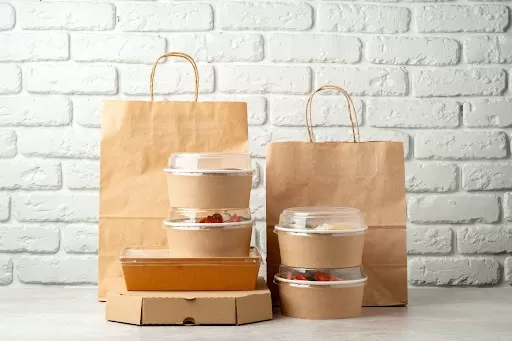
The choice of packaging material is central to ensuring safety and freshness. Common options include:
- Polyethylene (PE) and Polypropylene (PP) Films: Widely used for bags and wraps, these plastics are lightweight, moisture-resistant, and approved for direct food contact.
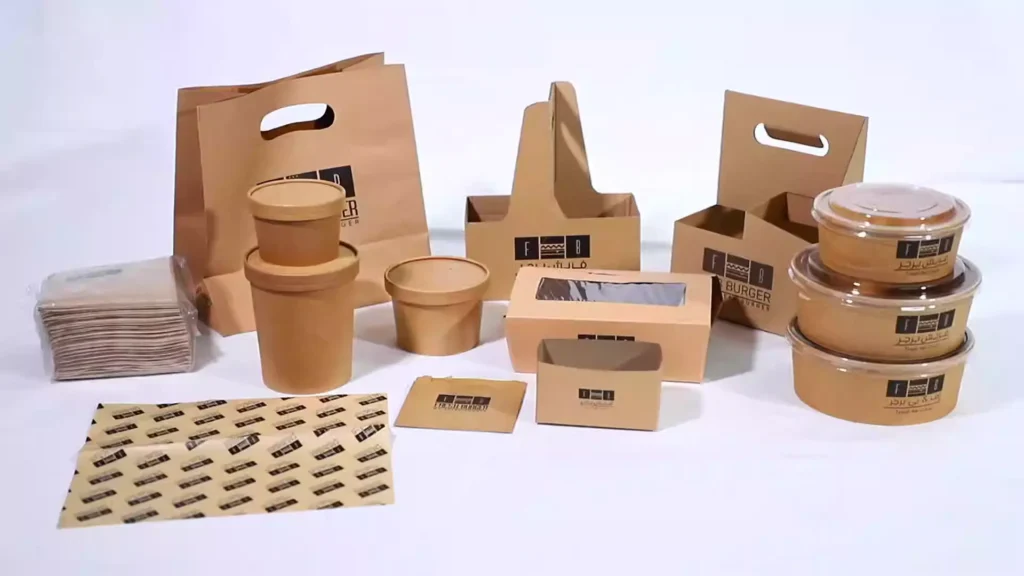
- Kraft Paper and Cardboard: Often used for cartons and trays, these materials are biodegradable and can be coated with food-safe barriers for added protection.
- Clamshell Containers: Made from PET or other food-grade plastics, clamshells offer visibility and ventilation, making them ideal for leafy greens and delicate produce.
- Compostable and Biodegradable Films: Increasingly popular for eco-conscious brands, these materials break down after use but must still meet food safety standards.
Regardless of the material, it’s essential that all packaging in contact with vegetables is certified as food-grade and free from harmful chemicals or contaminants.
Regulations and Standards for Food-Safe Vegetable Packaging
Packaging for fresh produce must comply with strict regulations to ensure consumer safety. In many regions, agencies like the FDA (U.S.), EFSA (Europe), and other national bodies set out requirements for materials, labeling, and hygiene.
Key standards include:
- Food Contact Approval: Materials must not transfer harmful substances to food under normal use.
- Traceability: Packaging must be traceable through the supply chain to facilitate recalls if necessary.
- Labeling: Information about the product, packaging material, and safety certifications should be clearly displayed.
For a detailed breakdown of what makes packaging food-grade and compliant, see this comprehensive guide to food-grade packaging requirements.
Best Practices for Handling and Using Vegetable Packaging
Even the best packaging materials can fail if not handled correctly. To maximize safety and freshness:
- Store packaging materials in clean, dry conditions away from chemicals or contaminants.
- Use gloves or sanitized hands when packing vegetables to avoid introducing bacteria.
- Avoid reusing single-use packaging unless it is specifically designed for multiple uses and properly sanitized.
- Monitor packaging for signs of damage, moisture, or pest intrusion before use.
Adhering to these practices helps maintain the integrity of both the packaging and the produce inside.
Trends in Sustainable and Eco-Friendly Vegetable Packaging
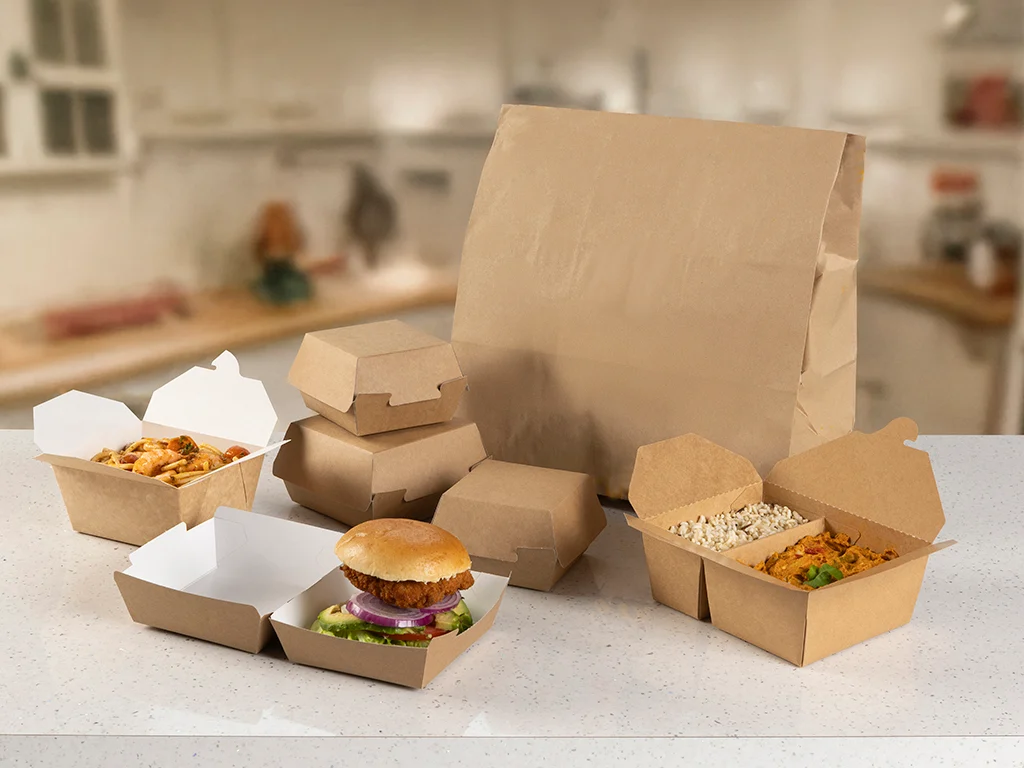
As environmental concerns grow, the industry is shifting toward sustainable solutions that balance safety with reduced environmental impact. Innovations include:
- Plant-based Plastics: Derived from renewable resources, these offer similar protection as traditional plastics but with a lower carbon footprint.
- Edible Coatings: Thin, food-safe layers applied directly to vegetables to reduce moisture loss and spoilage.
- Recyclable and Compostable Options: Packaging that can be easily recycled or composted after use, reducing landfill waste.
While these innovations are promising, it’s crucial that any new material or design still meets all food safety requirements before being adopted on a large scale.
Common Challenges and Solutions in Vegetable Packaging
Ensuring safe packaging for vegetables comes with its own set of challenges:
- Balancing Breathability and Protection: Some vegetables need airflow to stay fresh, while others require airtight seals to prevent spoilage.
- Cost vs. Safety: High-quality, food-safe materials can be more expensive, but cutting corners can lead to costly recalls or health risks.
- Supply Chain Complexity: Multiple handling points increase the risk of contamination, making traceability and hygiene protocols essential.
Addressing these issues requires collaboration across the supply chain, ongoing staff training, and investment in quality packaging solutions.
Frequently Asked Questions
What makes packaging food-safe for vegetables?
Food-safe packaging is made from materials that are certified for direct contact with food. These materials do not leach harmful chemicals, are produced under hygienic conditions, and comply with relevant food safety regulations.
Can I reuse vegetable packaging at home?
Reusing packaging is only recommended if the material is designed for multiple uses and can be thoroughly cleaned and sanitized. Single-use plastics or paper should not be reused for storing fresh produce.
Are biodegradable packaging materials always safe for food?
Not all biodegradable or compostable materials are automatically food-safe. They must be specifically tested and certified for food contact to ensure they do not transfer unwanted substances to vegetables.
How do I know if packaging is food-grade?
Look for certifications or markings indicating food contact approval, such as the glass and fork symbol, FDA or EFSA compliance, or specific food-grade labeling on the packaging.
Conclusion
Selecting the right food-safe packaging for vegetables is essential for protecting both consumers and business reputations. By understanding material choices, regulatory requirements, and best practices, stakeholders can ensure that fresh produce arrives safely and sustainably at its destination. As the industry evolves, staying informed about new materials and standards will help maintain the highest levels of quality and safety for everyone involved.