Choosing the right packaging for food products is a critical decision for manufacturers, retailers, and consumers alike. The materials and methods used to protect food directly impact safety, shelf life, regulatory compliance, and even brand reputation. Understanding the food-safe packaging pros and cons helps businesses navigate complex choices, while also informing consumers about the safety and sustainability of the products they buy.
This article explores the advantages and disadvantages of food-safe packaging, covering material types, safety standards, environmental considerations, and more. For a detailed comparison of different packaging materials, you may also want to review the food-safe packaging materials comparison guide.
Understanding Food-Safe Packaging Standards
Food packaging must meet strict regulatory standards to ensure it does not contaminate or alter the food it contains. These standards are set by agencies such as the FDA in the United States and the EFSA in Europe. Materials labeled as food-safe are tested for chemical migration, durability, and their ability to maintain food quality throughout storage and transport.
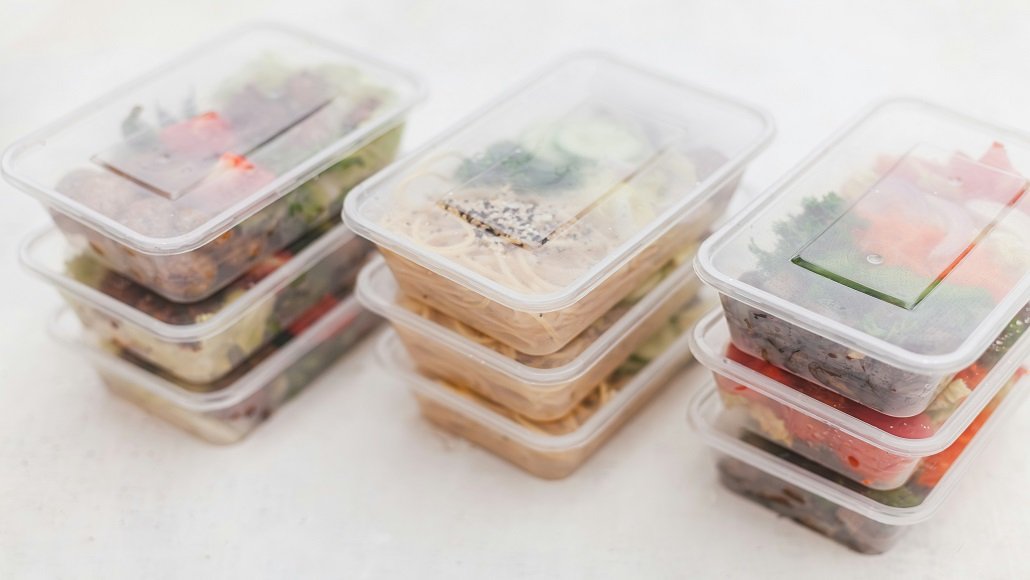
Common food-safe materials include certain plastics (like PET and HDPE), glass, stainless steel, paperboard with approved coatings, and some biodegradable options. Each material type has its own set of regulations and testing protocols to guarantee safety.
Key Advantages of Food-Safe Packaging
There are several notable benefits to using packaging designed for food contact. Here are some of the most important:
- Consumer Safety: The primary benefit is the assurance that packaging will not leach harmful chemicals into food, protecting consumer health.
- Compliance with Regulations: Using certified food-safe materials helps businesses avoid legal issues, recalls, and fines.
- Preservation of Freshness: Proper packaging extends shelf life by protecting food from moisture, oxygen, and contaminants.
- Brand Trust: Consumers are more likely to trust brands that prioritize safe, high-quality packaging.
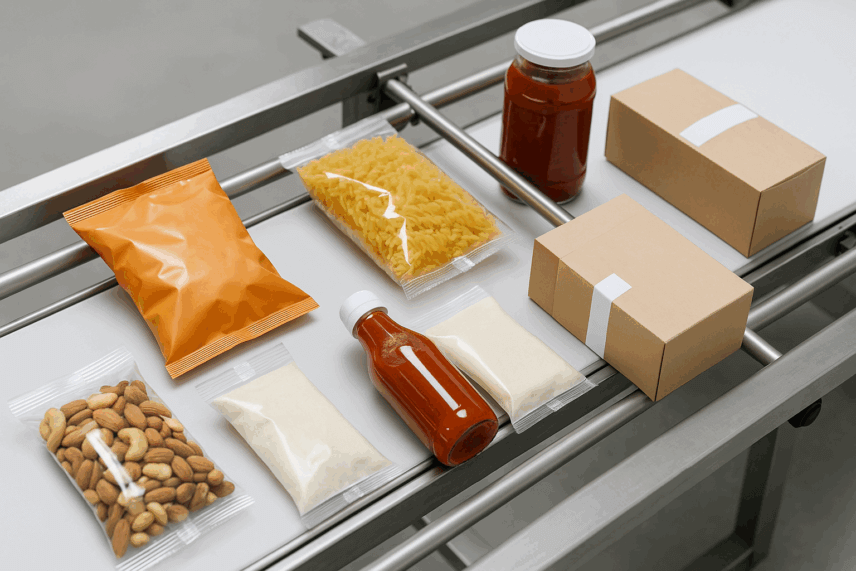
- Versatility: Food-safe packaging comes in a wide range of forms, from rigid containers to flexible films, suitable for various products.
Potential Drawbacks of Food-Safe Packaging
While the benefits are significant, there are also some disadvantages to consider when choosing food-safe packaging solutions:
- Cost: Certified food-safe materials and compliance testing can increase packaging costs, especially for small businesses.
- Environmental Impact: Many food-safe plastics are not biodegradable, contributing to landfill waste and pollution.
- Complexity in Recycling: Multi-layered or coated packaging can be difficult to recycle, even if individual components are recyclable.
- Supply Chain Challenges: Sourcing certified materials and maintaining compliance can complicate supply chains.
- Limited Material Options: Not all innovative or eco-friendly materials are approved for direct food contact, limiting choices.
Types of Food-Safe Packaging Materials
The choice of material plays a central role in both the benefits and limitations of food packaging. Here’s an overview of popular options:
- Plastics: PET, HDPE, LDPE, and polypropylene are widely used due to their durability and clarity. However, concerns about microplastics and recycling persist.
- Glass: Inert and fully recyclable, glass is ideal for products needing long shelf life but is heavier and more fragile.
- Metals: Aluminum and tinplate are common for cans and foils, offering excellent barrier properties but requiring energy-intensive production.
- Papers and Cardboards: Often used for dry foods, these materials require special coatings to be food-safe and moisture-resistant.
- Bioplastics and Compostables: Emerging options like PLA offer sustainability but may not always meet performance or regulatory standards.

Balancing Safety, Sustainability, and Cost
Businesses and consumers are increasingly aware of the need to balance food safety with environmental responsibility and cost-effectiveness. While food-safe packaging is essential for health and legal compliance, it can sometimes conflict with sustainability goals due to the use of plastics or complex materials.
Companies are exploring alternatives such as compostable films, recycled-content plastics, and innovative coatings to address these challenges. However, every alternative must still meet stringent safety requirements to ensure that food remains uncontaminated.
For those interested in the unique considerations for specific food categories, such as food-safe packaging for organic food or food-safe packaging for allergens, there are additional regulations and best practices to follow.
How to Choose the Right Food-Safe Packaging
Selecting the best packaging solution involves evaluating several factors:
- Product Type: Wet, dry, acidic, or fatty foods may require different materials and barrier properties.
- Distribution and Storage: Consider the temperature, humidity, and handling conditions the product will face.
- Regulatory Requirements: Ensure all materials are certified for food contact in the intended market.
- Environmental Goals: Weigh the benefits of recyclability, compostability, or reduced material use.
- Cost Constraints: Balance the need for safety and quality with budget realities.
For a deeper dive into the requirements and testing of food-grade packaging, see this comprehensive guide to food-grade packaging materials requirements.
Frequently Asked Questions
What makes packaging “food-safe”?
Packaging is considered food-safe when it is made from materials that do not transfer harmful substances to the food, are approved by relevant regulatory bodies, and have passed migration and durability tests. This ensures the food remains uncontaminated and safe for consumption.
Are all plastics suitable for food packaging?
No, only certain plastics such as PET, HDPE, and polypropylene are approved for food contact. These plastics are tested for chemical migration and must meet strict safety standards. Not all plastics are safe for direct contact with food, so always look for certification.
How can I tell if packaging is recyclable or compostable?
Look for recycling symbols, compostability certifications, or clear labeling on the packaging. However, even if a material is technically recyclable or compostable, local facilities may not accept all types. Check with your local waste management provider for specifics.
Does food-safe packaging guarantee allergen safety?
While food-safe packaging prevents chemical contamination, it does not automatically prevent cross-contact with allergens. For more on this topic, see the food-safe packaging allergen labeling resource.
Is there food-safe packaging suitable for vegan products?
Yes, there are packaging materials and coatings that are free from animal-derived substances. For those producing or purchasing vegan foods, it’s important to verify that the packaging meets vegan standards. Learn more in the food-safe packaging for vegan products article.