As environmental awareness grows, the food industry is experiencing a significant shift toward sustainable food-safe packaging. Consumers and regulators alike are demanding solutions that protect both the planet and public health. This movement is shaping how brands approach materials, design, and compliance, making it essential for businesses to stay informed about the latest developments in eco-friendly packaging that meets food safety standards.
Whether you’re a food producer, retailer, or packaging designer, understanding these trends is crucial for staying competitive and compliant. Alongside environmental considerations, packaging must also maintain product integrity and safety, ensuring that food reaches consumers in optimal condition. For those interested in related innovations in the printing and textiles sector, you may also find value in learning about what is soft hand feel in garment printing.
Why Sustainable Food-Safe Packaging Matters
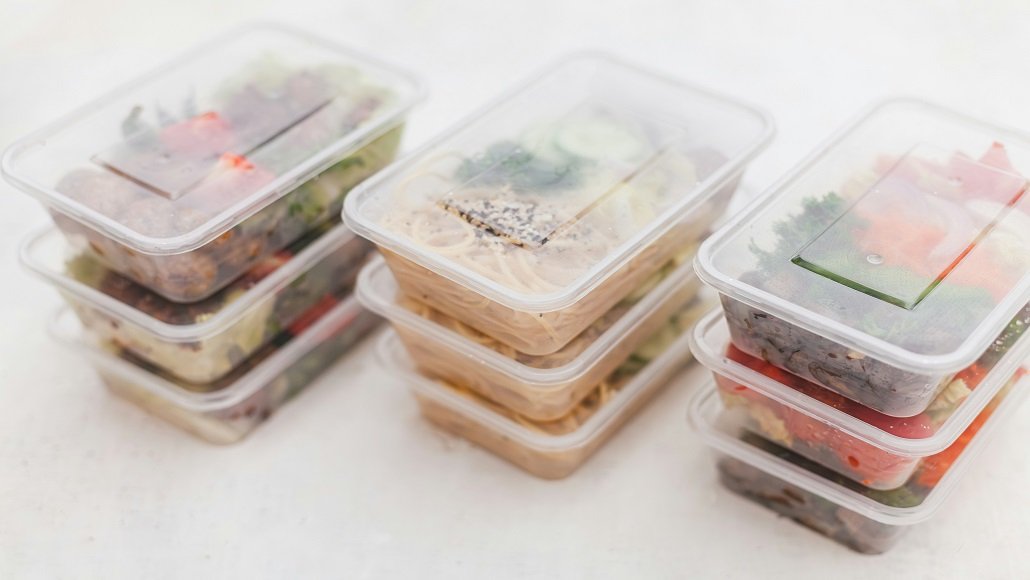
The global push for sustainability is transforming every aspect of the food supply chain. Packaging, in particular, plays a dual role: it must protect food from contamination while minimizing environmental impact. Traditional materials like plastics and foils, though effective at preserving freshness, often contribute to landfill waste and pollution. In contrast, eco-conscious alternatives are designed to be recyclable, compostable, or made from renewable resources, reducing their ecological footprint.
Food safety remains non-negotiable. Any packaging that comes into direct contact with food must meet strict regulatory standards to prevent chemical migration, contamination, or spoilage. The challenge lies in balancing these requirements with the need for environmental responsibility—a task that has spurred innovation across the industry.
Key Materials in Modern Eco-Friendly Packaging
The choice of materials is central to the evolution of sustainable food-safe packaging. Here are some of the most prominent options gaining traction:
- Bioplastics: Derived from renewable sources like corn starch or sugarcane, bioplastics can be compostable or biodegradable. They offer a lower carbon footprint compared to conventional plastics, though not all are suitable for direct food contact.
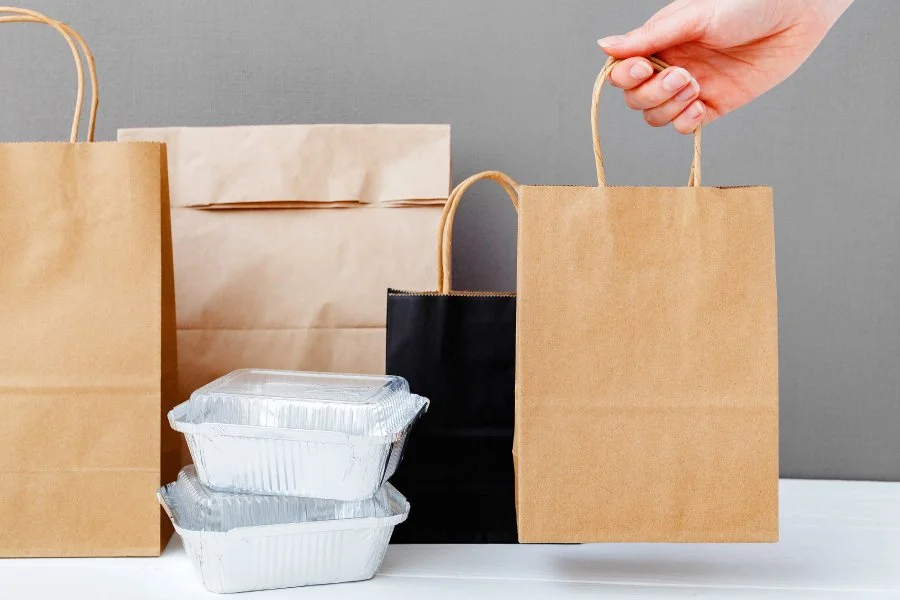
- Paper and Cardboard: Sourced from responsibly managed forests, these materials are widely recyclable and can be treated with food-safe coatings to enhance barrier properties.
- Plant-Based Films: Innovations in cellulose and seaweed-based films provide transparent, flexible packaging that is both compostable and safe for food.
- Reusable Containers: Metal, glass, and certain rigid plastics are being reimagined for reuse programs, reducing single-use waste while maintaining food safety.
Innovative Designs and Technologies
Beyond materials, design and technology are driving the next wave of eco-friendly food packaging. Brands are adopting minimalist designs to reduce material usage and exploring smart packaging that extends shelf life or improves traceability.
- Minimalist Packaging: Reducing layers and components not only cuts waste but also simplifies recycling.
- Active Packaging: Incorporates elements that absorb oxygen or moisture, helping to keep food fresher for longer without chemical preservatives.
- Edible Packaging: Some companies are experimenting with coatings and wrappers made from food-grade ingredients, eliminating waste entirely.
- Digital Tracking: QR codes and smart labels provide transparency about sourcing, recycling instructions, and shelf life, empowering consumers to make informed choices.
Regulations and Certifications for Food-Safe Solutions
Ensuring that packaging is both sustainable and food-safe requires compliance with a range of regulations. In the United States, the Food and Drug Administration (FDA) sets standards for materials that come into contact with food. The European Union has its own regulations, including the Framework Regulation (EC) No 1935/2004, which mandates that packaging must not transfer harmful substances to food.
Certifications such as FSC (Forest Stewardship Council) for paper products, and compostability standards like ASTM D6400 or EN 13432, help brands and consumers identify packaging that meets both environmental and safety criteria. For a deeper dive into the requirements for food-grade packaging, see this comprehensive overview of food-safe packaging regulations.
Benefits and Challenges of Adopting Eco-Conscious Packaging
The adoption of sustainable food-safe packaging brings several advantages:
- Brand Differentiation: Companies that prioritize eco-friendly solutions often enjoy enhanced consumer trust and loyalty.
- Regulatory Compliance: Staying ahead of evolving regulations reduces the risk of recalls or fines.
- Reduced Environmental Impact: Lower carbon emissions, less landfill waste, and decreased resource consumption benefit both businesses and communities.
However, there are also challenges to consider:
- Cost: Sustainable materials and certifications can be more expensive than traditional options.
- Performance: Some eco-friendly materials may not offer the same barrier properties or shelf life as conventional plastics.
- Infrastructure: Recycling and composting facilities may not be available in all regions, limiting the effectiveness of certain solutions.

How Brands Are Leading the Way
Many food companies are setting ambitious goals to reduce packaging waste and switch to renewable or recyclable materials. Some are partnering with suppliers to develop custom solutions, while others are joining industry coalitions to share best practices and drive systemic change. Transparency is also becoming a key differentiator, with brands openly communicating their packaging choices and sustainability commitments to consumers.
As more organizations adopt these practices, the industry as a whole moves closer to a circular economy—one in which resources are reused, recycled, or safely returned to the environment.
Looking Ahead: The Future of Eco-Friendly Food Packaging
The evolution of sustainable food-safe packaging is far from over. Ongoing research is focused on developing new materials with improved performance, expanding composting and recycling infrastructure, and creating packaging systems that are both user-friendly and environmentally responsible.
As consumer expectations continue to rise, brands that invest in innovation and transparency will be best positioned for long-term success. Staying informed about regulatory changes, technological advances, and shifting market demands will help businesses make strategic decisions that benefit both people and the planet.
Frequently Asked Questions
What makes packaging both sustainable and food-safe?
Packaging is considered sustainable when it is made from renewable, recyclable, or compostable materials and designed to minimize environmental impact. For it to be food-safe, it must also comply with regulatory standards that ensure no harmful substances migrate into the food, maintaining product safety and quality.
Are bioplastics a reliable alternative for food packaging?
Bioplastics can be a strong alternative, especially when sourced responsibly and certified for food contact. However, their performance varies depending on the application, and not all bioplastics are suitable for every type of food or packaging need. It’s important to verify both sustainability and safety certifications before use.
How can consumers identify eco-friendly food packaging?
Look for clear labeling such as FSC certification for paper products, compostability marks (like ASTM D6400 or EN 13432), and recycling symbols. Brands often provide additional information through QR codes or packaging details that explain the material’s environmental attributes and proper disposal methods.