The world of gastronomy is experiencing a significant shift as 3D food printing technology moves from experimental labs into commercial kitchens and even homes. This innovative approach is not just about creating visually striking dishes; it’s about reimagining how food is produced, personalized, and enjoyed. By using digital designs and edible ingredients, chefs and food technologists are unlocking new possibilities for creativity, nutrition, and efficiency.
As with other forms of additive manufacturing, this process builds up food layer by layer, allowing for unprecedented control over shape, texture, and composition. The impact reaches far beyond fine dining, influencing sectors like healthcare, education, and sustainable food production. If you’re interested in how emerging printing methods are changing other industries, you might also want to explore what is soft hand feel in garment printing for a look at textile innovation.
How 3D Printing Is Reshaping Food Preparation
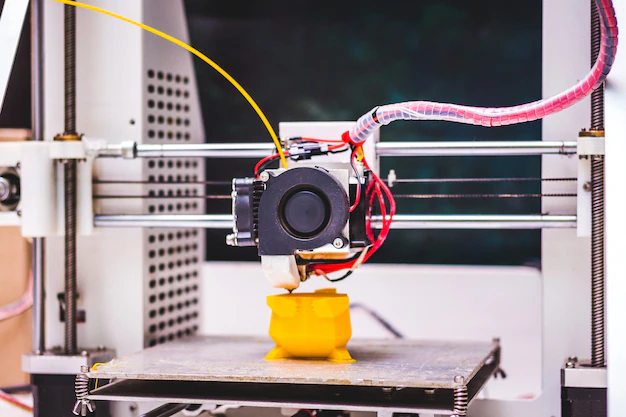
At its core, 3D food printing technology adapts the principles of traditional 3D printing to edible materials. Instead of plastics or metals, these printers use food pastes, purees, doughs, or gels as their “ink.” The process involves loading a digital model into the printer, which then deposits the chosen ingredients in precise layers to create intricate shapes and textures.
This approach offers several advantages:
- Customization: Recipes can be tailored to individual dietary needs or preferences, from nutrient content to flavor combinations.
- Consistency: Automated production ensures each item is identical, which is especially valuable for large-scale catering or food service.
- Reduced Waste: Ingredients are used efficiently, minimizing leftovers and promoting sustainability.
- Complex Designs: Chefs can create structures and presentations that would be impossible or extremely time-consuming by hand.
For a deeper understanding of how additive manufacturing works in general, you can visit this comprehensive guide to 3D printing.
Applications and Innovations in Edible 3D Printing
The versatility of 3D food printing is being harnessed in a variety of settings. High-end restaurants use it to craft artistic desserts and appetizers, while hospitals and care facilities are exploring its potential to produce easy-to-swallow meals for patients with special dietary requirements. Educational institutions are incorporating this technology into STEM programs, helping students learn about engineering, nutrition, and design.
Some notable applications include:
- Personalized Nutrition: Printers can adjust recipes for specific macronutrient profiles, allergens, or calorie counts.
- Food Sustainability: Alternative proteins like insect flour or algae can be incorporated into appealing, familiar shapes.
- Creative Presentation: Chefs can design edible sculptures, intricate garnishes, or themed treats for special occasions.
- Prototyping and Testing: Food companies use 3D printing to quickly prototype new products or packaging concepts before mass production.
Key Components and Workflow of Modern Food Printers
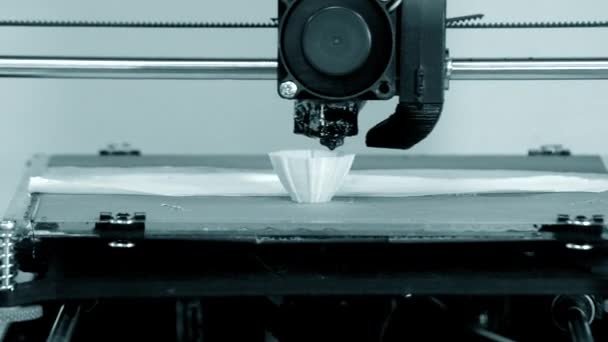
Understanding the mechanics behind 3D food printing technology helps clarify its potential and current limitations. Most food printers share several core components:
- Extruder: This is the nozzle that deposits edible material, similar to how a piping bag works in baking.
- Ingredient Cartridges: These hold the food pastes or gels, which can be swapped out for different recipes or colors.
- Heated Bed or Chamber: Some models include temperature controls to keep ingredients at the right consistency for printing.
- Digital Interface: Users upload 3D models or select pre-designed templates, adjusting parameters like portion size or ingredient ratios.
The workflow typically involves preparing the food mixture, loading it into the printer, selecting or designing the desired shape, and then starting the print. Depending on the complexity, prints can take anywhere from a few minutes to over an hour. After printing, some foods may require finishing steps like baking or chilling.
Challenges and Future Prospects for Edible 3D Printing
While the promise of 3D food printing is exciting, there are still hurdles to overcome before it becomes mainstream. Ingredient compatibility is a major factor; not all foods can be easily extruded or hold their shape after printing. Texture and flavor can also be affected by the printing process, requiring careful recipe development.
Cost is another consideration. While prices are gradually decreasing, most consumer-grade food printers are still a significant investment. Additionally, there’s a learning curve for both chefs and home users to master the software and hardware.
Despite these challenges, the technology continues to advance rapidly. Improvements in printer design, ingredient formulation, and digital modeling are making it more accessible and versatile. As sustainability and personalization become more important in the food industry, the role of digital fabrication is expected to grow.
For those interested in how digital production models are changing other sectors, the benefits of micro-factory models for fashion printing offer another perspective on localized, on-demand manufacturing.
Frequently Asked Questions
What types of foods can be made with 3D food printers?
Most current devices work best with foods that can be pureed or formed into pastes, such as chocolate, dough, cheese, mashed vegetables, and certain proteins. Some advanced models can handle multiple ingredients or even cook food during the printing process.
Is 3D printed food safe to eat?
Yes, as long as the printer is cleaned properly and only food-safe materials are used. Many commercial printers are designed to meet food safety standards, and the ingredients are the same as those used in traditional cooking.
How does 3D food printing impact sustainability?
By allowing precise portion control and reducing ingredient waste, this technology can support more sustainable food production. It also enables the use of alternative proteins and local ingredients, which can help lower the environmental footprint of food manufacturing.
Conclusion: The Ongoing Evolution of Culinary Design
The adoption of 3D food printing technology is opening up new creative and practical avenues for chefs, food manufacturers, and consumers alike. From personalized nutrition to visually stunning presentations, the possibilities are expanding as the technology matures. While there are still technical and economic barriers, ongoing innovation suggests a future where digital fabrication is a routine part of the kitchen.
As with any emerging technology, staying informed and experimenting with new tools can provide a competitive edge. Whether you’re a professional chef, a food scientist, or simply curious about the future of food, keeping an eye on developments in this space will be worthwhile.