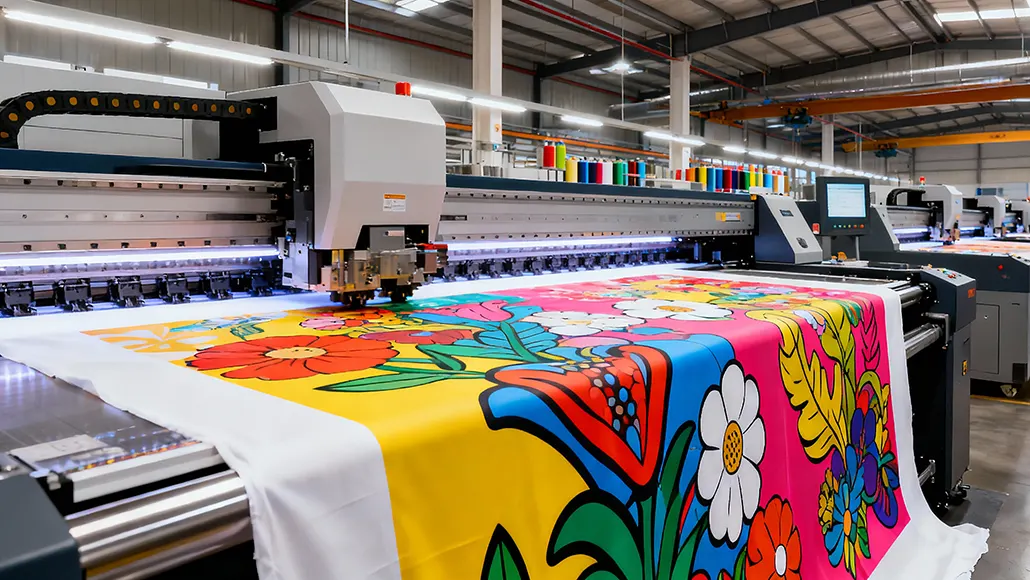
Tie-dye, once associated primarily with DIY projects and retro fashion, has evolved into a sophisticated method for creating unique, high-quality textile prints. Today, many professional printers and fashion brands are exploring how to use tie-dye as a printing technique to deliver distinctive, eye-catching designs that stand out in a crowded market. This guide explores the practical steps, technical considerations, and creative opportunities involved in integrating tie-dye into professional garment production.
Understanding the nuances of this method can help businesses and print professionals achieve consistent results, whether working with small batches or scaling up for larger runs. Before diving into the technical process, it’s helpful to consider how tie-dye compares to other printing methods in terms of feel, durability, and design potential. For those interested in the tactile qualities of printed garments, our article on what is soft hand feel in garment printing offers valuable insights into achieving the perfect finish.
Modern Approaches to Tie-Dye in Professional Printing
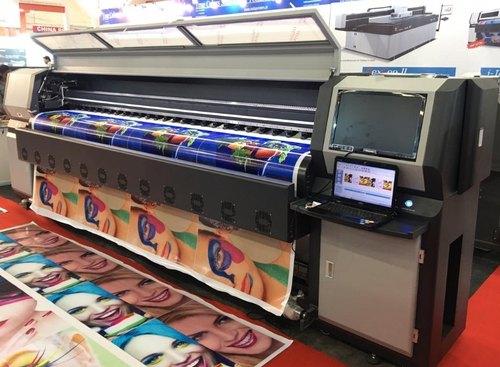
While traditional tie-dye relies on manual folding, twisting, and binding, today’s professional printers often blend these classic techniques with advanced technologies. The goal is to achieve the organic, unpredictable beauty of tie-dye while maintaining control over color placement, repeatability, and fabric integrity.
Some commercial operations use automated folding machines or digital pattern mapping to standardize the tie-dye effect. Others combine hand-dyeing with digital textile printing, allowing for hybrid designs that merge analog and digital aesthetics. This flexibility makes tie-dye a compelling option for brands seeking both authenticity and scalability.
Key Steps for Using Tie-Dye as a Printing Technique
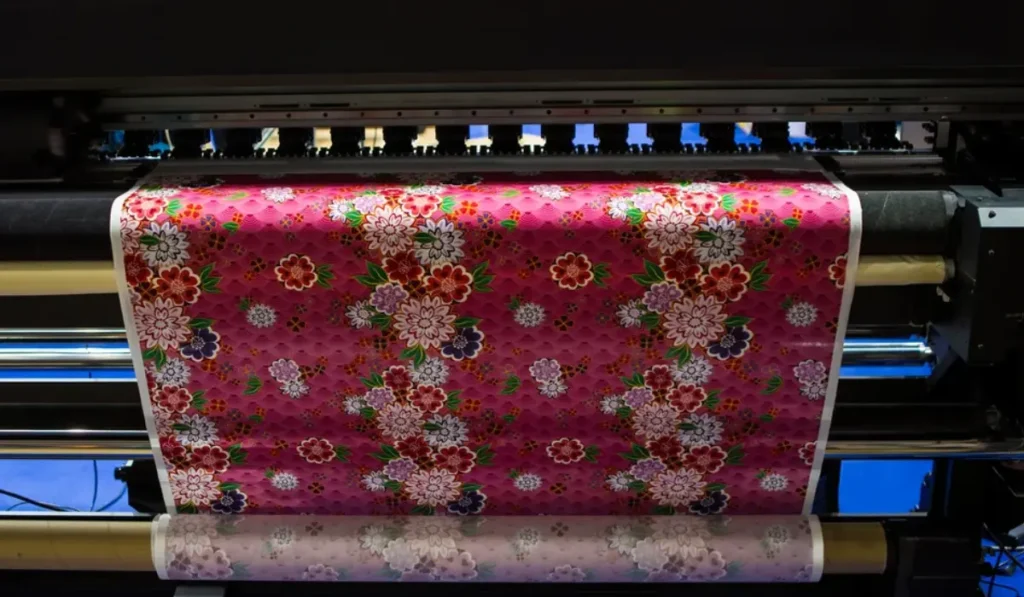
To successfully incorporate tie-dye into a professional printing workflow, it’s important to follow a structured process. Here’s a breakdown of the essential stages:
- Fabric Selection: Choose natural fibers such as cotton, rayon, or silk for best dye absorption. Pre-treat the fabric to remove sizing and ensure even color uptake.
- Design Planning: Decide whether to use classic tie-dye patterns (spirals, stripes, bullseyes) or custom layouts. For consistent results across multiple pieces, document folding and binding techniques.
- Preparation and Binding: Fold, twist, or pleat the fabric according to the desired pattern. Secure with rubber bands, string, or clamps. In a professional setting, templates or guides may be used to standardize this step.
- Dye Application: Apply fiber-reactive dyes using squeeze bottles, spray guns, or immersion baths. Control dye placement for repeatable effects, and consider using color barriers or resist pastes for sharper lines.
- Setting and Rinsing: Allow the dye to react and set, usually for several hours. Rinse thoroughly to remove excess dye, then wash and dry according to fabric requirements.
- Quality Control: Inspect each piece for color consistency, pattern accuracy, and fabric integrity. Adjust techniques as needed for future runs.
By following these steps, print professionals can achieve vibrant, durable tie-dye effects suitable for retail and high-volume production.
Integrating Tie-Dye with Digital Printing Technologies
One of the most exciting developments in textile decoration is the fusion of tie-dye with digital printing. This approach allows for the creation of tie-dye-inspired graphics that can be reproduced with precision, or for the overlay of digital motifs onto hand-dyed backgrounds. The result is a hybrid aesthetic that combines the spontaneity of traditional dyeing with the control and scalability of modern printing.
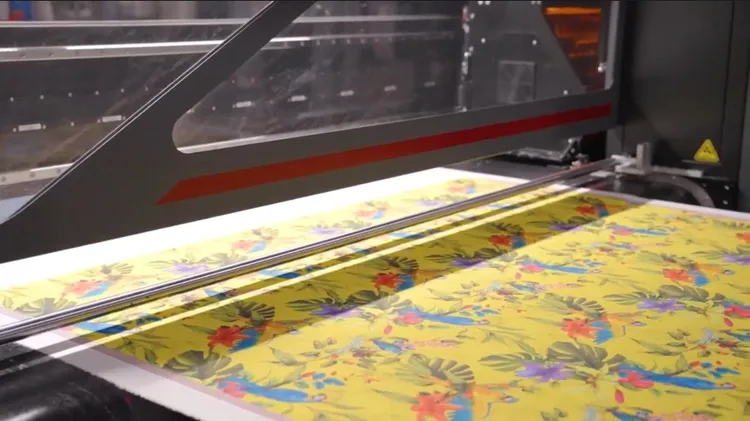
For businesses interested in sustainable and efficient production, digital tie-dye offers several advantages:
- Reduced water and chemical usage compared to traditional dye baths
- Consistent results across large batches
- Ability to quickly prototype and adjust designs
- Integration with other digital processes, such as direct-to-garment or sublimation printing
To learn more about the environmental and operational benefits of digital textile printing, see this in-depth look at digital textile printing sustainability.
Best Practices for Consistency and Quality
Achieving professional results with tie-dye requires attention to detail and a willingness to experiment. Here are some best practices for those looking to master this approach:
- Standardize Your Process: Document every step, from folding patterns to dye recipes. This ensures repeatability, especially when producing collections or fulfilling large orders.
- Test and Calibrate: Conduct small test runs before full-scale production. Adjust dye concentrations, application methods, and setting times to achieve the desired effect.
- Invest in Quality Materials: Use professional-grade dyes and pre-treated fabrics. The quality of your inputs will directly impact the vibrancy and durability of the finished product.
- Monitor Environmental Impact: Implement water recycling and safe disposal practices. Consider digital alternatives to reduce resource consumption.
By following these guidelines, professionals can offer tie-dye products that meet the expectations of today’s discerning consumers.
Comparing Tie-Dye to Other Printing Methods
When evaluating how to use tie-dye as a printing technique in a commercial setting, it’s helpful to compare it with other popular methods:
| Technique | Pros | Cons | Best For |
|---|---|---|---|
| Tie-Dye | Unique patterns, vibrant colors, artisan appeal | Less precise, harder to replicate exactly | Fashion, limited editions, custom pieces |
| Screen Printing | Sharp lines, scalable, cost-effective for large runs | Limited to flat graphics, setup time | Logos, promotional apparel |
| Digital Printing | Photo-realistic images, fast prototyping, eco-friendly options | May require pre-treatment, higher cost for small runs | Complex graphics, short runs, on-demand |
Each method has its place, but tie-dye stands out for its ability to deliver one-of-a-kind results and a handcrafted feel.
Applications and Trends in Professional Tie-Dye Printing
Modern brands are using tie-dye in a variety of innovative ways. From high-fashion collections to streetwear collaborations, the technique is being reimagined for today’s market. Some designers use tie-dye as a base layer, printing logos or graphics on top, while others incorporate it into accessories, home textiles, and even footwear.
Micro-factory models and on-demand production are making it easier to offer custom tie-dye options without excess inventory. For more on this approach, see our article on the benefits of micro-factory models for fashion printing.
Frequently Asked Questions
Is tie-dye suitable for large-scale production?
Yes, with the right equipment and process controls, tie-dye can be adapted for batch production. Automated folding, standardized dye application, and digital enhancements all help maintain consistency across larger runs.
How does tie-dye compare to digital textile printing in terms of sustainability?
Traditional tie-dye can use significant water and chemicals, but many modern operations are adopting eco-friendly dyes and water recycling. Digital tie-dye techniques further reduce environmental impact by minimizing waste and resource use.
Can tie-dye be combined with other printing techniques?
Absolutely. Many professionals overlay screen prints or digital graphics onto tie-dyed fabrics, creating layered designs that blend the best of both worlds. This hybrid approach is popular in contemporary fashion and branding.