Screen printing has become a go-to method for customizing bags, offering both durability and vibrant results. Whether you’re a hobbyist, a small business owner, or an experienced printmaker, exploring innovative approaches can take your bag designs to the next level. This article covers fundamental and creative screen printing techniques for bags, compares them with other popular methods, and provides practical advice for achieving professional results.
Understanding the Basics of Screen Printing on Bags
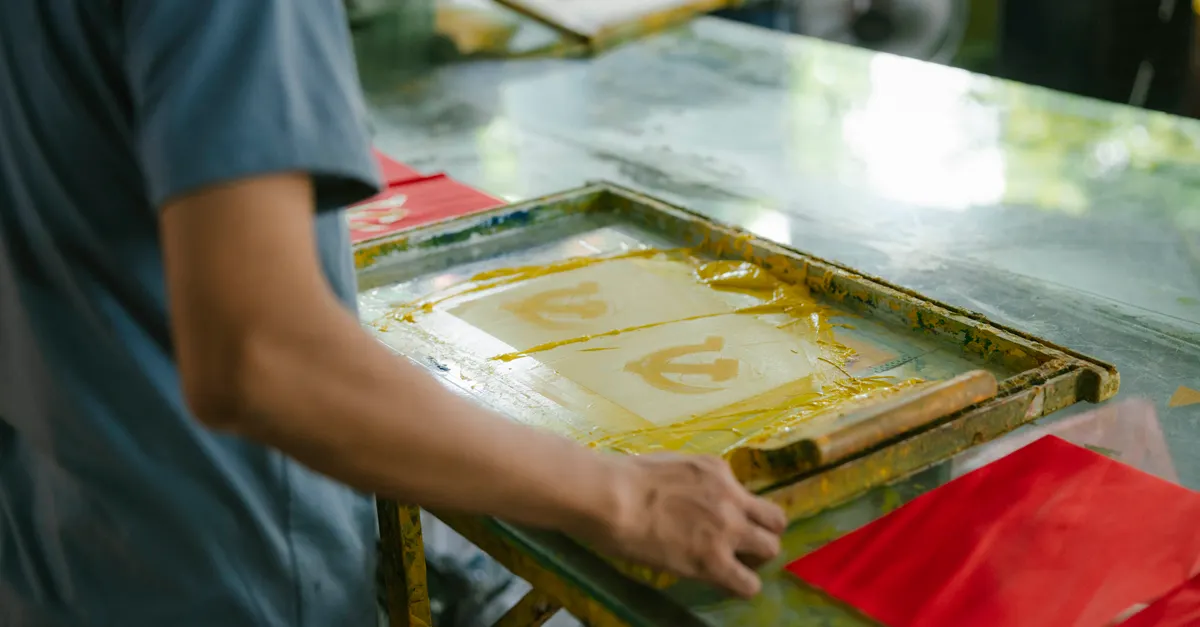
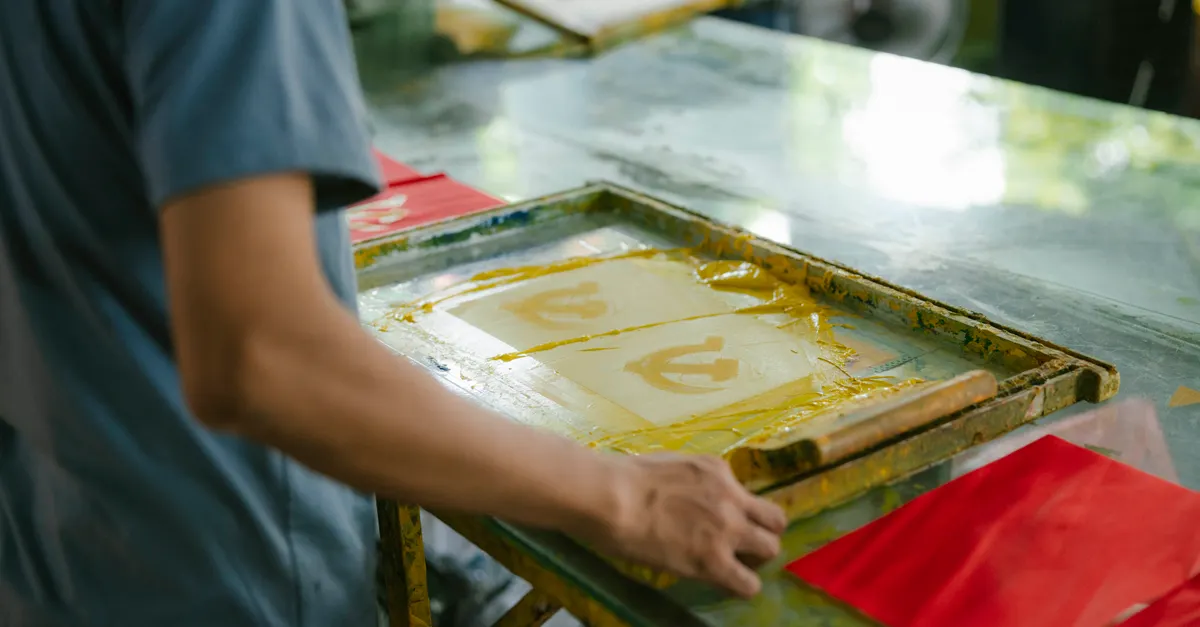
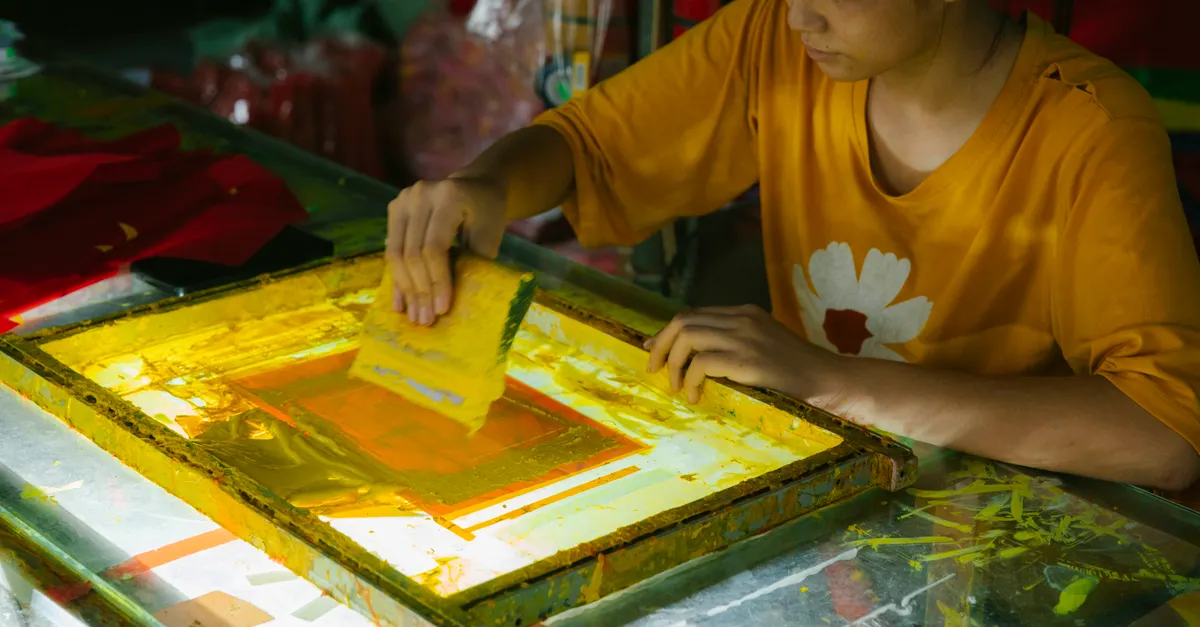
At its core, screen printing is a process where ink is pushed through a mesh stencil (screen) onto a substrate—in this case, bags. The technique is especially popular for tote bags and canvas bags due to its ability to produce bold, long-lasting prints. The process is valued for its cost-effectiveness, particularly for bulk orders, and its ability to handle simple logos and designs with ease.
To get started, you’ll need some essential equipment:
- Screen and mesh stencil: The screen holds the stencil of your design, allowing ink to pass through open areas.
- Squeegee: Used to evenly push ink across the screen and onto the bag’s surface.
- Inks: Plastisol inks are commonly used for their opacity and durability, but water-based inks can offer a softer feel.
- Printing press or frame: Helps keep the screen steady and ensures consistent pressure.
- Drying equipment: A heat press or conveyor dryer cures the ink, making the print wash-resistant.
The basic steps for screen printing on bags are:
- Prepare your artwork and transfer it to a mesh screen using a light-sensitive emulsion.
- Secure the bag on the printing surface to prevent movement.
- Align the screen over the bag and apply ink using the squeegee.
- Carefully lift the screen and inspect the print.
- Cure the ink using heat to ensure durability.
For a more in-depth look at printing on accessories, you may find the Guide to Screen Printing onto Accessories helpful, as it covers hats, bags, and more.
Innovative Approaches: Creative Screen Printing Techniques for Bags
While traditional methods are effective, creative techniques can set your bag designs apart. Here are several approaches that go beyond the basics:
1. Multi-Layered Color Effects
Experimenting with multiple screens and colors allows you to create complex, layered designs. By carefully registering each layer, you can achieve gradients, shadows, or even a simulated 3D effect. This technique is especially striking on cotton canvas and tote bags, as the fabric absorbs and displays color vibrantly.
2. Split Fountain Printing
This method involves blending two or more ink colors directly on the screen, resulting in a beautiful gradient or ombré effect. It’s a popular choice for artistic designs and can make each print unique, as the blend will vary slightly with each pull of the squeegee.
3. Discharge and Water-Based Inks
Discharge inks remove the bag’s original dye and replace it with a new color, producing soft, vintage-style prints. Water-based inks, on the other hand, soak into the fibers for a softer hand feel and are ideal for eco-friendly projects. Both methods work well on natural fibers like cotton and canvas.
4. Metallic and Specialty Inks
Adding metallic, glitter, or puff inks can introduce texture and shine to your designs. Puff inks expand when heated, creating a raised, tactile effect, while metallics catch the light and add a premium touch. These specialty inks are best used for accent elements or to highlight specific parts of a design.
5. Overprinting and Textural Effects
Overprinting involves printing one color over another, creating new hues and visual depth. You can also experiment with textured screens or add elements like foil for a mixed-media look. This approach is ideal for limited-edition runs or artistic collaborations.
Materials and Preparation: Setting Up for Success
The choice of bag material significantly impacts the final result. Cotton canvas and other natural fibers are preferred for their absorbency and compatibility with most inks. Synthetic fabrics may require specific ink formulations or pretreatment to ensure proper adhesion.
Proper preparation is crucial. Make sure bags are clean, lint-free, and laid flat. Pre-washing can help remove sizing or chemicals that might interfere with ink bonding. When working with dark-colored bags, using an underbase layer of white ink can help colors appear more vibrant and opaque.
If you’re interested in more advanced preparation techniques, such as prepping vector files or understanding mesh counts, resources like the screen printing color mixing guide can provide valuable insights.
Comparing Screen Printing with Digital and DTF Methods
Screen printing isn’t the only option for customizing bags. Digital printing and DTF (Direct-to-Film) have become increasingly popular, each with its own strengths and limitations.
- Screen Printing: Best suited for bulk orders and simple designs, this method is known for its durability and cost-effectiveness. It excels at producing bold, opaque prints, especially on natural fabrics. However, it requires more setup time and is less efficient for highly detailed or multi-color images in small runs.
- Digital Printing: This method prints designs directly onto the bag using inkjet technology. It’s ideal for complex, full-color artwork and short runs, as there’s minimal setup. The prints are generally softer but may not be as durable as screen prints, especially on heavy-use items.
- DTF (Direct-to-Film): DTF involves printing a design onto a special film, then transferring it to the bag with heat. It offers excellent detail and color vibrancy, and works well on a variety of materials. However, the feel of the print can be thicker, and long-term durability may vary depending on the substrate and wash conditions.
When choosing a method, consider the design complexity, order size, material, and desired durability. For simple logos and large batches, screen printing techniques for bags remain the industry standard. For photographic images or small custom runs, digital or DTF may be more practical.
Common Challenges and Troubleshooting in Bag Printing
Printing on bags presents unique challenges compared to flat garments. Here are some common issues and how to address them:
- Ink Bleeding: This can occur if too much ink is applied or if the fabric is too absorbent. Use the correct mesh count and adjust squeegee pressure to control ink flow.
- Registration Problems: Bags can shift during printing, causing misaligned layers. Use a platen or adhesive spray to keep the bag in place, and double-check alignment before each print.
- Inconsistent Prints: Variations in bag thickness or seams can affect print quality. Choose bags with consistent construction and avoid printing over seams or zippers whenever possible.
- Ink Adhesion: Some synthetic materials resist ink. Test inks on a sample bag and consider using an adhesion promoter or switching to inks formulated for synthetics.
For those working with dark-colored bags, special considerations apply. Techniques for screen printing on dark fabrics can help ensure your prints remain vibrant and long-lasting.
Conclusion: Embracing Creativity in Bag Printing
Exploring creative screen printing techniques for bags opens up endless possibilities for unique, eye-catching designs. By mastering both foundational and advanced methods, you can produce bags that stand out in quality and artistry. Whether you’re experimenting with specialty inks, layering colors, or trying new materials, the key is to keep innovating and refining your process. As the world of custom accessories continues to grow, those who embrace creativity and craftsmanship will set their work apart.
Frequently Asked Questions
What types of bags are best suited for screen printing?
Natural fiber bags like cotton canvas and tote bags are ideal, as they absorb ink well and produce vibrant, durable prints. Synthetic bags can also be printed, but may require special inks or pretreatment for best results.
How do I prevent ink from bleeding on fabric bags?
To avoid ink bleeding, use the correct mesh count for your design, apply even squeegee pressure, and avoid overloading the screen with ink. Pre-washing bags and ensuring they are free of sizing agents can also help.
Can I use screen printing for detailed, multi-color designs?
Yes, but it requires precise registration and multiple screens—one for each color. For highly detailed or photographic images, digital printing or DTF may be more efficient, especially for small runs.