Color mixing is a fundamental skill for anyone involved in screen printing. Achieving the right hue, shade, and consistency can make the difference between a vibrant, professional print and a disappointing result. Whether you’re a hobbyist or a professional printer, understanding how to blend inks, use mixing systems, and troubleshoot common issues is essential for producing consistent, high-quality prints. This screen printing color mixing guide explores the principles, tools, and techniques that will help you master the art of ink blending for your next project.
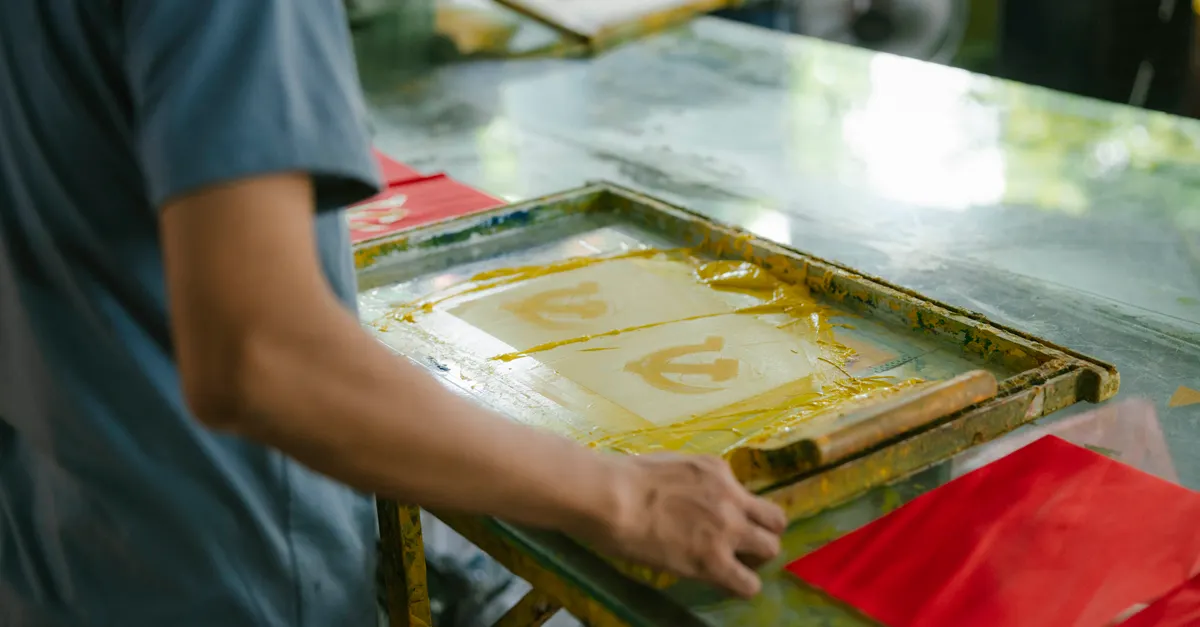
The Role of the Pantone Matching System in Screen Printing
One of the most important aspects of color mixing in screen printing is the use of the Pantone Matching System (PMS). This system provides a standardized palette of colors, each with a unique code, allowing printers and designers to communicate exact color requirements regardless of the equipment or ink brand used. In practice, PMS is invaluable for ensuring brand consistency, especially when printing logos or corporate materials.
Ink mixing systems designed for screen printing often rely on Pantone formulas. By following precise measurements of base inks, printers can reproduce thousands of colors with remarkable accuracy. This approach minimizes guesswork and helps maintain consistency across different print runs. For example, if a client requests a specific Pantone color for a reprint months later, the same formula can be used to achieve an identical result, provided the same ink bases and mixing procedures are followed.
Many modern ink mixing systems, such as those from FN-INK or Screen Print Direct, come with software or printed guides that list the exact ratios needed to mix a Pantone color. This not only saves time but also reduces waste and increases confidence in the final print outcome.
Essential Tools and Equipment for Ink Mixing
Achieving precise and repeatable color results in screen printing depends heavily on having the right tools. Here are the key items every printer should have for effective ink mixing:
- Mixing containers: Use clean, airtight containers made of plastic or glass to prevent contamination and evaporation. Graduated containers help measure ink volumes accurately.
- Spatulas and mixing sticks: Sturdy, flat spatulas (plastic or metal) are ideal for thoroughly blending inks and scraping containers clean.
- Digital scale: Accurate weighing is crucial for following Pantone or custom formulas. A scale with at least 0.1-gram precision is recommended.
- Ink mixing system: This can be a set of base inks and a guide or software for mixing Pantone or custom colors. Many systems are available for both plastisol and water-based inks.
- Test materials: Keep scrap fabric or test pellons on hand to check color accuracy before running a full print job.
Having these tools organized and dedicated to ink mixing helps prevent cross-contamination and ensures that colors remain pure and consistent from batch to batch.
Step-by-Step Process for Mixing Screen Printing Inks
Mixing inks for screen printing is a process that rewards attention to detail. Here’s a practical approach to achieving the right color and consistency:
- Review the formula: Start with a Pantone or custom color formula, noting the required amounts of each base ink.
- Weigh the inks: Place your mixing container on the digital scale and tare it to zero. Add each base ink by weight, following the formula precisely.
- Mix thoroughly: Use a spatula to blend the inks until the color is uniform. Scrape the sides and bottom of the container to ensure complete mixing.
- Check consistency: The consistency and viscosity of the ink are crucial for print quality. If the ink is too thick, it may not pass through the screen evenly; if too thin, it can bleed or lose opacity. Adjust with the appropriate modifiers recommended by the ink manufacturer.
- Test print: Apply a small amount of the mixed ink to a scrap fabric or test pellon. Cure and inspect the print for color accuracy, opacity, and smoothness.
- Adjust as needed: If the color is off, make small adjustments by adding more of the necessary base ink, mixing thoroughly, and retesting.
Maintaining detailed notes for each mix, including weights and any adjustments, helps ensure repeatability for future projects. Remember, ink consistency is just as important as color accuracy—smooth, well-mixed ink produces the best results on press.
Mixing Plastisol vs. Water-Based Inks: Key Differences
One of the most overlooked aspects of color mixing in screen printing is the difference between plastisol and water-based inks. While both can be mixed to match Pantone colors, their properties and handling requirements differ significantly.
Plastisol Ink Mixing
Plastisol inks are PVC-based and do not dry out in the container, making them forgiving for beginners and professionals alike. They are thick, opaque, and ideal for vibrant prints on dark fabrics. When mixing plastisol:
- Follow Pantone or manufacturer formulas precisely for consistent results.
- Adjust viscosity with curable reducers if needed, but avoid over-thinning, which can affect opacity and curing.
- Plastisol is less sensitive to environmental conditions, so color and consistency remain stable during mixing and printing.
Water-Based Ink Mixing
Water-based inks use water as a solvent, resulting in a softer feel and eco-friendly profile. However, they dry quickly, even in the screen, and can be more challenging to mix and print:
- Mix quickly and keep containers sealed to prevent premature drying.
- Use distilled water or manufacturer-approved thinners to adjust viscosity as needed.
- Test prints are essential, as water-based inks can appear lighter when wet and darken as they dry and cure.
- Environmental factors like humidity and temperature can affect drying and color appearance.
Both ink types can utilize the same Pantone-based mixing systems, but the approach to handling, adjusting, and storing the inks is different. Understanding these differences is key to achieving reliable, high-quality results with either ink.
Common Mistakes in Color Mixing and How to Avoid Them
Even experienced printers can encounter challenges when mixing colors. Here are some frequent pitfalls and tips for avoiding them:
- Inaccurate measurements: Always use a digital scale and follow formulas precisely. Eyeballing ink amounts leads to inconsistent results.
- Incomplete mixing: Failing to blend inks thoroughly can result in streaks or uneven color. Mix until the color is completely uniform.
- Ignoring ink consistency: Overlooking viscosity adjustments can cause printing issues. Test the ink’s flow and adjust as needed for your screen mesh and printing conditions.
- Cross-contamination: Using dirty tools or containers can introduce unwanted colors. Clean all equipment thoroughly between mixes.
- Skipping test prints: Always perform a test print before starting a production run. This helps catch color or consistency issues early.
For those working with specialty fabrics, such as dark garments, additional adjustments may be necessary. Techniques for screen printing on dark fabrics often require more opaque inks or underbase layers, which can affect how colors appear and mix.
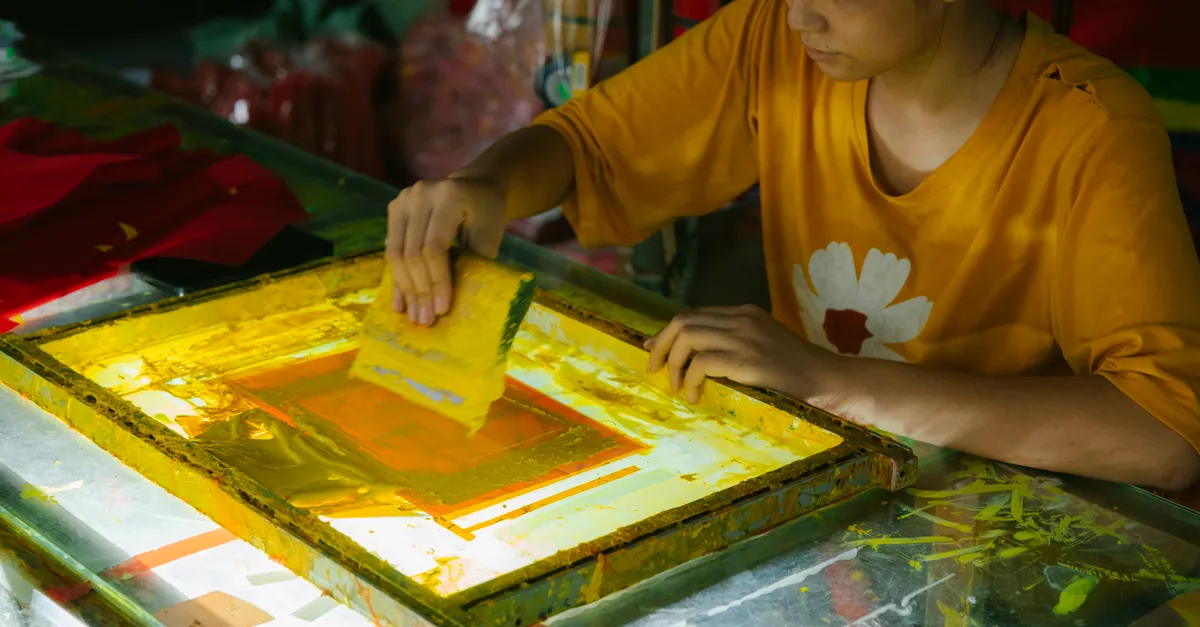
Conclusion: Mastering Color Mixing for Consistent Results
Developing expertise in ink blending is a crucial step toward producing professional-quality screen prints. By understanding the Pantone Matching System, using the right tools, following precise mixing steps, and recognizing the unique requirements of plastisol and water-based inks, printers can achieve consistent, vibrant results. Avoiding common mistakes and maintaining careful records further ensures that each project meets expectations. With practice and attention to detail, anyone can master the art of color mixing for screen printing.
Frequently Asked Questions
What is the Pantone Matching System and why is it important for screen printing?
The Pantone Matching System is a universal color standard that allows printers and designers to communicate exact color specifications. In screen printing, it ensures that colors are consistent across different jobs, materials, and print runs by providing precise mixing formulas for thousands of colors.
Can I use the same mixing process for both plastisol and water-based inks?
While the basic principles of measuring and blending inks are similar, plastisol and water-based inks have different properties. Plastisol is more forgiving and stable, while water-based ink dries quickly and may require faster mixing and more careful handling. Always follow manufacturer recommendations for each ink type.
How do I fix a color that doesn’t match my target after mixing?
If your mixed ink doesn’t match the desired color, make small adjustments by adding more of the appropriate base ink, mixing thoroughly, and testing again. Keep notes of any changes for future reference. Always test on the actual substrate you’ll be printing on, as colors can appear differently on various materials.