The use of polyethylene food-safe packaging has become a standard in the food industry, valued for its versatility, safety, and cost-effectiveness. Whether you’re a manufacturer, food service provider, or consumer, understanding the properties and benefits of this packaging material can help you make informed choices about food storage and safety. This article explores what makes polyethylene suitable for food contact, how it’s regulated, and why it’s so widely adopted for protecting everything from fresh produce to takeout meals.
For those interested in how packaging materials relate to other printing and manufacturing processes, you may also want to learn about what is soft hand feel in garment printing and how it impacts product quality.
What Is Polyethylene and Why Is It Used for Food Packaging?
Polyethylene is a type of plastic polymer made from ethylene, a compound derived from petroleum or natural gas. Its chemical structure gives it flexibility, durability, and resistance to moisture, making it ideal for packaging applications. There are several forms of polyethylene, but the two most common in food packaging are:
- Low-Density Polyethylene (LDPE): Known for its flexibility and clarity, LDPE is often used for plastic bags, bread bags, and food wraps.
- High-Density Polyethylene (HDPE): This version is more rigid and is commonly found in milk jugs, juice bottles, and some food storage containers.
The main reasons polyethylene is favored for food contact include its non-reactive nature, ability to form airtight seals, and protection against contaminants. Its lightweight profile also helps reduce shipping costs and environmental impact compared to heavier alternatives.
How Polyethylene Ensures Food Safety
One of the most important attributes of polyethylene food-safe packaging is its inertness. This means it does not react with food products, ensuring that flavors, aromas, and nutritional values remain unchanged. Polyethylene is also impermeable to water and many gases, which helps extend the shelf life of perishable goods.
Additionally, polyethylene can be manufactured to meet strict hygiene standards. During production, it’s possible to control for contaminants and ensure the material is free from substances that could migrate into food. This is especially important for packaging that comes into direct contact with ready-to-eat products.
Regulatory Standards for Food-Grade Polyethylene
In the United States, the Food and Drug Administration (FDA) sets the standards for materials that come into contact with food. Polyethylene used for packaging must comply with specific regulations regarding additives, manufacturing processes, and migration limits. For more detailed information, refer to the FDA’s guidelines on food ingredients and packaging.
Globally, similar standards exist, such as those set by the European Food Safety Authority (EFSA) and other regulatory bodies. These regulations ensure that only safe, approved materials are used in the production of food packaging.
Types of Polyethylene Packaging for Food
The adaptability of polyethylene allows it to be formed into a wide range of packaging formats. Some of the most common types include:
- Plastic Bags: Used for produce, bakery items, and bulk foods.
- Cling Films: Ideal for wrapping sandwiches, cheese, and leftovers.
- Bottles and Jugs: Used for milk, juice, and other beverages.
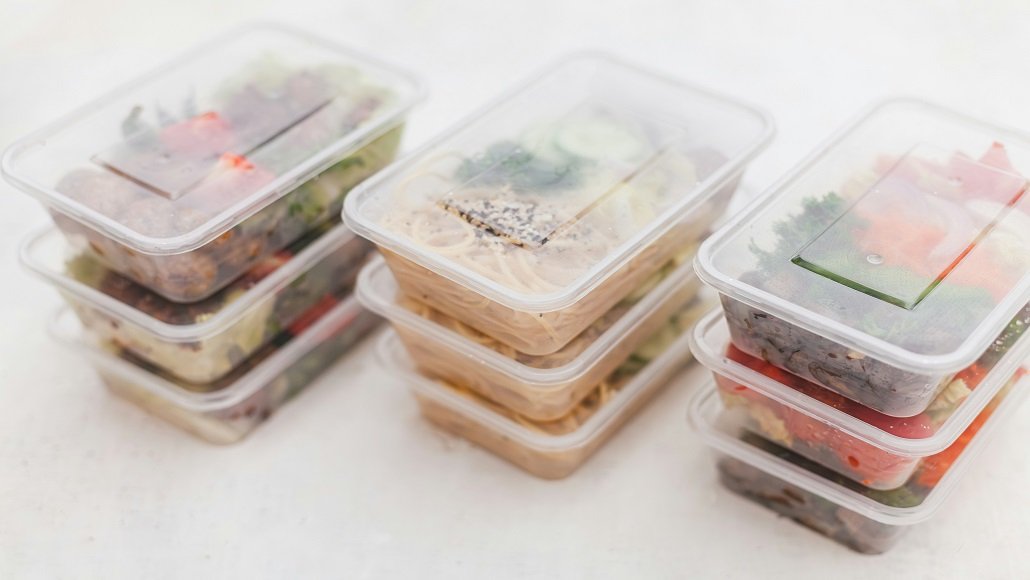
- Food Storage Containers: Rigid or semi-rigid containers for storing leftovers or meal prepping.
- Vacuum Pouches: Used for extending the shelf life of meats, cheeses, and other perishables.
Each format is designed to maximize freshness and minimize exposure to air, moisture, and contaminants.

Benefits of Using Polyethylene for Food Packaging
There are several advantages to choosing polyethylene food-safe packaging for both businesses and consumers:
- Safety: Polyethylene is non-toxic and does not leach harmful chemicals when used as intended.
- Durability: Resistant to tearing, punctures, and moisture, it protects food during transport and storage.
- Cost-Effectiveness: Production costs are low, making it an affordable choice for large-scale food packaging.
- Versatility: It can be customized for different shapes, sizes, and barrier properties.
- Recyclability: Many forms of polyethylene can be recycled, reducing environmental impact when properly disposed of.
These benefits have made polyethylene the material of choice for a wide range of food packaging applications, from grocery stores to restaurants and home kitchens.
Environmental Considerations and Recycling
While polyethylene offers many advantages, its widespread use also raises environmental concerns. The key issue is plastic waste, which can contribute to pollution if not managed responsibly. Fortunately, both LDPE and HDPE are recyclable in many communities. Proper sorting and recycling can help reduce landfill waste and support the circular economy.
Some manufacturers are also exploring biodegradable or compostable alternatives, as well as ways to incorporate recycled polyethylene into new packaging. Consumers can contribute by checking local recycling guidelines and choosing products with minimal or recyclable packaging.
Comparing Polyethylene with Other Food Packaging Materials
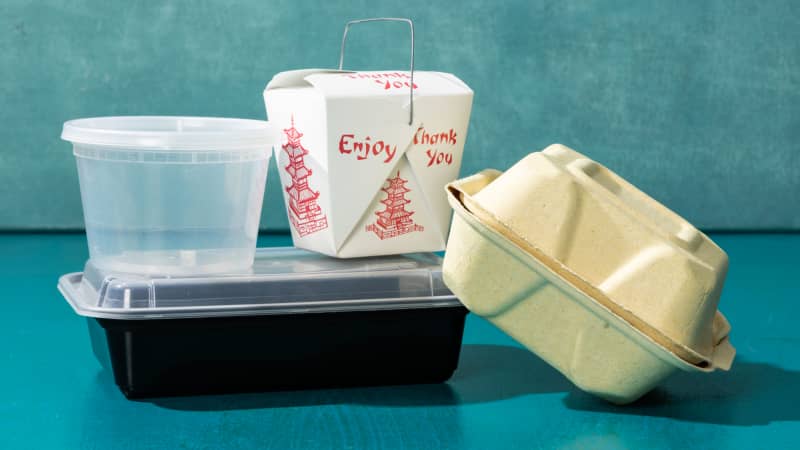
Polyethylene is just one option among many for food packaging. Other materials include paper, glass, aluminum, and biodegradable plastics. Each has its own strengths and limitations:
- Paper: Renewable and compostable, but less effective at moisture and gas barriers.
- Glass: Inert and reusable, but heavy and breakable.
- Aluminum: Excellent barrier properties, but energy-intensive to produce.
- Bioplastics: Designed to break down more easily, but may not always offer the same performance or recyclability as polyethylene.
The choice of packaging depends on the specific needs of the food product, cost considerations, and sustainability goals.
Frequently Asked Questions
Is polyethylene packaging safe for all types of food?
Yes, as long as the polyethylene is manufactured to food-grade standards and used as intended, it is safe for direct contact with most foods. Always check for regulatory compliance and avoid using non-food-grade plastics for food storage.
Can polyethylene food packaging be recycled?
Many forms of polyethylene, including LDPE and HDPE, are recyclable. However, recycling programs vary by location, so it’s important to consult local guidelines. Clean, dry packaging is more likely to be accepted for recycling.
Does polyethylene affect the taste or smell of food?
No, food-grade polyethylene is inert and does not impart any taste or odor to food products. This makes it ideal for preserving the original qualities of packaged foods.
Are there alternatives to polyethylene for food packaging?
Alternatives include paper, glass, aluminum, and newer biodegradable plastics. Each alternative has different properties, so the best choice depends on the food product and desired shelf life.
For those interested in how packaging and printing intersect in other industries, you may also explore the benefits of micro-factory models for fashion printing and how innovation in materials can drive sustainability and efficiency.