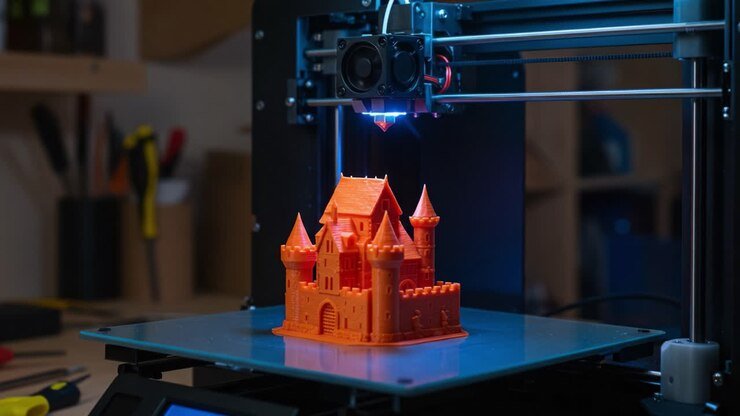
The world of additive manufacturing is rapidly expanding, and acquiring the right skills is more accessible than ever. Whether you’re a hobbyist, an engineer, or someone looking to pivot into a new career, online 3D printing courses offer a flexible and comprehensive way to master this transformative technology. From understanding the basics of 3D modeling to troubleshooting complex prints, digital learning platforms make it possible to gain hands-on knowledge without leaving your home.
As industries like healthcare, automotive, and fashion increasingly adopt 3D printing, the demand for skilled professionals continues to grow. Learning these skills online not only saves time and money but also allows you to progress at your own pace. Before diving into the specifics of what these courses cover and how to choose the right one, it’s helpful to explore how 3D printing is changing related fields. For example, the benefits of micro-factory models for fashion printing highlight just one way additive manufacturing is reshaping production.
Why Choose Digital Training for Additive Manufacturing?
Enrolling in online 3D printing courses provides several advantages over traditional classroom settings. Digital platforms offer a wide range of resources, including video lectures, interactive simulations, and downloadable guides. This flexibility means you can revisit complex topics as needed and fit learning into your schedule.
- Self-paced learning: Progress at your own speed, ideal for busy professionals or students.
- Access to global expertise: Learn from industry leaders and experienced instructors worldwide.
- Up-to-date content: Stay current with the latest advancements in 3D printing technology.
- Cost-effective: Many courses are more affordable than in-person workshops or university programs.
For those interested in the intersection of printing and textiles, understanding what is soft hand feel in garment printing can complement your additive manufacturing knowledge, especially if you plan to work in fashion or product design.
Core Topics Covered in Online 3D Printing Courses
Most reputable programs cover a comprehensive range of subjects, ensuring you gain both theoretical and practical skills. Here are some of the most common modules you’ll encounter:
- Introduction to Additive Manufacturing: Learn the history, principles, and various types of 3D printing technologies, such as Fused Deposition Modeling (FDM), Stereolithography (SLA), and Selective Laser Sintering (SLS).
- 3D Modeling and CAD Software: Gain hands-on experience with tools like Tinkercad, Fusion 360, or SolidWorks to create and modify digital models.
- Printer Operation and Maintenance: Understand how to set up, calibrate, and maintain different types of 3D printers for optimal results.
- Material Selection: Explore the properties and applications of various printing materials, including plastics, resins, and metals.
- Troubleshooting and Quality Control: Learn to identify and resolve common printing issues, ensuring high-quality output.
- Applications and Industry Use Cases: Discover how additive manufacturing is applied in sectors like healthcare, automotive, aerospace, and consumer products.
For a deeper dive into the technical aspects, resources like this comprehensive 3D printing guide provide valuable supplemental information.
Popular Platforms Offering 3D Printing Education
There are several well-established platforms where you can enroll in structured learning paths. Some offer free introductory content, while others provide advanced certification for a fee. Here are a few options to consider:
- Coursera and edX: University-backed courses with flexible schedules and recognized certificates.
- Udemy: Affordable, on-demand classes covering beginner to advanced topics.
- LinkedIn Learning: Short, focused modules ideal for professionals seeking quick upskilling.
- Specialized industry academies: Some 3D printer manufacturers and industry groups offer their own training programs tailored to specific hardware or applications.
When choosing a course, consider your current skill level, the type of printer you plan to use, and your long-term goals. Reading reviews and previewing course syllabi can help ensure the content matches your needs.
Hands-On Learning: Practical Projects and Community Support
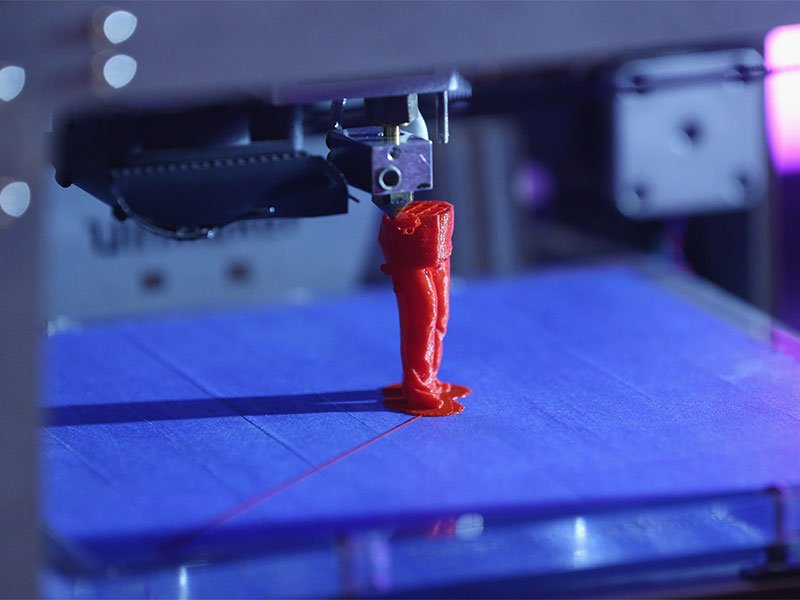
The best way to reinforce new skills is through practical application. Many online programs include project-based assignments, encouraging you to design, print, and refine your own objects. Some courses even offer virtual labs or simulation tools, allowing you to experiment with different settings and materials before working with a physical printer.
Community forums and peer groups are another valuable aspect of digital learning. Engaging with fellow students and instructors can help you troubleshoot issues, share tips, and stay motivated. For example, if you encounter persistent print defects or want to improve your results, discussing with others who have faced similar challenges can be invaluable.
If you’re interested in how these skills translate to other printing methods, you might find it useful to explore the techniques for removing ghost images from printing screens, which highlights the importance of troubleshooting and quality control in all forms of printing.
Tips for Getting the Most Out of Your Digital Learning Experience
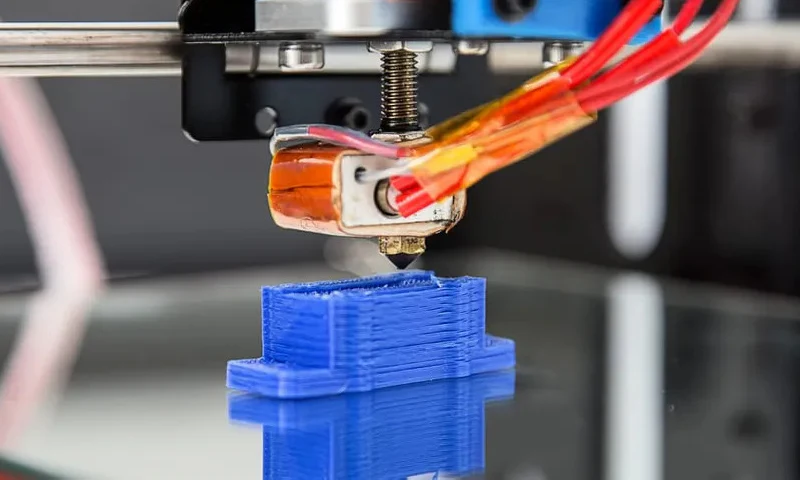
Maximizing the value of your online education requires a proactive approach. Here are some practical tips to help you succeed:
- Set clear goals: Identify what you want to achieve, whether it’s mastering a specific printer, learning to design prototypes, or preparing for a new job.
- Practice regularly: Consistent hands-on work reinforces concepts and builds confidence.
- Engage with the community: Participate in forums, ask questions, and share your progress.
- Keep up with industry trends: Follow blogs, attend webinars, and read case studies to stay informed about new materials and techniques.
- Document your projects: Keeping a portfolio of your designs and prints can be valuable when applying for jobs or freelance opportunities.
As you advance, you may want to compare different printing methods for specific applications. For branding and apparel, understanding the differences between embroidery and printing for logos can help you choose the right technique for your needs.
Frequently Asked Questions
What prerequisites do I need for online 3D printing courses?
Most beginner-level programs require no prior experience. Basic computer skills and an interest in design or engineering are helpful. Some advanced courses may recommend familiarity with CAD software or a background in manufacturing.
Can I get certified through online learning?
Yes, many platforms offer certificates of completion or even industry-recognized credentials. These can be valuable for career advancement or demonstrating expertise to employers.
What equipment do I need to participate?
While some courses provide virtual labs, having access to a 3D printer is beneficial for hands-on practice. Entry-level FDM printers or resin printers are widely available and affordable. Course descriptions usually specify any required hardware or software.
Conclusion
Gaining expertise in additive manufacturing through digital education is a practical and effective way to stay ahead in a fast-evolving field. By choosing the right program, engaging with the community, and practicing regularly, you can build a strong foundation in 3D printing and unlock new career or creative opportunities. For those working in fashion or small-scale production, exploring the benefits of direct to film for small fashion labels can further broaden your understanding of modern fabrication techniques.