The landscape of production is rapidly changing as personalized manufacturing future becomes a reality. With the rise of 3D printing, individuals and businesses can now design and produce goods tailored to unique needs and preferences. This shift is not just about technology—it’s about reimagining how products are made, distributed, and consumed.
From custom-fit shoes to intricate prototypes, additive manufacturing is opening doors for creativity and efficiency. As more industries adopt these methods, the ability to deliver one-of-a-kind items on demand is transforming expectations. Understanding how this evolution works and what it means for both consumers and producers is key to staying ahead in today’s market.
For those interested in related innovations in textile production, exploring what is soft hand feel in garment printing can provide further insight into how customization is impacting various sectors.
How 3D Printing Powers Customization in Modern Manufacturing
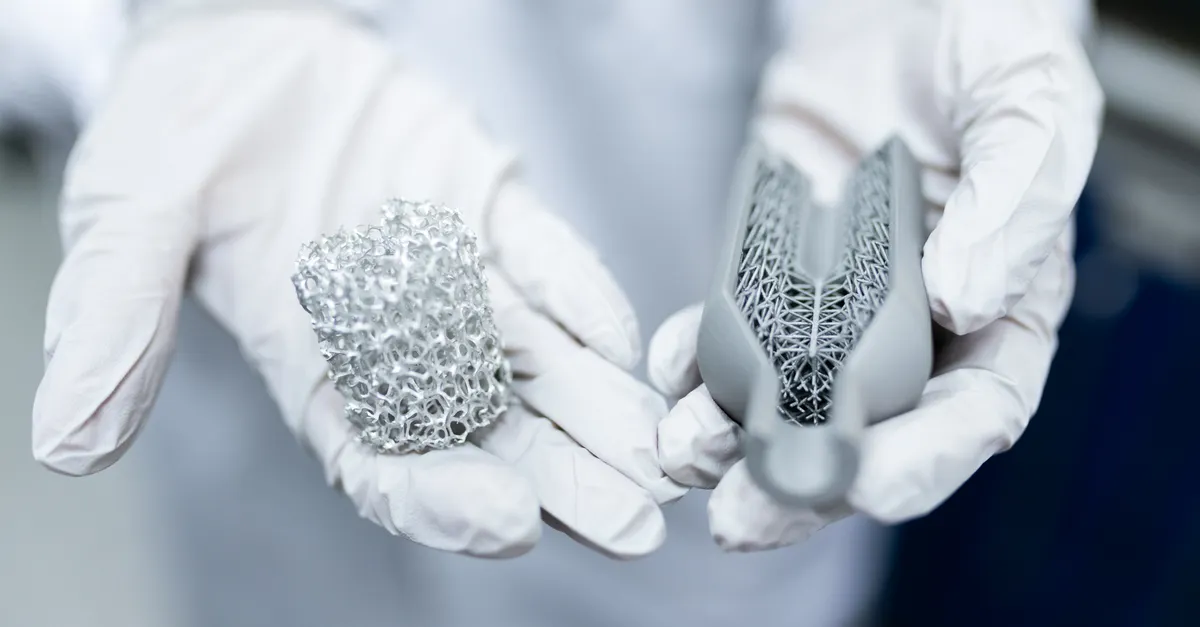
Additive manufacturing, commonly known as 3D printing, has become a cornerstone of the personalized manufacturing future. Unlike traditional subtractive methods, which carve or cut material away, 3D printers build objects layer by layer from digital designs. This approach allows for rapid prototyping, flexible production runs, and the creation of complex geometries that would be impossible or cost-prohibitive with older techniques.
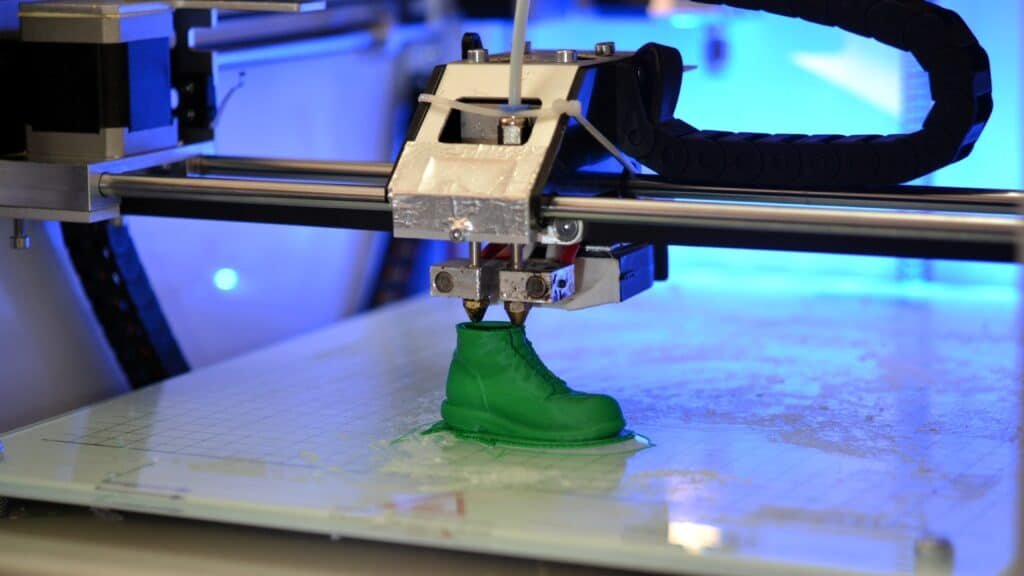
The process begins with a digital model, often created using CAD software. Once finalized, the design is sent to a 3D printer, which deposits material—such as plastic, resin, or even metal—in precise layers. This flexibility means that each item can be slightly different, accommodating individual specifications without the need for expensive retooling.
For a deeper dive into how these machines work, this overview of 3D printing technology offers a thorough explanation of the underlying principles.
Benefits of Personalized Production for Businesses and Consumers
Embracing a more tailored approach to manufacturing brings a host of advantages. For businesses, it means the ability to respond quickly to market trends and customer feedback. Shorter lead times and reduced inventory requirements can lower costs and minimize waste. For consumers, the promise of products that fit their exact needs—whether it’s a medical device, a fashion accessory, or a replacement part—is more attainable than ever.
- Reduced waste: Only the necessary material is used, minimizing scrap.
- Faster prototyping: Iterations can be produced quickly, accelerating innovation.
- On-demand production: Items are made as needed, reducing storage and excess inventory.
- Enhanced customization: Designs can be easily tweaked for individual preferences.
These benefits are especially pronounced in industries where personalization is highly valued, such as healthcare, automotive, and fashion. For example, hearing aids and dental implants are now commonly produced using 3D printing, ensuring a perfect fit for each patient.
Key Technologies Driving the Next Wave of Custom Manufacturing
Several advancements are accelerating the shift toward a more individualized approach to production. Among them, improvements in printer hardware, materials science, and software integration stand out.
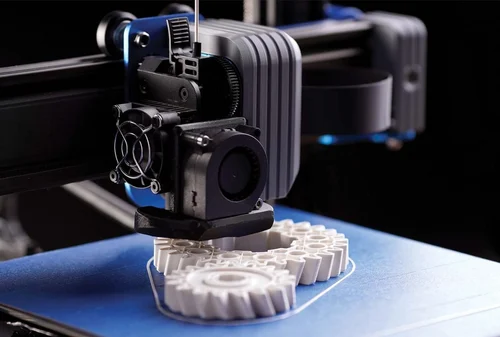
- Multi-material printing: Modern machines can combine different materials and colors in a single print, expanding design possibilities.
- High-resolution capabilities: Fine detail and smooth finishes are now achievable, making 3D-printed goods suitable for end-use applications.
- Cloud-based design sharing: Digital files can be distributed globally, allowing local production and reducing shipping costs.
- Automation and AI: Smart software can optimize designs for strength, material use, and print speed, further streamlining the process.
These technologies are not limited to industrial settings. Desktop 3D printers are increasingly accessible for hobbyists, educators, and small businesses, democratizing the ability to create custom products.
Challenges and Considerations in the Era of Tailored Manufacturing
While the personalized manufacturing future offers many benefits, it also presents new challenges. Intellectual property concerns, quality control, and the need for skilled operators are just a few factors that must be addressed as adoption grows.
Additionally, the environmental impact of certain materials and the energy consumption of printers are important considerations. Companies are investing in more sustainable materials and energy-efficient machines to address these concerns.
For those interested in how similar trends are shaping the fashion industry, the benefits of micro-factory models for fashion printing illustrate how small-scale, flexible production is gaining traction beyond traditional manufacturing.

Real-World Applications and Industry Examples
The impact of custom manufacturing is visible across a range of sectors. In healthcare, prosthetics and orthotics are now tailored for individual patients, improving comfort and outcomes. The automotive industry uses 3D printing for both prototyping and producing rare replacement parts. Even in fashion, designers are experimenting with unique, made-to-order pieces that would be impossible to mass-produce.
Small businesses and entrepreneurs are also leveraging these technologies to launch niche products without the need for large upfront investments. This flexibility is empowering creators to test ideas, iterate quickly, and respond to customer feedback in real time.
For those managing print workflows, understanding how to remove ghost images from printing screens can be valuable as part of a broader strategy for quality control in custom production.
What’s Next for Customization and On-Demand Production?
As technology continues to evolve, the possibilities for individualized manufacturing will only expand. Advances in materials, machine learning, and digital design are making it easier to produce high-quality, tailored goods at scale. The convergence of these trends points toward a future where mass customization is not just possible, but expected.
Companies that embrace these changes will be well-positioned to meet the growing demand for unique, on-demand products. Whether you’re a business owner, a designer, or a consumer, staying informed about these developments is essential for making the most of the opportunities ahead.
Frequently Asked Questions
How does 3D printing enable personalized manufacturing?
3D printing allows for the creation of products directly from digital designs, making it easy to adjust dimensions, shapes, and features for each individual order. This flexibility supports the production of unique items without the need for costly retooling or large minimum orders.
What industries benefit most from custom manufacturing?
Sectors such as healthcare, automotive, aerospace, and fashion are seeing significant advantages. Medical devices, custom car parts, and bespoke fashion accessories are just a few examples where tailored production is making a difference.
Are there any limitations to personalized manufacturing with 3D printing?
While the technology offers many benefits, there are still challenges related to material properties, production speed, and quality assurance. Additionally, intellectual property concerns and the need for skilled operators can impact widespread adoption.
For further reading on printing techniques and their applications, you might also find value in learning about the benefits of direct to film for small fashion labels and the comparison of what is embroidery vs printing for brand logos.