The world of contemporary apparel is constantly evolving, with designers and brands seeking new ways to innovate and captivate. Among the most striking trends in recent years is the use of sheer mesh fabrics—delicate, translucent materials that add dimension, texture, and a sense of modernity to garments. However, achieving high-quality prints on these airy textiles presents unique technical and creative challenges. This guide to printing on sheer mesh fabrics explores the essential techniques, materials, and considerations for producing vibrant, durable, and fashionable results.
Whether you’re a designer aiming to create runway-ready pieces or a print specialist looking to expand your capabilities, understanding the nuances of mesh printing is crucial. From selecting the right inks to mastering the printing process, every step impacts the final look and feel of the finished product. For those interested in maintaining the quality of their tools, learning how to clean screen printing meshes is also a vital skill that supports consistent, professional outcomes.
Understanding Sheer Mesh Materials in Fashion
Sheer mesh is a lightweight, open-weave textile commonly made from synthetic fibers like polyester, nylon, or blends. Its popularity in fashion stems from its breathability, stretch, and ability to create visually striking effects. Designers use mesh for everything from sportswear inserts to full garments, layering it over opaque fabrics or using it alone for bold, see-through looks.
The open structure and delicate nature of mesh present specific challenges for printing. The fabric’s transparency means that any print must be carefully considered for color intensity and placement, while its stretch and movement require inks and techniques that won’t crack or peel over time.
Key Techniques for Printing on Sheer Mesh
When it comes to applying graphics or patterns to mesh, several methods are commonly used. Each has its advantages and limitations, depending on the desired effect and production scale.
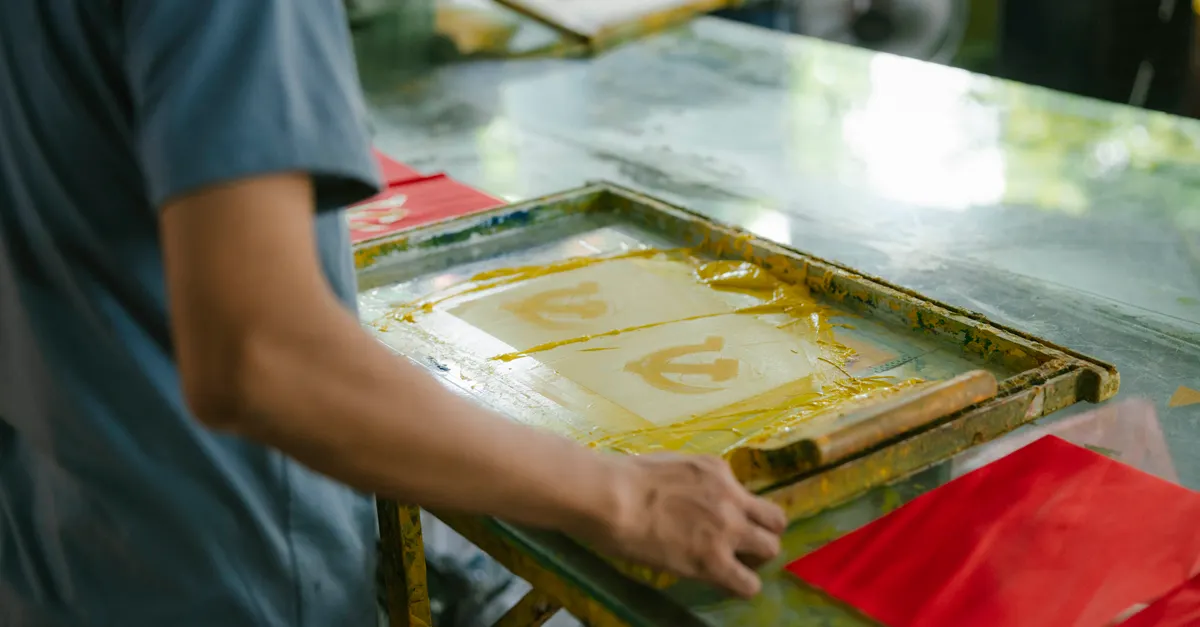
- Screen Printing: This traditional method uses a mesh stencil to transfer ink onto the fabric. It’s ideal for bold, opaque designs but requires careful mesh selection and ink formulation to prevent bleeding or distortion.
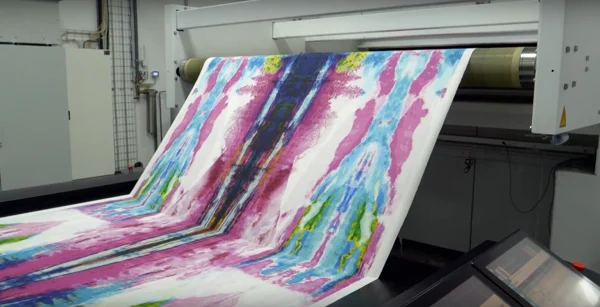
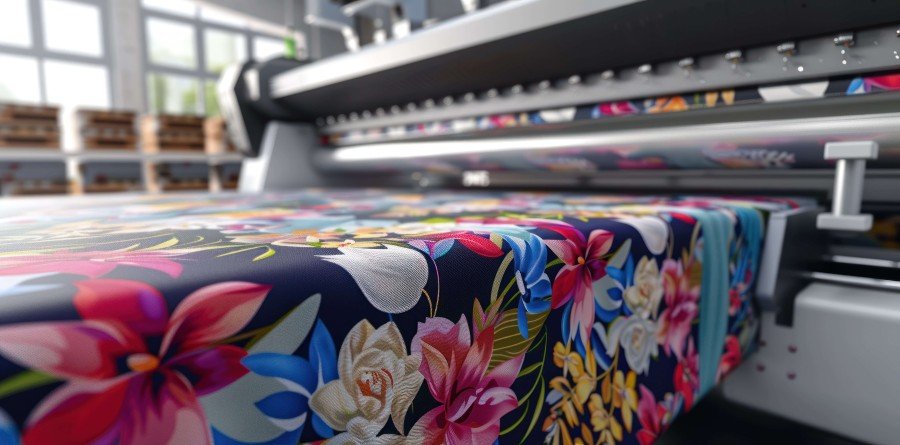
- Digital Printing: Advances in technology now allow for direct-to-fabric printing, producing intricate, multi-color designs with high precision. Digital methods are especially useful for short runs or custom pieces, as they offer flexibility and minimal setup time.
- Sublimation: This process uses heat to transfer dye into synthetic fibers, resulting in vibrant, long-lasting prints that don’t affect the fabric’s hand or breathability. Sublimation is particularly effective on polyester mesh.
Choosing the Right Inks and Dyes for Mesh Printing
The selection of inks or dyes is a critical factor in achieving successful results on mesh. Because the fabric is porous and flexible, not all formulations are suitable. Here are some considerations:
- Pigment Inks: These sit on the surface of the fabric and can provide good opacity, but may reduce stretch if applied too heavily.
- Disperse Dyes: Used in sublimation, these penetrate the fibers and maintain the mesh’s softness and flexibility.
- Plastisol Inks: Common in screen printing, these offer vibrant colors but must be carefully cured to avoid stiffness.
Always test inks on a sample of the actual mesh to ensure compatibility, durability, and the desired visual effect.
Preparing Mesh for Printing: Pre-Treatment and Handling
Proper preparation is essential before any printing process. Mesh fabrics may carry residues from manufacturing, such as oils or sizing agents, which can interfere with ink adhesion. Washing the fabric and using a mild pre-treatment can help achieve consistent results.
Handling is equally important. Mesh can stretch or distort easily, so tensioning the fabric on the print bed or screen frame is necessary to maintain registration and avoid blurry prints. For those interested in related techniques, exploring sublimation vs direct to film printing can provide further insights into pre-treatment and handling for various textiles.
Best Practices for Achieving High-Quality Prints
To ensure professional and lasting results when working with mesh, consider these best practices:
- Use Fine Mesh Screens: In screen printing, a higher mesh count prevents ink from flooding through the fabric’s holes, resulting in sharper images.
- Apply Light Pressure: Excessive pressure can stretch or distort mesh during printing. Use gentle, even strokes.
- Layer Colors Carefully: For multi-color designs, allow each layer to dry or cure before applying the next to prevent smudging.
- Cure Inks Properly: Follow manufacturer guidelines for heat setting to ensure prints are wash-resistant and flexible.
- Test and Adjust: Always run test prints to fine-tune ink viscosity, screen tension, and curing times.
Design Considerations for Sheer Mesh Fashion
Printing on mesh isn’t just a technical process—it’s also a creative opportunity. The interplay between transparency and color can be used to dramatic effect. Here are some design tips:
- Embrace Negative Space: Let the sheer areas of the fabric become part of the design, creating contrast and visual interest.
- Opt for Bold Graphics: Simple, high-contrast images stand out best on mesh, especially when layered over other garments.
- Consider Placement: Strategic positioning of prints can enhance the garment’s silhouette and highlight the body’s natural lines.
- Play with Color: Bright, saturated hues can pop against the transparency of mesh, while subtle tones create a softer, ethereal look.
Ensuring Durability and Longevity
One of the main concerns with mesh printing is ensuring that designs remain vibrant and intact after repeated wear and washing. To maximize durability:
- Choose the Right Printing Method: Sublimation and digital printing often provide the best wash resistance for synthetic meshes.
- Follow Care Instructions: Advise end users to wash printed mesh garments gently, preferably by hand or on a delicate cycle, and to avoid high heat in drying.
- Maintain Equipment: Regularly clean screens, print heads, and other tools to prevent contamination and ensure crisp results. For more on this, see the article on how to clean screen printing meshes.
Eco-Friendly and Innovative Printing Solutions
As sustainability becomes increasingly important in fashion, many printers and designers are turning to eco-friendly inks and processes. Water-based inks, low-energy digital printers, and recyclable materials are all part of a growing movement toward greener production. For a deeper dive into digital textile printing and its environmental impact, check out this comprehensive overview of digital fabric printing.
Frequently Asked Questions
What is the best printing method for sheer mesh fabrics?
The optimal method depends on the desired effect and fabric composition. Sublimation printing works exceptionally well for polyester mesh, providing vibrant, long-lasting results. Screen printing is suitable for bold, opaque designs, while digital printing offers flexibility for detailed or multi-color graphics.
How can I prevent ink from bleeding on mesh material?
To minimize ink bleeding, use fine mesh screens, select inks formulated for synthetics, and apply light, even pressure during printing. Pre-treating the fabric and conducting test prints also help achieve sharp, clean lines.
Are there special care instructions for printed mesh garments?
Yes, printed mesh items should be washed gently—preferably by hand or on a delicate machine cycle—and air dried to preserve both the fabric and the print. Avoid harsh detergents and high heat, as these can damage the material and cause fading.
Can I print photographic images on mesh?
Digital printing allows for high-resolution images on mesh, but the open weave will affect the sharpness and color intensity. For best results, use high-contrast images and test your design on a fabric swatch.
Conclusion
Mastering the art of printing on mesh opens up a world of creative possibilities for modern fashion. By understanding the unique properties of these fabrics, choosing the right materials and techniques, and following best practices, you can achieve stunning, durable results that stand out in today’s competitive market. Whether you’re experimenting with bold graphics or subtle overlays, the right approach will ensure your designs are both visually striking and built to last.