The world of affordable home 3D printers has expanded rapidly, making it easier than ever for beginners and hobbyists to bring their creative ideas to life. Whether you want to design custom gadgets, prototype parts, or simply explore a new hobby, there are now a wide range of budget-friendly 3D printers that deliver impressive results without breaking the bank.
As technology advances, entry-level 3D printers have become more reliable, user-friendly, and accessible. This guide explores the most popular types, key features to consider, and some of the best models available for those starting out. If you’re curious about the broader world of 3D printing, you can learn more from resources like this comprehensive introduction to 3D printing.
For those interested in other printing techniques, such as garment or fashion printing, you might also find value in exploring what is soft hand feel in garment printing and how it compares to 3D printing for home use.
Understanding Entry-Level 3D Printing for Home Use
Home 3D printers have evolved from niche tools for tech enthusiasts to practical devices for everyday creators. The most common technologies found in budget-friendly models are Fused Deposition Modeling (FDM) and Stereolithography (SLA), also known as resin printing. Each offers unique benefits for different types of projects.
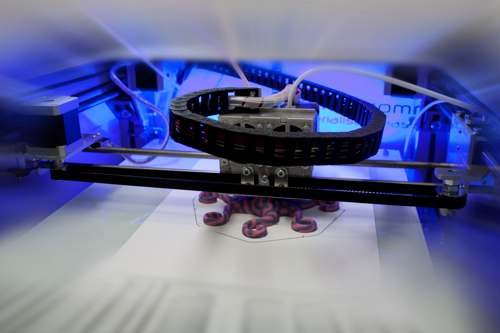
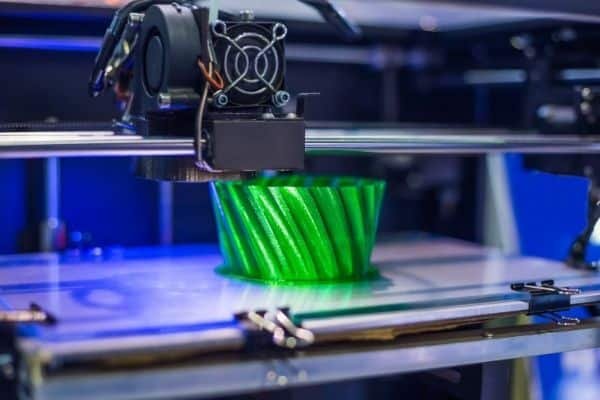
- FDM printers use spools of plastic filament, melting and layering the material to form objects. They are known for their affordability, ease of use, and wide material compatibility.
- Resin printers (SLA or MSLA) use liquid resin cured by UV light, producing highly detailed prints ideal for miniatures, jewelry, and intricate models.
When choosing a starter 3D printer, consider what you plan to create, your workspace, and your comfort with setup and maintenance. Both FDM and resin printers now come in compact, affordable packages suitable for home environments.
Key Features to Look for in Budget 3D Printers
Selecting the right machine can be overwhelming with so many choices available. Here are the most important features to evaluate when shopping for affordable home 3D printers:
- Build Volume: The maximum size of objects you can print. Larger volumes offer more flexibility but may increase cost and footprint.
- Print Resolution: Measured in microns, this determines the level of detail. Resin printers typically offer finer resolution than FDM models.
- Ease of Assembly: Many entry-level printers come as kits, while others are nearly ready to use out of the box. Beginners may prefer models with minimal setup.
- User Interface: Touchscreens, intuitive menus, and Wi-Fi connectivity can make operation much simpler, especially for those new to 3D printing.
- Material Compatibility: FDM printers often support PLA, ABS, PETG, and more. Resin printers require specific resins, so check availability and cost.
- Community Support: Popular models have active online communities and support forums, which can be invaluable for troubleshooting and learning.
Popular Models for Beginners and Hobbyists
Here are some of the most recommended options for those starting their journey with home 3D printing. These models balance price, performance, and reliability, making them ideal for new users.
FDM Printers: Reliable and Versatile
- Creality Ender Series: Known for their affordability and large user community, these printers are easy to upgrade and maintain. The Ender 3 is a favorite among beginners for its balance of price and performance.
- Anycubic Kobra Go: Offers auto-bed leveling and a straightforward setup, making it a great choice for those new to 3D printing.
- Prusa Mini: While slightly higher in price, this model is praised for its reliability, print quality, and excellent support.
Resin Printers: High Detail for Small Models
- Elegoo Mars Series: These compact resin printers are popular for their high-resolution output and accessible price point.
- Anycubic Photon Mono: Delivers fast, detailed prints and is well-suited for miniatures, jewelry, and detailed prototypes.
- Phrozen Sonic Mini: Known for its speed and print quality, this model is a top pick for hobbyists seeking fine detail.
Tips for Getting Started with Home 3D Printing
Even the most affordable models can produce impressive results with the right approach. Here are some practical tips to help you succeed as a beginner:
- Start Simple: Begin with basic models and gradually move to more complex designs as you gain experience.
- Level the Bed: Proper bed leveling is crucial for FDM printers. Many new models offer auto-leveling, but manual checks are still helpful.
- Use Quality Materials: Invest in reputable filament or resin brands for consistent results and fewer print failures.
- Join Online Communities: Forums, social media groups, and YouTube channels can provide troubleshooting help and inspiration.
- Maintain Your Printer: Regular cleaning and occasional lubrication will extend the life of your machine and improve print quality.

Comparing FDM and Resin Printers for Home Use
Deciding between FDM and resin models depends on your project needs and personal preferences. Here’s a quick comparison to help you choose:
| Feature | FDM Printers | Resin Printers |
|---|---|---|
| Print Detail | Good for most uses | Excellent for fine details |
| Material Cost | Lower (filament) | Higher (resin) |
| Ease of Use | Beginner-friendly | Requires more post-processing |
| Maintenance | Simple cleaning | More involved (resin handling) |
| Odor/Safety | Minimal | Requires ventilation |
If you’re focused on larger, functional parts or want to experiment with a variety of materials, FDM is often the best starting point. For those interested in highly detailed models, resin printers offer unmatched resolution, though they require more careful handling.
Expanding Your Creative Possibilities
Once you’re comfortable with your home 3D printer, you can explore advanced techniques and applications. Many users branch out into custom phone cases, cosplay props, educational models, and even small-scale manufacturing. The versatility of these machines makes them a valuable addition to any creative workspace.
For those interested in how 3D printing compares to other modern fabrication methods, you might want to read about the benefits of micro-factory models for fashion printing and how digital manufacturing is changing various industries.
Frequently Asked Questions
What is the best type of 3D printer for beginners?
For most newcomers, FDM printers are a solid choice due to their affordability, ease of use, and wide support community. Models like the Ender 3 or Anycubic Kobra Go are popular for their straightforward setup and reliable results.
How much should I expect to spend on a starter 3D printer?
Entry-level FDM printers typically range from $150 to $350, while resin models start around $200 and can go higher depending on features. Remember to budget for consumables like filament or resin and basic maintenance supplies.
Are affordable home 3D printers safe to use indoors?
Most FDM printers are safe for home use with proper ventilation and basic precautions. Resin printers require more care due to fumes and the need for post-processing, so always follow manufacturer safety guidelines and use in a well-ventilated area.
Conclusion
The availability of affordable home 3D printers has opened up new creative possibilities for beginners and hobbyists alike. By understanding the differences between FDM and resin technologies, evaluating key features, and starting with a reliable model, you can enjoy the rewarding experience of turning digital designs into physical objects right from your own home.
As you build your skills, don’t hesitate to explore related topics such as what is embroidery vs printing for brand logos or benefits of direct to film for small fashion labels to see how digital fabrication is transforming creative industries.