As the demand for eco-friendly textiles grows, printing on hemp and linen fabrics has become a key focus for designers, brands, and print professionals seeking sustainable solutions. Both hemp and linen are natural fibers known for their durability, breathability, and minimal environmental impact. However, their unique textures and absorbency present specific challenges and opportunities when it comes to textile printing.
This article offers a comprehensive guide to achieving high-quality, sustainable prints on hemp and linen materials. You’ll learn about the best printing methods, essential preparation steps, ink and dye choices, and tips for maintaining softness and longevity in your finished products. For those interested in advanced garment finishing, you may also want to explore what is soft hand feel in garment printing for additional insights.
Understanding Hemp and Linen: Properties That Affect Printing
Before diving into the printing process, it’s important to understand what makes hemp and linen distinct from other textiles. Both are bast fibers, meaning they come from the stalks of plants rather than seeds or leaves. Their natural structure gives them a slightly coarse texture and high absorbency, which can influence how inks and dyes interact with the fabric.
- Hemp is renowned for its strength, antimicrobial properties, and resistance to UV light. It absorbs moisture well but can be more textured than cotton.
- Linen, derived from flax, is highly breathable, quick-drying, and has a smooth yet crisp feel. It wrinkles easily but offers a beautiful drape and natural luster.
These characteristics mean that both fabrics require careful preparation and the right printing techniques to ensure vibrant, long-lasting results.
Preparing Hemp and Linen for Printing
Proper preparation is crucial for achieving crisp, even prints on hemp and linen. Skipping these steps can lead to uneven color, poor adhesion, or a rough hand feel.
- Pre-washing: Always wash and dry the fabric before printing. This removes natural oils, sizing agents, and any shrinkage that might occur later.
- Ironing: Smooth out wrinkles to ensure a flat surface for printing. For best results, iron while the fabric is still slightly damp.
- Pre-treatment: Depending on your chosen printing method, you may need to apply a pre-treatment solution. This helps the ink or dye bond more effectively with the fibers, especially for digital and sublimation printing.
Choosing the Right Printing Method for Natural Fabrics
There are several techniques available for printing on hemp and linen, each with its own advantages. The best choice depends on your design, production scale, and sustainability priorities.
Screen Printing on Hemp and Linen
Screen printing is a popular choice for natural fibers due to its versatility and ability to produce bold, opaque colors. Water-based inks are recommended for eco-friendly production and a soft hand feel. However, the absorbency of hemp and linen may require additional passes or thicker ink layers.
- Use fine-mesh screens for detailed designs.
- Test ink penetration to avoid excessive bleeding.
- Cure prints at the recommended temperature for durability.
Digital Textile Printing: Precision and Flexibility
For intricate, multi-color designs or short runs, digital textile printing offers excellent results on hemp and linen. This method uses specialized inkjet printers to apply water-based pigment or reactive inks directly to the fabric.

Key considerations for digital printing on these fabrics include:
- Applying a pre-treatment to enhance color vibrancy and wash fastness.
- Using pigment inks for a more sustainable process, as they require less water and energy compared to reactive dyes.
- Heat-fixing or steaming the prints to set the colors.
For a deeper dive into digital methods, see this comprehensive overview of digital textile printing.
Block Printing and Eco-Friendly Alternatives
Traditional block printing is another sustainable option, especially for artisan or small-batch production. This technique uses hand-carved blocks and natural dyes, making it ideal for those prioritizing low-impact processes and unique, handcrafted aesthetics.
- Choose natural or low-impact dyes for the most eco-friendly results.
- Test on fabric scraps to ensure even color absorption.
- Allow ample drying time to prevent smudging.
Best Inks and Dyes for Eco-Conscious Printing
The choice of ink or dye is critical for both print quality and environmental sustainability. Here are the main options for hemp and linen:
- Water-based pigment inks: These are ideal for digital and screen printing, offering good coverage and a soft finish with minimal environmental impact.
- Reactive dyes: Used mainly in digital and traditional dyeing, these bond chemically with cellulose fibers for excellent wash fastness and color depth. However, they require more water and post-processing.
- Natural dyes: Plant-based dyes are a great choice for block printing and small-scale projects, though they may have less color consistency and require mordants for fixation.
Always check that your chosen ink or dye is compatible with the specific fiber content and intended use of your fabric.
Maintaining Softness and Durability After Printing
One of the main concerns when printing on hemp and linen is preserving the fabric’s natural softness and strength. Here are some tips to maintain quality:
- Use soft-hand inks and avoid heavy layers that can stiffen the fabric.
- Follow recommended curing or heat-setting instructions to ensure prints are fully bonded without damaging fibers.
- Wash printed fabrics gently, using mild detergents and cool water to prolong the life of both the print and the textile.
For more on achieving a premium finish, review techniques for what is soft hand feel in garment printing.
Scaling Up: Sustainable Production and Micro-Factory Models
Brands looking to scale up eco-friendly textile printing can benefit from micro-factory models, which focus on local, on-demand production to reduce waste and carbon footprint. These setups are especially effective for natural fabrics like hemp and linen, as they allow for flexible runs and quick adaptation to market trends.
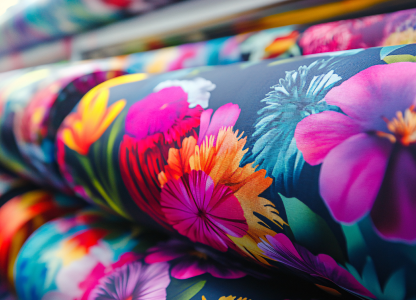
Adopting such approaches not only supports sustainability goals but can also improve responsiveness and reduce inventory risks. For more on this topic, explore the benefits of micro-factory models for fashion printing.
Common Challenges and Troubleshooting Tips
Printing on hemp and linen can present a few hurdles. Here are some common issues and solutions:
- Color Fading: Ensure proper pre-treatment and curing. Use high-quality, fiber-appropriate inks or dyes.
- Ink Bleeding: Test ink viscosity and adjust screen or printer settings. Pre-wash fabric thoroughly.
- Rough Hand Feel: Opt for water-based inks and avoid excessive ink buildup. Consider post-print softening washes.
- Ghost Images: Clean screens and equipment regularly. For detailed advice, see how to remove ghost images from printing screens.
Frequently Asked Questions
Can you use the same inks for hemp and linen as for cotton?
Most water-based pigment inks and reactive dyes suitable for cotton will also work on hemp and linen, as all are cellulose fibers. However, always test for colorfastness and adjust pre-treatment as needed for optimal results.
Is digital printing environmentally friendly for natural fabrics?
Digital printing, especially with water-based pigment inks, is considered one of the most sustainable textile printing methods. It uses less water, produces minimal waste, and allows for precise, on-demand production, making it well-suited for eco-friendly fabrics like hemp and linen.
How do you keep prints soft and flexible on textured fabrics?
To maintain softness, use soft-hand or water-based inks, avoid heavy ink layers, and follow proper curing instructions. Gentle washing and air drying also help preserve the natural feel of hemp and linen after printing.