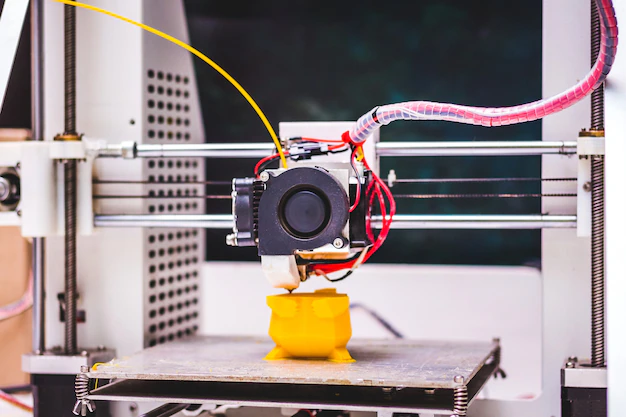
The advent of medical 3D printing technology has revolutionized the healthcare industry, offering innovative solutions for creating prosthetics, implants, and other medical devices. This technology allows for the customization and rapid production of medical components, significantly improving patient outcomes. As the technology continues to evolve, its applications are expanding, making it a critical tool in modern medicine.
Before diving into the specifics of how this technology is applied, it’s essential to understand its broader impact. From reducing production costs to enhancing the precision of medical devices, 3D printing is reshaping the landscape of healthcare. For a deeper understanding of related printing technologies, you might explore topics like sublimation vs direct to film printing.
Applications in Prosthetics
One of the most significant applications of 3D printing in medicine is in the creation of prosthetic limbs. Traditional prosthetics can be expensive and time-consuming to produce. However, with 3D printing, prosthetics can be customized to fit the unique anatomy of each patient, enhancing comfort and functionality. This customization is particularly beneficial for children, who quickly outgrow their prosthetic devices.
Innovations in Implants
Beyond prosthetics, 3D printing technology is also making waves in the production of implants. Whether it’s dental implants or more complex structures like cranial plates, 3D printing allows for precise customization that matches the patient’s anatomy. This precision reduces the risk of complications and improves the integration of the implant with the body’s natural tissues.
Bioprinting: The Future of Organ Transplants
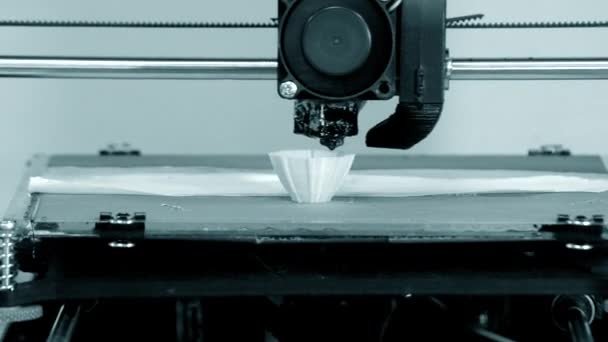
Bioprinting, a subset of 3D printing, is paving the way for the future of organ transplants. By using bio-inks made from living cells, researchers are working towards printing functional organs. While this technology is still in its infancy, it holds the promise of alleviating the shortage of donor organs and reducing the risk of organ rejection.
For those interested in the broader implications of printing technologies, consider exploring how different methods, such as digital sublimation for athletic wear, are applied across various industries.
Challenges and Considerations
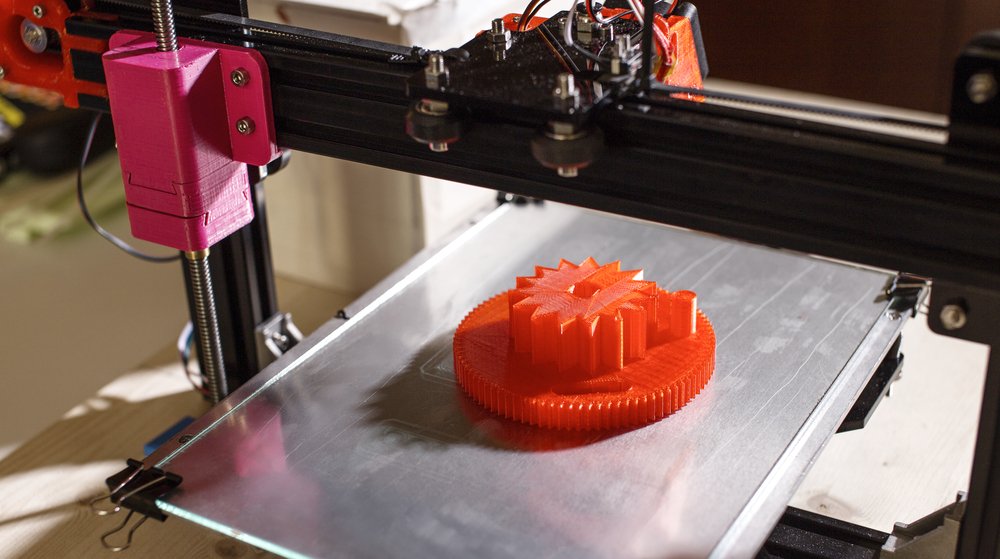
Despite its potential, the adoption of 3D printing in medicine is not without challenges. Regulatory hurdles, the need for specialized training, and the high cost of equipment can be barriers to widespread implementation. Additionally, there are ethical considerations regarding the use of bioprinting and the potential for misuse of the technology.
For those interested in the technical aspects of printing, understanding how to maintain equipment is crucial. For example, learning how to clean screen printing meshes can be beneficial for ensuring the longevity and efficiency of printing devices.
Conclusion
Medical 3D printing is a transformative technology with the potential to significantly improve healthcare delivery. From creating personalized prosthetics to pioneering organ bioprinting, its applications are vast and varied. As the technology matures, it will likely become an integral part of medical practice, offering new solutions to age-old problems.
FAQs
What is medical 3D printing?
Medical 3D printing refers to the use of 3D printing technology to create medical devices, prosthetics, implants, and even biological tissues. It allows for precise customization and rapid production, improving patient care and outcomes.
How does 3D printing benefit prosthetics?
3D printing benefits prosthetics by allowing for customization to the patient’s specific anatomy, reducing production time and costs, and improving the overall fit and comfort of the prosthetic device.
What are the challenges of 3D printing in medicine?
Challenges include regulatory hurdles, high equipment costs, the need for specialized training, and ethical considerations, particularly with bioprinting technologies.