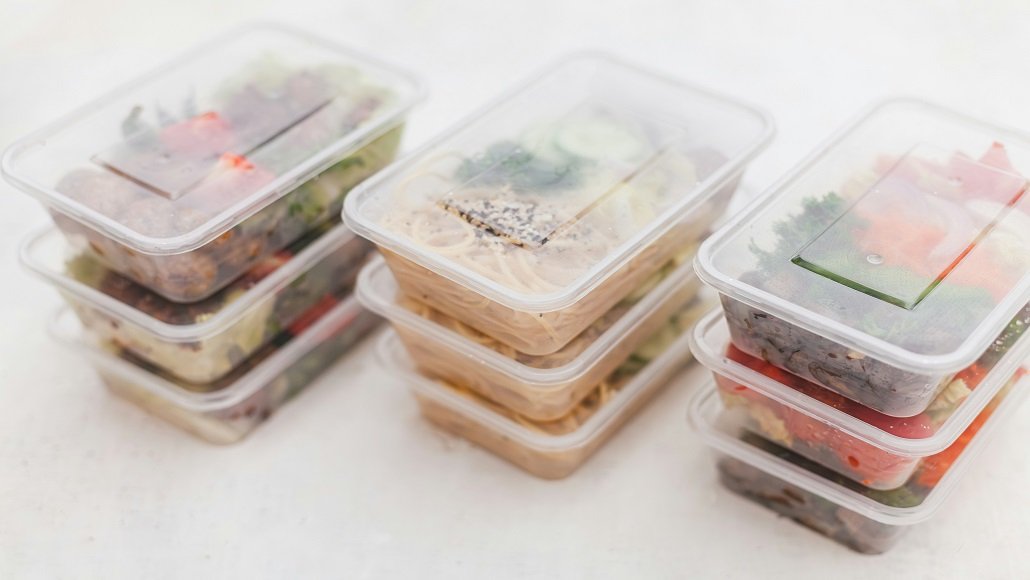
The journey from ocean to table is filled with challenges, especially when it comes to maintaining the freshness and safety of seafood. Food-safe packaging for seafood is not just a regulatory requirement—it’s a crucial part of ensuring that fish, shellfish, and other aquatic products reach consumers in optimal condition. With rising consumer awareness and stricter food safety standards, understanding the role of proper packaging has never been more important.
Whether you are a seafood processor, retailer, or simply a curious consumer, knowing how packaging protects against contamination, spoilage, and environmental hazards can help you make informed decisions. For those interested in related topics, exploring how to clean screen printing meshes can also shed light on hygiene practices in food packaging production.
Why Proper Packaging Matters for Seafood
Seafood is highly perishable and sensitive to temperature, moisture, and microbial contamination. Without food-safe packaging for seafood, products are at risk of rapid spoilage, which can lead to foodborne illnesses and economic losses. Packaging serves as a barrier, protecting seafood from external contaminants and preserving its quality during transportation and storage.
The right packaging also helps maintain the correct temperature and humidity levels, which are critical for extending shelf life. Additionally, it provides essential information to consumers, such as handling instructions, expiration dates, and traceability details.
Types of Food-Safe Packaging Used in the Seafood Industry
The seafood sector employs a variety of packaging materials and technologies, each designed to address specific preservation needs. Here are some of the most common options:
- Vacuum Packaging: Removes air from the package, slowing down oxidation and bacterial growth. Ideal for fillets, smoked fish, and shellfish.
- Modified Atmosphere Packaging (MAP): Replaces the air inside the package with a controlled gas mixture, extending freshness and reducing spoilage.
- Polystyrene and Polyethylene Containers: Lightweight, insulating, and moisture-resistant, these materials are widely used for transporting fresh and frozen seafood.
- Biodegradable and Compostable Packaging: As sustainability becomes a priority, more companies are adopting eco-friendly alternatives that meet food safety standards.
Key Features of Safe Packaging Solutions for Seafood
To ensure safety and compliance, packaging for seafood must possess several critical features:
- Non-toxicity: Materials must not leach harmful chemicals into the seafood, even under varying temperatures or moisture conditions.
- Barrier Properties: Effective at blocking oxygen, moisture, and contaminants, reducing the risk of spoilage and pathogen growth.
- Durability: Able to withstand handling, stacking, and transportation without breaking or leaking.
- Compliance with Regulations: Packaging must meet national and international food safety standards, such as FDA or EU regulations.
- Clear Labeling: Proper labeling ensures traceability and provides consumers with critical information about the product.
How Food-Grade Materials Support Seafood Safety
The use of food-grade packaging materials is essential for maintaining seafood safety. These materials are specifically tested and certified to ensure they do not react with or contaminate the food. For a deeper understanding of what qualifies as food-grade, you can refer to this comprehensive overview of food-grade packaging.
Common food-grade materials include high-density polyethylene (HDPE), polypropylene (PP), and certain types of paperboard. These materials are chosen for their inertness, strength, and ability to form tight seals that keep seafood fresh.

Best Practices for Ensuring Packaging Safety in Seafood Processing
Maintaining the integrity of food-safe packaging for seafood involves more than just selecting the right materials. Here are some best practices to follow:
- Regular Inspection: Check packaging materials for defects, contamination, or damage before use.
- Proper Storage: Store packaging in clean, dry environments away from chemicals or strong odors that could compromise safety.
- Employee Training: Ensure staff are trained in hygienic handling and packaging procedures to minimize cross-contamination.
- Traceability Systems: Implement systems to track packaging batches and seafood lots for quick response in case of recalls or quality issues.
- Compliance Audits: Conduct regular audits to verify adherence to food safety standards and regulations.
Emerging Trends in Seafood Packaging
As the seafood industry evolves, so do the technologies and materials used for packaging. Recent trends include:
- Smart Packaging: Incorporates sensors or indicators that monitor freshness, temperature, or tampering.
- Sustainable Solutions: Increased use of recyclable, biodegradable, or compostable materials to reduce environmental impact.
- Personalized Packaging: Custom designs and labeling that enhance brand identity and consumer trust.
- Improved Barrier Films: Advanced multilayer films that offer superior protection against oxygen and moisture.
These innovations not only improve food safety but also address consumer demand for transparency and sustainability.
Frequently Asked Questions
What makes packaging food-safe for seafood products?
Packaging is considered food-safe for seafood when it is made from materials that do not release harmful substances, provide effective barriers against contaminants, and comply with recognized food safety standards. Certification and regular testing are essential to ensure ongoing compliance.
How does packaging help prevent seafood spoilage?
Proper packaging limits exposure to air, moisture, and bacteria, all of which contribute to spoilage. Techniques like vacuum sealing and modified atmosphere packaging are especially effective in extending the shelf life of seafood by slowing down microbial growth and oxidation.
Are there eco-friendly options for seafood packaging?
Yes, many companies are adopting biodegradable, compostable, or recyclable packaging materials that meet food safety requirements. These options help reduce environmental impact while still protecting seafood from contamination and spoilage.