The integration of 3D printing with the principles of a circular economy is revolutionizing how we think about manufacturing and sustainability. By focusing on reducing waste, reusing materials, and reprinting products, this approach offers a promising path toward a more sustainable future. In this guide, we’ll explore how these technologies work together to minimize environmental impact while maximizing resource efficiency.

For those interested in learning more about the technical aspects of 3D printing, you can check out this comprehensive guide on how 3D printers work. Additionally, if you’re curious about other printing techniques, our article on how to clean screen printing meshes might be of interest.
Understanding the Circular Economy
The circular economy is an economic system aimed at eliminating waste and the continual use of resources. It contrasts with the traditional linear economy, which follows a ‘take, make, dispose’ model. In a circular economy, the focus is on closing the loop by keeping products, materials, and resources in use for as long as possible.
The Role of 3D Printing in Sustainability
3D printing plays a crucial role in the circular economy by enabling the production of items on demand, reducing the need for large inventories and minimizing waste. It allows for the creation of complex designs with minimal material usage, contributing to a more sustainable manufacturing process.
Benefits of Reusing and Reprinting
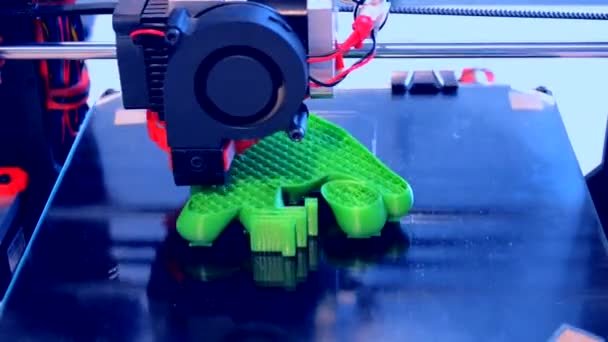
One of the significant advantages of combining 3D printing with circular economy principles is the ability to reuse materials. By recycling and reprinting, manufacturers can significantly reduce the environmental footprint of their products. This not only conserves resources but also reduces the energy consumption associated with producing new materials.
Challenges and Considerations
While the integration of 3D printing and circular economy principles offers numerous benefits, there are challenges to consider. The initial cost of 3D printers and the need for specialized materials can be barriers for some businesses. Additionally, ensuring the quality and safety of recycled materials remains a critical concern.
Future Prospects
As technology advances, the synergy between 3D printing and sustainable practices is expected to grow. Innovations in material science and recycling processes will likely enhance the feasibility and efficiency of this approach, paving the way for a more sustainable manufacturing landscape.
FAQs
What is a circular economy?
A circular economy is an economic system aimed at eliminating waste and the continual use of resources by creating closed-loop systems where products, materials, and resources are reused and recycled.
How does 3D printing contribute to sustainability?
3D printing contributes to sustainability by enabling on-demand production, reducing waste, and allowing for the recycling and reuse of materials, which minimizes the environmental impact of manufacturing.
What are the challenges of using 3D printing in a circular economy?
Challenges include the initial cost of 3D printers, the need for specialized materials, and ensuring the quality and safety of recycled materials used in the printing process.