The impact of 3D printing on supply chains is transforming how products are designed, manufactured, and delivered across industries. By enabling on-demand production and reducing reliance on traditional manufacturing processes, additive manufacturing is driving a new era of speed and adaptability. Businesses are rethinking logistics, inventory management, and even product development as this technology matures.
As companies seek to remain competitive and resilient, understanding how 3D printing reshapes supply networks is essential. This article explores the practical effects of additive manufacturing on logistics, inventory, and production strategies, and highlights the opportunities and challenges that come with this shift.

For those interested in related advances in production, you may also want to explore the benefits of micro-factory models for fashion printing, which share some of the same principles of flexibility and efficiency as additive manufacturing.
How Additive Manufacturing Is Reshaping Logistics
The adoption of 3D printing is altering the structure of supply chains by enabling localized, on-demand production. Instead of relying on centralized factories and extensive shipping, companies can now produce parts and products closer to the point of use. This shift reduces transportation costs, shortens lead times, and minimizes the risk of disruptions caused by global events.
One of the most significant changes is the ability to manufacture complex components without the need for specialized tooling or molds. This flexibility means that businesses can respond quickly to changes in demand or design, reducing the need for large inventories and lengthy procurement cycles.
Faster Production and Reduced Lead Times
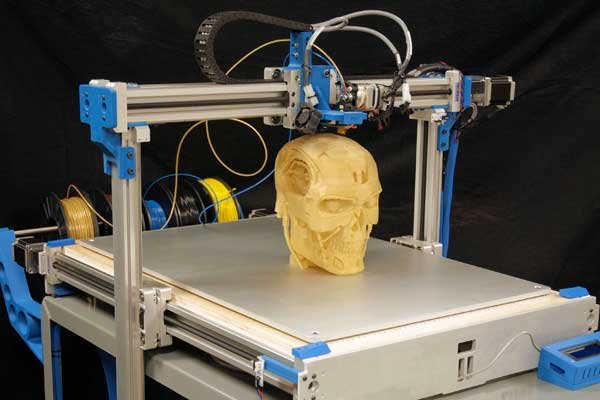
One of the most immediate benefits of integrating 3D printing into supply networks is the acceleration of production cycles. Traditional manufacturing often involves multiple steps, including tooling, assembly, and shipping. Additive manufacturing streamlines this process by allowing direct fabrication from digital files, eliminating many intermediate stages.
This rapid turnaround is especially valuable for industries that require quick prototyping or small-batch production. For example, automotive and aerospace companies can produce replacement parts on-site, reducing downtime and avoiding costly delays. The ability to quickly adapt to new requirements or customer feedback further enhances responsiveness.
Increased Flexibility and Customization
Flexibility is a hallmark of 3D printing. Unlike conventional methods, which often require large minimum order quantities and significant setup costs, additive manufacturing supports low-volume, highly customized production. This opens up new possibilities for personalized products and niche markets.
Companies can now offer tailored solutions without incurring prohibitive costs. For instance, medical device manufacturers can create patient-specific implants, while fashion brands can experiment with unique designs and rapid iterations. This adaptability is a key driver behind the growing interest in 3D printing for supply chain optimization.
For those looking to optimize garment production, understanding what is soft hand feel in garment printing can be as crucial as leveraging new manufacturing technologies.
Inventory Management and Cost Implications
The shift toward on-demand production has significant implications for inventory management. With 3D printing, companies can maintain digital inventories rather than physical stock, producing items only when needed. This approach reduces warehousing costs, minimizes waste, and lowers the risk of obsolete inventory.
While the initial investment in 3D printing equipment and training can be substantial, the long-term savings from reduced storage and transportation often outweigh these costs. Additionally, the ability to produce spare parts or discontinued items on demand extends product lifecycles and enhances customer satisfaction.
Challenges and Considerations for Implementation
Despite its many advantages, integrating additive manufacturing into supply chains is not without challenges. Quality control, material limitations, and intellectual property concerns are among the issues that organizations must address. Ensuring consistent standards across distributed production sites requires robust processes and monitoring.
Furthermore, not all products are suitable for 3D printing, and the economics may not favor every application. Companies should carefully evaluate where additive manufacturing adds the most value and develop strategies for scaling up as technology advances.
For a deeper dive into the technical aspects and applications of this technology, see this comprehensive guide to 3D printing.
Future Outlook: The Evolving Role of 3D Printing in Supply Networks
As additive manufacturing continues to evolve, its role in supply chain transformation is expected to grow. Advances in materials, speed, and scalability will expand the range of products that can be produced efficiently. The integration of digital design, automation, and data analytics will further enhance the benefits of this technology.
Companies that embrace these changes will be better positioned to respond to market shifts, reduce costs, and deliver innovative products. The combination of speed, flexibility, and localized production is likely to become a defining feature of modern supply chains.
Those interested in comparing other production methods may also find value in learning about what is embroidery vs printing for brand logos, which highlights the pros and cons of different manufacturing approaches.
FAQ: 3D Printing and Modern Supply Chains
How does 3D printing reduce supply chain risks?
By enabling local, on-demand production, additive manufacturing minimizes reliance on global shipping and centralized factories. This reduces exposure to disruptions such as transportation delays, trade restrictions, or supply shortages, making supply chains more resilient.
Can 3D printing help lower inventory costs?
Yes, companies can maintain digital inventories and produce items only when needed. This approach reduces the need for large warehouses, lowers the risk of excess or obsolete stock, and helps businesses respond quickly to changing demand.
What industries benefit most from 3D printing in supply chains?
Sectors such as aerospace, automotive, healthcare, and consumer goods are leading adopters. These industries benefit from rapid prototyping, customized production, and the ability to manufacture complex parts without extensive tooling.
Are there limitations to using 3D printing for all supply chain needs?
While additive manufacturing offers many advantages, it may not be suitable for high-volume, low-cost items or products requiring specific materials and finishes. Companies should assess where the technology adds the most value and consider hybrid approaches that combine traditional and digital manufacturing.
For further reading on optimizing production and removing defects, see how to remove ghost images from printing screens and benefits of direct to film for small fashion labels.