Printing on satin and other glossy textiles is a crucial technique for brands and designers aiming to produce high-end, visually striking apparel. These fabrics, known for their smooth finish and reflective sheen, require careful handling and specialized methods to achieve vibrant, durable prints without compromising the fabric’s luxurious feel. Whether you’re a fashion entrepreneur, a print shop owner, or a creative looking to expand your skill set, understanding how to print on satin and glossy materials is essential for delivering premium results in the luxury wear market.
In this guide, we’ll break down the unique challenges of working with shiny textiles, review the most effective printing techniques, and offer practical tips for achieving crisp, lasting designs. We’ll also discuss how to maintain the soft hand feel and drape that make these materials so desirable in high-end fashion. For those interested in the tactile qualities of printed garments, you might also find value in learning about what is soft hand feel in garment printing and how to achieve it alongside your print work.
Understanding Satin and Glossy Fabrics
Satin and glossy materials are favored in luxury fashion for their lustrous appearance and smooth touch. Satin is typically woven from silk, polyester, or acetate fibers, using a weave that maximizes surface shine. Other glossy textiles, such as charmeuse or certain synthetics, share similar characteristics. These fabrics are often lightweight, slippery, and sensitive to heat and pressure, which can make printing more challenging compared to matte or textured materials.
The reflective surface of these textiles can cause ink to sit on top rather than being absorbed, leading to issues like smudging, color shifting, or loss of detail. Additionally, improper handling can damage the fabric’s sheen or alter its drape, diminishing the garment’s luxury appeal.
Key Challenges When Printing on Shiny Textiles
Before diving into specific techniques, it’s important to recognize the main obstacles encountered when printing on glossy fabrics:
- Ink adhesion: The slick surface can make it difficult for ink or dye to bond securely, risking fading or flaking.
- Color vibrancy: The reflective nature of the material can affect how colors appear, sometimes making them look less saturated.
- Fabric distortion: High temperatures or excessive pressure during printing can damage the fabric’s structure or finish.
- Maintaining hand feel: Overly thick prints can make the fabric stiff, detracting from its natural drape and softness.
Addressing these challenges requires selecting the right printing process, using compatible inks, and following best practices tailored to luxury materials.
Popular Printing Methods for Satin and Glossy Fabrics
There are several proven techniques for printing on shiny textiles. The best choice depends on your production scale, design complexity, and the specific type of fabric you’re working with. Here’s an overview of the most effective approaches:
1. Digital Textile Printing
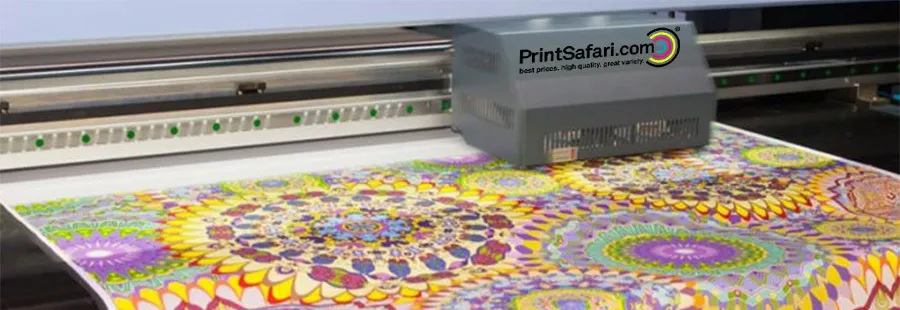
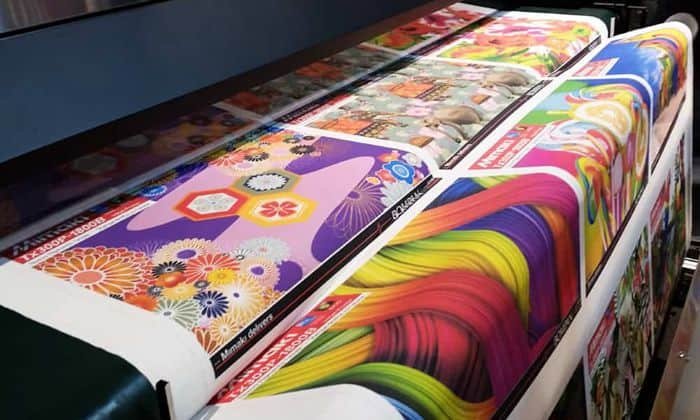
Digital printing has become a go-to method for luxury fabrics due to its precision and versatility. This process uses inkjet technology to apply water-based inks directly onto the fabric’s surface. For satin and similar materials, dye-sublimation and reactive dye digital printing are particularly popular.
- Dye-sublimation: Ideal for polyester-based satin, this method uses heat to transfer dye into the fibers, producing vibrant, wash-resistant prints without adding weight or stiffness.
- Reactive dye digital printing: Suitable for silk and cellulose-based glossy fabrics, this technique chemically bonds the dye to the fiber, resulting in soft, colorfast designs.
Digital printing allows for intricate patterns and photographic detail, making it perfect for high-end fashion. For a deeper dive into the impact of digital technology on fabric production, see this analysis of digital textile printing’s role in modern fabric production.
2. Screen Printing
Screen printing remains a staple for both small and large runs, offering bold, opaque colors. However, when working with satin or glossy materials, it’s crucial to use fine mesh screens and specialized inks formulated for slick surfaces. Water-based or discharge inks can help maintain the fabric’s natural feel, while plastisol inks may be used for more opaque effects, provided they are applied thinly to avoid stiffness.
Proper curing at lower temperatures is essential to prevent damage to the fabric’s sheen. For those weighing production options, understanding the differences between manual and automatic screen printing can help you choose the best method for your needs.
3. Heat Transfer Printing
This technique involves printing a design onto a transfer paper, then using heat and pressure to apply it to the fabric. It’s suitable for both polyester and silk-based glossy textiles, provided you use transfer films and adhesives designed for delicate materials. Careful temperature control is vital to avoid scorching or distorting the fabric.
Best Practices for Printing on Luxury Fabrics
To achieve professional results when printing on satin and glossy materials, follow these practical tips:
- Pre-treat the fabric: Many shiny textiles benefit from a pre-treatment wash or coating that improves ink adhesion and color vibrancy.
- Test before full production: Always run a sample print to check for color accuracy, ink absorption, and fabric reaction.
- Use compatible inks: Select inks specifically formulated for the fiber content and finish of your fabric. Avoid generic inks that may not bond well or could dull the sheen.
- Control heat and pressure: Use lower temperatures and minimal pressure during curing or heat transfer to protect the fabric’s surface.
- Handle with care: Avoid stretching or wrinkling the fabric during printing and drying to maintain its smooth appearance.
- Finish with gentle processes: Post-print treatments, such as steaming or gentle pressing, can help restore the fabric’s luster without damaging the print.
Maintaining Softness and Drape in Printed Satin
One of the hallmarks of luxury wear is the combination of stunning visuals and a soft, flowing hand feel. To keep printed satin and glossy fabrics supple:
- Opt for thin, water-based inks and avoid heavy layering.
- Use printing techniques that bond color within the fibers rather than sitting on top.
- Minimize chemical and mechanical stress during post-processing.
For more on preserving the tactile qualities of printed garments, refer to the earlier resource on what is soft hand feel in garment printing.
Common Mistakes to Avoid
Even experienced printers can run into trouble when working with high-sheen textiles. Here are some pitfalls to watch out for:
- Skipping pre-treatment: This can lead to poor ink adhesion and faded prints.
- Using the wrong ink: Standard textile inks may not bond properly or could obscure the fabric’s shine.
- Overheating: Excessive heat can scorch or yellow the fabric, ruining its luxury appeal.
- Neglecting test prints: Failing to sample can result in costly errors and wasted materials.
Frequently Asked Questions
What is the best printing method for satin used in luxury fashion?
Digital textile printing, especially dye-sublimation for polyester satin and reactive dye printing for silk, offers the best combination of color vibrancy, detail, and fabric preservation. Screen printing can also be effective with the right inks and careful technique.
How can I keep prints on glossy fabrics from fading or cracking?
Use inks designed for the specific fiber type and finish of your fabric, pre-treat the textile if needed, and cure at lower temperatures. Always test your process on a sample before full production to ensure durability.
Can I achieve a soft hand feel when printing on shiny materials?
Yes. Choose water-based or fiber-reactive inks, avoid heavy ink deposits, and use printing methods that integrate color into the fabric rather than creating a thick surface layer. For more tips, see our guide on what is soft hand feel in garment printing.
Conclusion
Mastering how to print on satin and glossy materials opens up new creative possibilities in luxury apparel. By understanding the unique properties of these fabrics, selecting the right printing technique, and following best practices, you can produce garments that are both visually stunning and comfortable to wear. As technology evolves, so do the options for achieving high-quality results on even the most challenging textiles. Stay informed, experiment carefully, and your luxury wear collections will stand out for their beauty and craftsmanship.