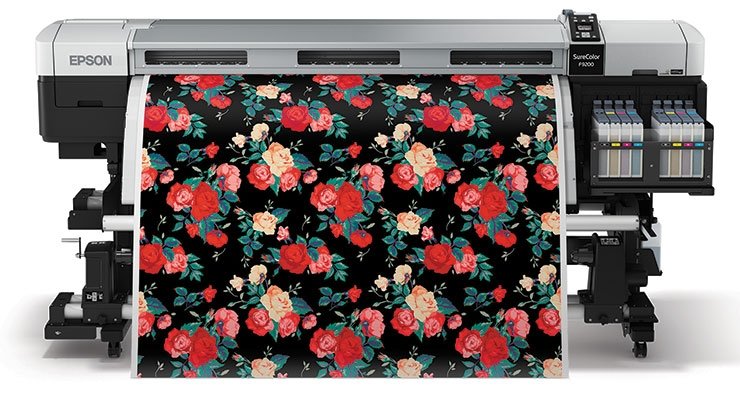
Screen printing remains a cornerstone of the textile and apparel industry, offering versatility for everything from custom t-shirts to large-scale fabric production. One of the most common questions for businesses and creators is what is manual vs automatic screen printing, and how do these two approaches compare in terms of workflow, results, and investment? Understanding the differences can help you choose the right process for your needs, whether you’re running a small studio or scaling up to industrial production.
Before diving into the technical details, it’s helpful to note that the choice between manual and automatic methods affects not only speed and labor but also the quality, consistency, and cost of your finished products. For those interested in achieving a soft hand feel in garment printing, the method you select can make a significant difference in the final texture and durability of your prints.
Understanding the Basics: Manual and Automatic Screen Printing Explained
At its core, screen printing involves pushing ink through a mesh stencil (the screen) onto a substrate, typically fabric. The distinction between manual and automatic processes lies in how the screen, squeegee, and substrate are handled:
- Manual screen printing relies on human labor to align the screen, apply ink, and operate the squeegee. Each print is made by hand, with the operator controlling pressure and speed.
- Automatic screen printing uses machines to automate the movement of screens, squeegees, and platens. Operators load and unload garments, but the printing itself is performed by the press with precise, repeatable motions.
This fundamental difference impacts every aspect of production, from setup and throughput to print consistency and labor requirements.
Comparing Workflow and Output Quality
When evaluating what is manual vs automatic screen printing in practice, it’s important to consider how each method affects daily operations and the finished product.
Manual Printing: Flexibility and Craftsmanship
Manual presses are favored by small shops, artists, and those producing limited runs or highly customized designs. The hands-on approach allows for creative control and adjustments on the fly, making it ideal for specialty inks, unique placements, or experimental techniques. However, manual printing is physically demanding and can be inconsistent, especially over long runs or with complex multi-color jobs.
Automatic Printing: Efficiency and Consistency
Automatic presses excel in high-volume environments. Machines maintain steady pressure, speed, and registration, resulting in uniform prints across hundreds or thousands of garments. This consistency is crucial for brands that demand repeatable quality. Automation also reduces operator fatigue and increases output, but it requires a larger upfront investment and more space for equipment.
Pros and Cons of Manual Screen Printing
Choosing a manual setup offers several advantages, particularly for those starting out or focusing on niche markets. Here are some key points to consider:
- Lower initial cost: Manual presses are significantly less expensive than their automatic counterparts, making them accessible for small businesses and hobbyists.
- Space-saving: Manual equipment has a smaller footprint, fitting easily into home studios or small workshops.
- Creative flexibility: Operators can experiment with pressure, angle, and ink application, enabling unique effects and specialty prints.
- Slower production: Output is limited by the speed and endurance of the operator, making large orders time-consuming.
- Inconsistent results: Variability in hand pressure and alignment can lead to differences between prints, especially in multi-color jobs.
- Physical demands: Repetitive motion and manual labor can lead to fatigue and injury over time.
Pros and Cons of Automatic Screen Printing
For those considering scaling up, automatic presses bring a different set of benefits and challenges:
- High production speed: Machines can print hundreds or even thousands of garments per hour, ideal for large orders and tight deadlines.
- Consistent quality: Automation ensures uniform ink coverage, registration, and print placement across every item.
- Reduced labor: Fewer operators are needed, and physical strain is minimized.
- Higher upfront investment: Equipment costs can be substantial, often requiring financing or significant capital.
- Space requirements: Automatic presses are larger and need dedicated space, ventilation, and sometimes additional power supply.
- Less flexibility: Quick changes or experimental techniques are more challenging, as machines are optimized for repeatable tasks.
Cost Breakdown: Equipment, Labor, and Long-Term Value
Understanding the financial implications is crucial when deciding between manual and automatic methods. Here’s a breakdown of the major cost factors:
| Aspect | Manual Printing | Automatic Printing |
|---|---|---|
| Equipment Cost | Low (entry-level presses from $200–$2,000) | High (industrial presses from $15,000–$100,000+) |
| Labor | High (one operator per press) | Low (one operator can manage multiple machines) |
| Maintenance | Minimal | Regular servicing required |
| Production Speed | Up to 100 prints/hour | Up to 1,000+ prints/hour |
| Space Needed | Small | Large |
While manual presses are affordable and easy to maintain, their slower output can limit profitability for growing businesses. Automatic presses require a significant investment but can pay off quickly with high-volume orders and reduced labor costs.
Choosing the Right Method for Your Business
The decision between manual and automatic screen printing depends on your production goals, budget, and available space. Small businesses, startups, or artists focused on custom work may find manual presses more practical. In contrast, established print shops aiming for large contracts or retail fulfillment will benefit from the speed and consistency of automation.
It’s also worth considering hybrid approaches. Some shops start with manual presses and gradually add automatic equipment as demand grows. Others use both methods side by side, reserving manual presses for specialty jobs and automatics for bulk orders.
For those exploring advanced techniques or digital alternatives, resources like this introduction to digital textile printing can provide additional insights into how screen printing compares with newer technologies.
Integrating Screen Printing Into Modern Production Models
As the industry evolves, many businesses are adopting micro-factory models and lean manufacturing principles. These approaches prioritize flexibility, short runs, and rapid turnaround. Understanding what is manual vs automatic screen printing is key to optimizing your workflow within these modern frameworks. For more on this topic, see the benefits of micro-factory models for fashion printing and how they can complement both manual and automated processes.
Frequently Asked Questions
What are the main differences between manual and automatic screen printing?
The main differences lie in how the process is operated. Manual screen printing is done by hand, offering flexibility and creative control but slower output and more variability. Automatic screen printing uses machines for consistent, high-speed production, ideal for large orders but requiring more investment and space.
Is manual screen printing better for small businesses?
Manual presses are often better suited for small businesses, startups, or artists who need lower upfront costs, limited space, and the ability to experiment with custom designs. However, as order volume increases, automation may become more cost-effective.
How do costs compare between manual and automatic setups?
Manual setups are much less expensive initially, with lower equipment and maintenance costs. However, labor costs and slower production can limit profitability for large orders. Automatic presses require a significant investment but offer faster output and reduced labor per unit, which can lead to greater long-term savings for high-volume operations.