Ensuring the durability and vibrancy of printed garments is essential for both manufacturers and consumers. Color fastness refers to a fabric’s ability to retain its color when subjected to various conditions such as washing, rubbing, light exposure, and perspiration. For brands and textile producers, understanding how to test color fastness of printed clothing is a critical step in quality control. Reliable testing helps prevent customer complaints, product returns, and damage to brand reputation.
This article provides a practical overview of the main color fastness tests, why they matter, and how to implement them effectively in a production or quality assurance setting. If you’re interested in optimizing your print process, you may also want to explore techniques like how to print on dark fabrics effectively for even better results.
Understanding Color Fastness and Its Importance
Color fastness is a key indicator of print quality and garment longevity. When prints fade, bleed, or transfer color, it not only affects the visual appeal but can also compromise the perceived value of the product. For apparel brands, maintaining high standards in color retention is crucial for customer satisfaction and compliance with industry regulations.
There are several factors that can impact color stability, including the type of fabric, the printing technique used, the nature of the dyes or pigments, and post-printing treatments. To ensure consistent results, manufacturers perform specific tests that simulate real-world conditions.
Common Methods for Assessing Color Fastness in Printed Apparel
Testing the resistance of prints to various stressors involves standardized procedures. Below are the most widely used methods for evaluating the durability of printed colors:
Washing Fastness Testing
This test measures how well a print withstands repeated laundering. A sample of the printed garment is washed under controlled conditions, often with other fabric swatches to detect color transfer. After washing, the change in color intensity and any staining on adjacent fabrics are assessed using a grey scale or digital colorimeter.

Rubbing (Crocking) Resistance
This method evaluates how much color rubs off when the printed surface is subjected to friction. Both dry and wet rubbing tests are performed by placing a white cloth against the print and moving it back and forth under a specified pressure. The degree of color transfer is then compared to a standard scale.
Light Fastness Evaluation
Exposure to sunlight or artificial light can cause colors to fade over time. In this test, printed samples are placed under a light source for a set period, and any fading is measured. This is particularly important for garments intended for outdoor use or display.
Perspiration and Water Resistance
For sportswear and summer clothing, resistance to sweat and water is crucial. Samples are treated with artificial perspiration or water solutions, then subjected to heat and pressure. The resulting color changes are evaluated to determine suitability for activewear.
Step-by-Step Guide: How to Assess Color Fastness in Printed Garments
Implementing a systematic approach to color retention testing ensures reliable results. Here’s a practical workflow for quality control teams:
- Sample Preparation: Cut swatches from different areas of the printed garment, ensuring representation of all print colors and techniques used.
- Selection of Test Methods: Choose appropriate tests based on garment end-use (e.g., washing, rubbing, light exposure).
- Execution of Standardized Tests: Follow recognized protocols such as ISO, AATCC, or local standards for each test. Use calibrated equipment and maintain consistent test conditions.
- Evaluation and Grading: Compare test results against control samples or grey scales. Record any color changes, staining, or fading.
- Documentation and Reporting: Maintain detailed records for traceability and compliance. Use results to inform production adjustments or supplier feedback.
Factors Affecting Test Outcomes
Several variables can influence the results of color retention tests. These include:
- Type of Fabric: Natural fibers like cotton may behave differently from synthetics such as polyester.
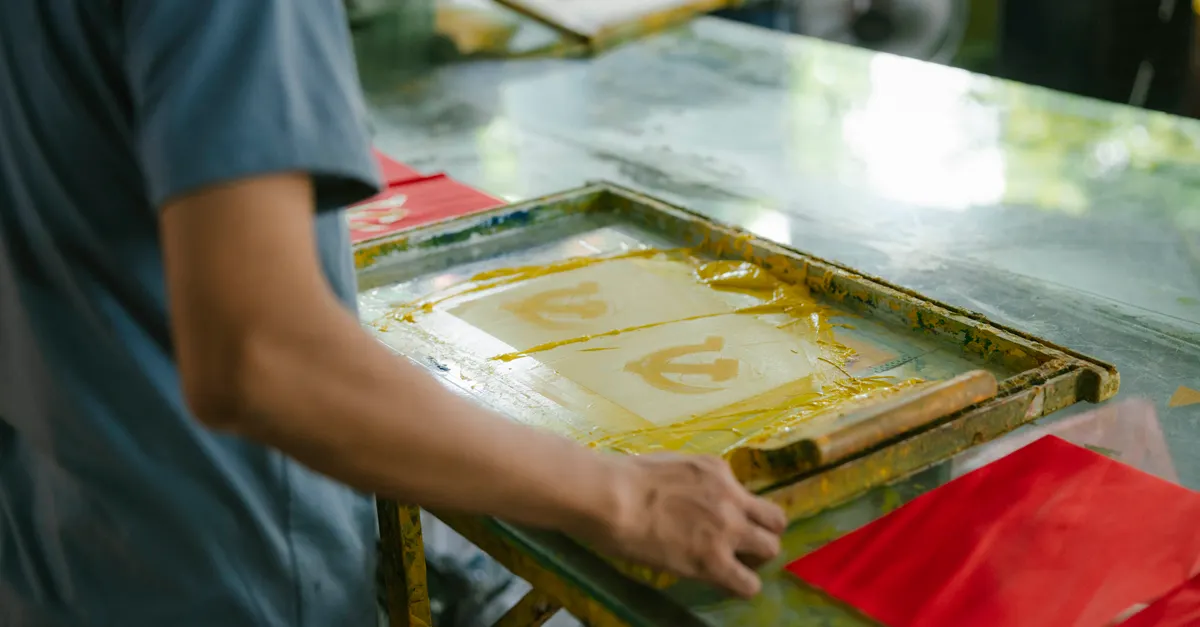
- Printing Technique: Methods like screen printing, digital printing, or heat transfer each have unique characteristics. For a deeper understanding, see this comparison of silk screen vs heat transfer printing.
- Dye or Pigment Quality: The chemical composition and fixation process impact color durability.
- After-Treatments: Washing, curing, or applying protective coatings can enhance or reduce fastness.
Best Practices for Reliable Color Fastness Testing
To achieve consistent and accurate results, consider the following recommendations:
- Always use standardized test methods and calibrated equipment.
- Test multiple samples from each production batch.
- Document all procedures and results for traceability.
- Train staff regularly on updated testing protocols.
- Collaborate with suppliers to address any recurring issues.
Industry Standards and Certifications
Adhering to recognized standards such as ISO 105, AATCC, or local equivalents is essential for global trade and compliance. Many brands also seek third-party certifications to demonstrate their commitment to quality and sustainability.
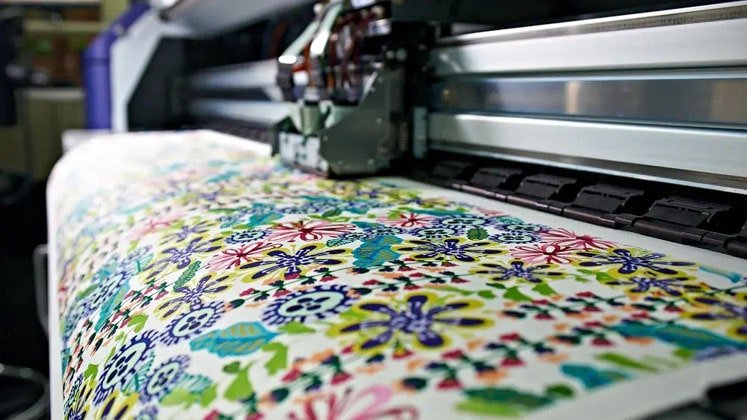
For those interested in the latest advancements, digital textile printing is transforming how color durability is achieved and tested. Learn more about these innovations in this overview of digital textile printing’s impact on fabric production.
Frequently Asked Questions
What is the most important test for color fastness in printed clothing?
The most critical test depends on the garment’s intended use. For everyday apparel, washing fastness is often prioritized, as it simulates real consumer conditions. For sportswear or outdoor garments, perspiration and light fastness may be equally important.
How often should color fastness tests be performed during production?
It’s recommended to test samples from every production batch, especially when changing suppliers, materials, or print methods. Regular testing helps catch inconsistencies early and maintain quality standards.
Can color fastness be improved after printing?
Yes, post-print treatments such as proper curing, washing, or applying fixatives can enhance color retention. The choice of ink or dye and the printing process itself also play a significant role in the final result.
Are there differences in color fastness between digital and traditional printing methods?
Yes, digital printing and traditional methods like screen printing use different inks and fixation processes, which can affect color durability. Advances in digital technology have significantly improved fastness, but it’s still important to test each method according to its specific requirements.
Conclusion
Mastering how to test color fastness of printed clothing is fundamental for any apparel business focused on quality and customer satisfaction. By following standardized procedures, understanding the variables involved, and staying informed about new technologies, brands can ensure their products remain vibrant and reliable throughout their lifecycle. For more tips on optimizing your print process, consider exploring how to achieve high resolution prints on cotton or learn how to set up a tech pack for textile printing to streamline your production workflow.