Printed textiles bring color, personality, and unique design to garments, interiors, and crafts. Yet, without proper care, these vibrant patterns can quickly lose their brilliance or even suffer physical damage. Understanding how to store printed fabrics to prevent fading is essential for anyone who wants to preserve the life and quality of their textiles, whether they’re cherished garments, rolls of material for future projects, or finished home decor items.
Exposure to sunlight, moisture, dust, and improper folding are just a few of the factors that can cause colors to dull and fibers to deteriorate. By following a few best practices, you can ensure your printed fabrics remain as eye-catching and durable as the day you acquired them.
For those interested in the tactile qualities of textiles, understanding what is soft hand feel in garment printing can also help you choose the right storage method for delicate or specialty prints.
Why Proper Storage Matters for Printed Textiles
Printed fabrics are often more sensitive to environmental factors than plain weaves or solid-dyed materials. The inks or dyes used in digital, screen, or rotary printing can react to light, humidity, and even the way fabrics are folded or stacked. Inadequate storage can result in:
- Fading from UV exposure or chemical reactions
- Color transfer or bleeding between layers
- Mildew and mold from excess moisture
- Permanent creasing or fiber breakage from improper folding
- Dust accumulation dulling the surface and colors
Taking the time to store your printed fabrics correctly helps maintain their appearance and extends their usable life, saving money and reducing waste.
Key Factors That Cause Fading and Damage
Before diving into storage solutions, it’s important to understand what causes printed textiles to deteriorate. The most common culprits include:
- Sunlight: Ultraviolet rays break down both fibers and dyes, leading to rapid fading.
- Humidity: Excess moisture encourages mold growth and can cause dyes to run or bleed.
- Heat: High temperatures can accelerate fading and weaken fabric structure.
- Physical Stress: Tight folding, stacking, or compression can leave permanent marks or distort prints.
- Dust and Pollutants: Fine particles can abrade the surface and attract insects.
By controlling these factors, you can dramatically reduce the risk of fading and other forms of damage.
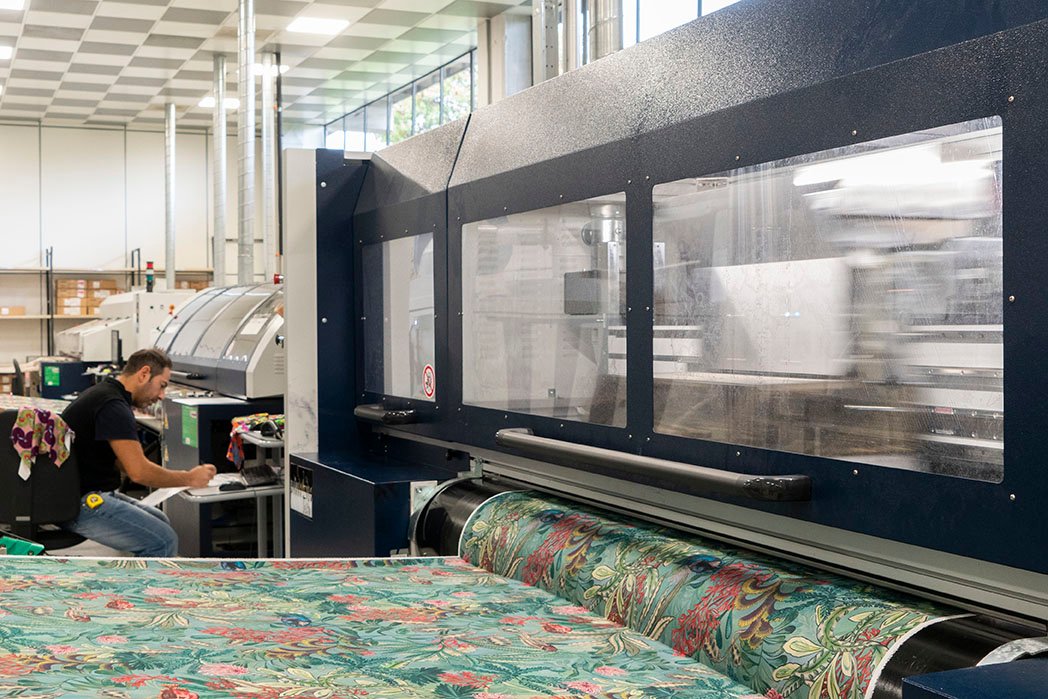
Best Practices for Storing Printed Fabrics to Prevent Fading
To keep your printed textiles vibrant and intact, follow these essential storage guidelines:
1. Choose the Right Environment
Store fabrics in a cool, dry, and dark space. Avoid areas near windows, radiators, or vents. Closets, drawers, or dedicated storage bins in temperature-controlled rooms are ideal. If possible, use a dehumidifier to maintain a relative humidity of 40–50%.
2. Limit Light Exposure
Light, especially sunlight, is the primary cause of fading. Keep printed textiles away from direct or even indirect sunlight. Use opaque storage containers or wrap fabrics in acid-free tissue paper or unbleached cotton sheeting to add an extra layer of protection.
3. Maintain Cleanliness
Dust and dirt can abrade prints and attract pests. Wash hands before handling, and clean storage areas regularly. If storing for long periods, consider using breathable garment bags or fabric covers rather than plastic, which can trap moisture and cause mildew.
4. Fold with Care
Fold fabrics loosely to avoid sharp creases that can break fibers or distort prints. For valuable or delicate items, roll instead of folding. Place acid-free tissue between layers to prevent color transfer and reduce friction.
5. Avoid Plastic When Possible
While plastic bins can protect against dust and pests, they can also trap humidity and off-gas chemicals that may affect dyes. If using plastic, ensure fabrics are completely dry and line bins with cotton or acid-free paper.
6. Store Flat or Rolled for Large Pieces
For large yardage or precious prints, rolling onto acid-free tubes is preferable to folding. This method prevents creasing and minimizes surface abrasion. Cover rolls with muslin or acid-free paper to shield from dust and light.

Special Considerations for Different Fabric Types
Not all printed textiles are created equal. The type of fiber and printing method can affect how you should store them:
- Cotton and Linen: These natural fibers are breathable but can be prone to mildew. Store in a dry place and avoid plastic covers.
- Synthetics (Polyester, Nylon): Less susceptible to mildew but can develop static and attract dust. Use anti-static tissue if needed.
- Silk: Extremely sensitive to light and moisture. Always store in the dark and use acid-free tissue between folds.
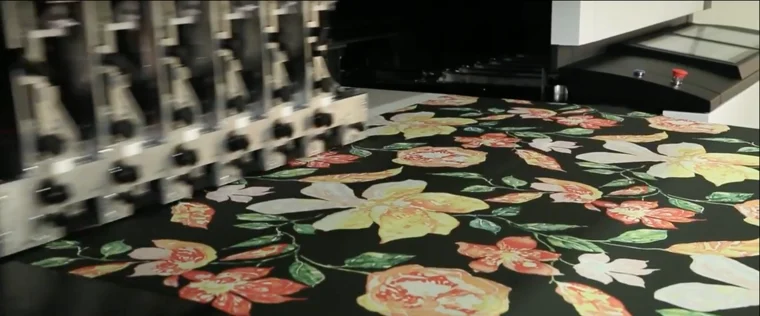
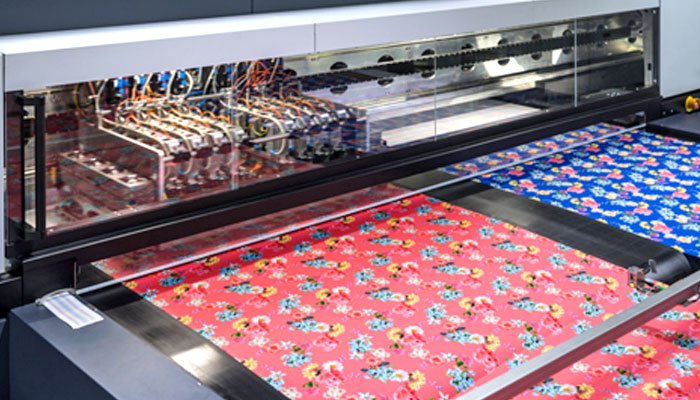
- Digitally Printed Fabrics: Some digital inks are more light-sensitive. For more on digital textile printing, see this comprehensive guide to digital textile printing.
Long-Term Storage Tips to Prevent Fading and Damage
For fabrics that will be stored for months or years, take extra precautions:
- Refold or reroll fabrics every few months to prevent permanent creasing.
- Check periodically for signs of pests, moisture, or fading.
- Use cedar blocks or lavender sachets to deter insects, but avoid direct contact with the fabric.
- Label storage containers with fabric type, print, and date stored for easy identification.
These steps help ensure that your textiles remain in excellent condition, ready for use whenever inspiration strikes.
Common Mistakes to Avoid When Storing Printed Textiles
Even with the best intentions, a few common errors can lead to disappointment:
- Storing fabrics in attics, basements, or garages where temperature and humidity fluctuate.
- Using colored tissue paper or newspaper, which can transfer dyes to the fabric.
- Stacking heavy items on top of delicate prints, causing distortion or crushing.
- Ignoring the need for periodic inspection, which can allow small issues to become major problems.
By steering clear of these pitfalls, you’ll protect both the beauty and integrity of your printed fabrics.
Frequently Asked Questions
How can I tell if my storage area is too humid for printed fabrics?
Signs of excess humidity include a musty smell, visible mold or mildew, or fabrics feeling damp to the touch. Using a hygrometer can help you monitor humidity levels. Aim for a relative humidity of 40–50% to keep textiles safe.
Is it safe to store printed fabrics in vacuum-sealed bags?
Vacuum-sealed bags can compress fibers and cause permanent creases, especially in delicate or natural fabrics. They may also trap moisture, increasing the risk of mildew. For long-term storage, breathable fabric bags or acid-free boxes are safer choices.
How often should I check on my stored printed fabrics?
Inspect stored textiles at least every six months. Look for signs of fading, pests, or moisture. Refold or reroll as needed to prevent permanent creasing and ensure even exposure to environmental conditions.
Conclusion
Preserving the vibrancy and structure of printed textiles requires attention to environment, handling, and storage materials. By following these best practices for how to store printed fabrics to prevent fading, you’ll extend the life and beauty of your favorite prints. Whether you’re a designer, crafter, or collector, proper storage is a simple investment that pays off in years of enjoyment and creative possibilities.