Denim is a timeless fabric, loved for its durability and style. As the demand for personalized fashion grows, more brands and creatives are exploring how to print on denim for custom jeans and unique apparel. Whether you’re a designer, small business owner, or DIY enthusiast, understanding the right techniques and tools is essential for achieving professional results on this textured material.
Before diving into the printing process, it’s important to consider the fabric’s weave, thickness, and finish. Denim’s surface can be challenging, but with the right approach, you can create vibrant, long-lasting designs that stand out in the world of custom fashion.
For those interested in the tactile qualities of printed garments, learning about what is soft hand feel in garment printing can help you achieve both comfort and style in your denim creations.
Understanding Denim and Its Printing Challenges
Denim is a cotton twill fabric known for its rugged texture and indigo-dyed threads. Its uneven surface and thickness present unique challenges for printing. Ink absorption, color vibrancy, and design sharpness can all be affected by denim’s structure.
To get the best results, it’s crucial to choose printing methods and inks that are compatible with denim. Pre-treating the fabric and selecting the right type of denim (weight, wash, and finish) can also influence the final outcome.
Popular Methods for Printing on Denim
There are several techniques available for adding custom graphics to jeans and denim apparel. Each method offers distinct advantages, depending on your design goals and production scale.
Screen Printing for Denim
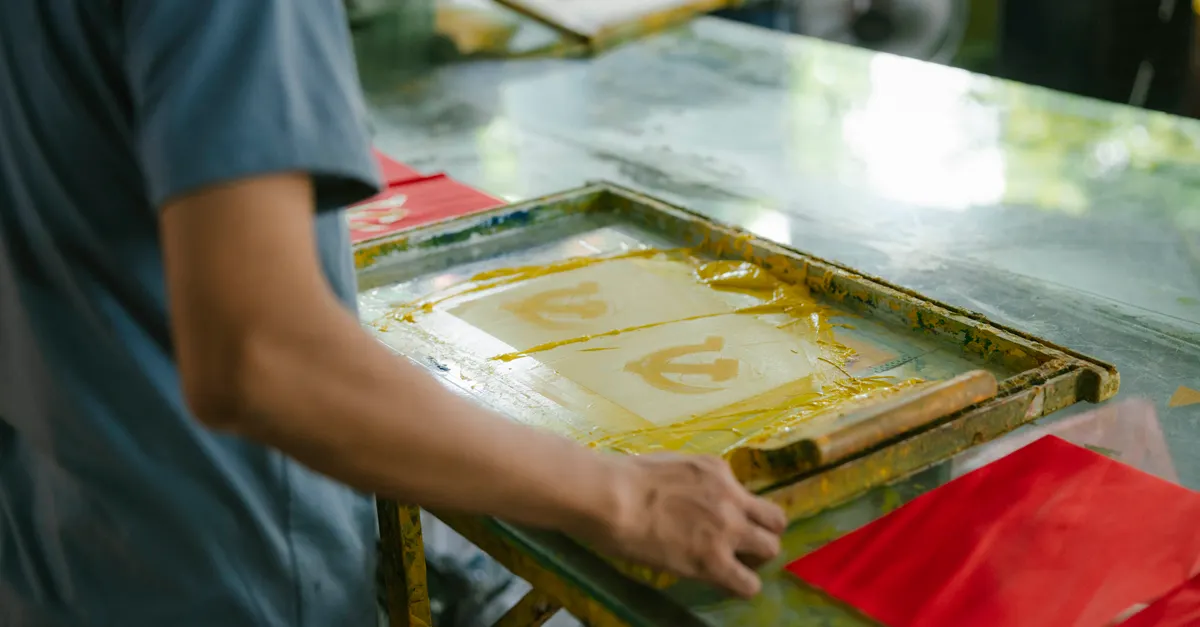
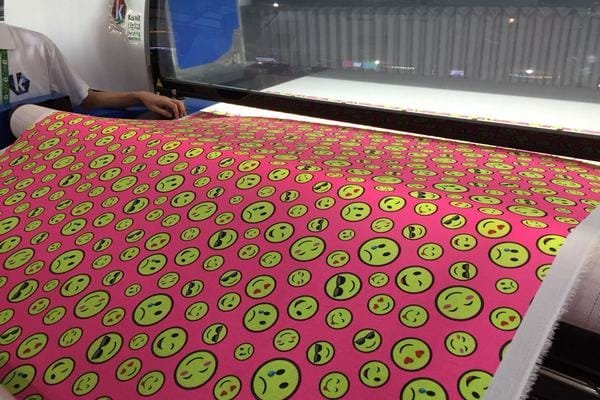
Screen printing is a classic technique that works well for bold, graphic designs on denim. It involves pushing ink through a mesh stencil onto the fabric. This method is ideal for larger runs and designs with limited colors. To ensure the ink bonds properly, a special textile ink formulated for cotton and heavy fabrics is recommended.
- Pros: Durable prints, cost-effective for bulk orders, vibrant colors.
- Cons: Less suitable for highly detailed or multi-color designs, setup can be time-consuming.
Direct-to-Garment (DTG) Printing
DTG printing uses specialized inkjet technology to print full-color images directly onto denim. This method is perfect for intricate artwork, gradients, and photographic prints. Pre-treatment is essential to help the ink adhere to the fabric and maintain color intensity.
- Pros: High detail, unlimited color options, great for short runs and one-offs.
- Cons: Works best on lighter denim, may require post-print curing for durability.
Heat Transfer and Sublimation
Heat transfer involves printing a design onto transfer paper, then using heat and pressure to bond it to the denim. While sublimation is generally used for polyester, heat transfer vinyl (HTV) and plastisol transfers can be applied to cotton denim for custom jeans. These methods are popular for adding logos, patches, or small graphics.
- Pros: Flexible placement, good for small batches and personalization.
- Cons: Transfers may crack or peel over time, especially with heavy wear.
Digital Fabric Printing
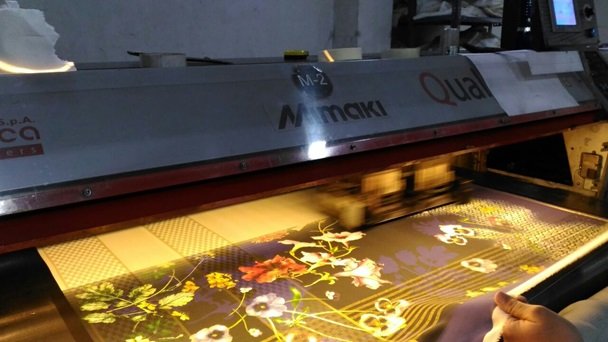
Advancements in digital technology have made it possible to print directly onto rolls of denim fabric before they are cut and sewn. This approach is ideal for brands looking to produce all-over prints or custom yardage. For a comprehensive overview of this technology, see this complete guide to digital fabric printing.
Preparing Denim for Printing
Proper preparation is key to achieving crisp, long-lasting prints on denim. Here are the essential steps:
- Wash and Dry: Pre-wash the denim to remove sizing, oils, and shrinkage. This helps inks adhere better and prevents distortion after printing.
- Iron Flat: Smooth out wrinkles for an even printing surface.
- Pre-Treat (if needed): For DTG and some transfer methods, apply a pre-treatment solution to enhance ink absorption and color vibrancy.
- Test Print: Always test your chosen method on a scrap piece of denim to check for ink spread, color accuracy, and wash durability.
Tips for Achieving the Best Results
To master how to print on denim for custom jeans and apparel, consider these practical tips:
- Choose high-quality, pigment-rich inks designed for cotton fabrics.
- Use a heat press or conveyor dryer to cure prints and improve wash resistance.
- Opt for lighter denim shades when printing detailed or colorful designs, as dark indigo can mute colors.
- For distressed or vintage effects, experiment with discharge inks or post-print washing techniques.
- Combine printing with embroidery or embellishments for a layered, premium look. For a comparison of decoration methods, see what is embroidery vs printing for brand logos.
Scaling Up: From DIY to Production
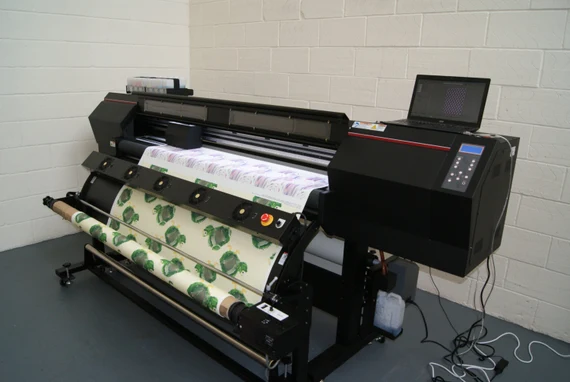
If you’re starting with small batches or one-off pieces, manual screen printing or heat transfer methods are accessible and affordable. As your needs grow, investing in automated screen printing, DTG machines, or digital roll-to-roll printers can help you scale production efficiently.
For brands considering larger-scale operations, exploring the benefits of micro-factory models for fashion printing can streamline workflow and reduce waste, making custom denim production more sustainable and responsive to trends.
Care and Maintenance of Printed Denim
To keep custom prints looking fresh, proper care is essential. Advise customers or end-users to:
- Wash inside out in cold water to reduce abrasion and fading.
- Avoid bleach and harsh detergents.
- Line dry or tumble dry on low to preserve print quality.
- Iron on the reverse side if needed, avoiding direct heat on the printed area.
With the right care, printed denim can maintain its bold look and feel for many wears and washes.
Frequently Asked Questions
What is the most durable method for printing on denim?
Screen printing is widely regarded as the most durable technique for denim, especially when using high-quality textile inks and proper curing. The ink penetrates the fibers, resulting in prints that withstand repeated washing and wear.
Can I use DTG printing on dark denim?
DTG printing works best on light or medium-wash denim. For dark denim, a white underbase is often required to make colors pop, but this can add to production time and cost. Always test your design on the target fabric before full production.
How can I achieve a soft feel on printed denim?
To ensure a soft hand feel, use water-based or discharge inks and avoid heavy ink deposits. For more details, refer to resources about what is soft hand feel in garment printing and how to achieve it in your process.
Is it possible to print all-over designs on denim?
Yes, digital fabric printing allows for all-over prints on denim rolls before cutting and sewing. This method is ideal for brands seeking unique, edge-to-edge patterns on custom jeans and jackets.
How do I prevent prints from fading on denim?
Proper curing, high-quality inks, and following recommended care instructions are key to minimizing fading. Washing denim inside out and avoiding harsh chemicals also help preserve print vibrancy.