The demand for food-safe packaging for frozen food continues to grow as consumers seek convenience and quality in their meals. Ensuring that frozen products remain safe, fresh, and appealing from production to consumption is a complex process that relies heavily on the right packaging solutions. Choosing appropriate materials and designs is essential not only for food safety but also for maintaining texture, flavor, and nutritional value during storage and transportation.
In this article, we’ll explore the essentials of safe packaging for frozen items, discuss key material choices, and highlight compliance requirements. For those interested in broader aspects of packaging and printing, you may also find value in learning about what is soft hand feel in garment printing, which covers tactile qualities in another industry.

Understanding the Importance of Safe Packaging for Frozen Goods
Packaging plays a critical role in preserving the safety and quality of frozen foods. Without proper barriers, products are susceptible to freezer burn, contamination, and loss of freshness. Food-safe packaging for frozen food must meet strict standards to prevent chemical migration, moisture ingress, and the growth of harmful microorganisms.
The right packaging not only extends shelf life but also ensures that food maintains its intended taste, color, and nutritional profile. This is especially important for ready-to-eat meals, seafood, vegetables, and desserts that require long-term storage.
Key Materials Used in Packaging for Frozen Products
Selecting suitable materials is fundamental to creating effective packaging for frozen foods. Each material offers unique benefits and is chosen based on the type of food, storage duration, and distribution requirements.
- Polyethylene (PE): Widely used due to its flexibility, moisture resistance, and ability to withstand low temperatures. PE is common in bags and wraps for vegetables, fruits, and meats.
- Polypropylene (PP): Offers excellent clarity and strength, making it ideal for packaging that requires visibility and durability.
- Multi-layer films: These combine several polymers to provide enhanced barrier properties against oxygen, moisture, and odors. They are often used for vacuum-sealed products and ready meals.
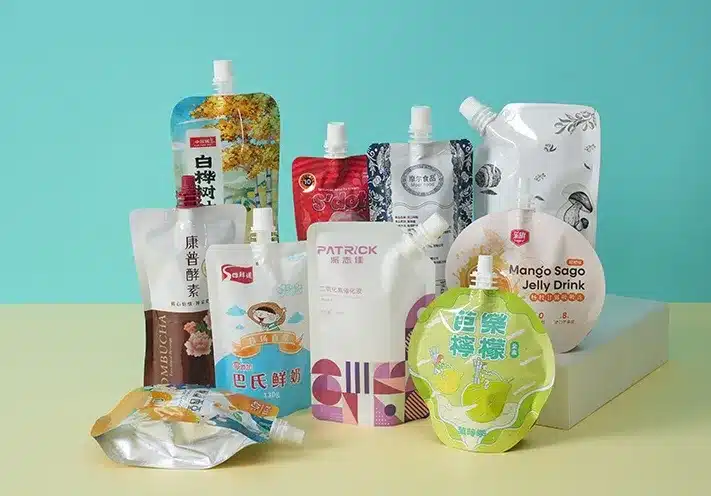
- Aluminum foil: Used as a layer in pouches or trays, aluminum provides a strong barrier to light, moisture, and gases, helping preserve delicate items like seafood and bakery products.
- Paper-based laminates: Increasingly popular for eco-friendly packaging, these materials are coated or laminated to offer moisture and grease resistance.
Compliance and Safety Standards for Frozen Food Packaging
Regulatory compliance is non-negotiable when it comes to packaging for frozen foods. Materials must be certified as food-grade, ensuring they do not leach harmful substances under freezing conditions. In many regions, packaging must comply with standards set by organizations such as the U.S. Food and Drug Administration (FDA) or the European Food Safety Authority (EFSA).
Manufacturers must also consider labeling requirements, traceability, and documentation to demonstrate that their packaging meets all legal and safety obligations. For a deeper dive into regulatory requirements and best practices, refer to this comprehensive guide to food-grade packaging materials requirements.
Design Features That Enhance Food Safety
Beyond material selection, the design of packaging for frozen foods is crucial for maintaining product integrity. Features that enhance safety and usability include:
- Resealable closures: Zippers or press-to-close seals help prevent contamination after opening.
- Easy-open features: Perforations or tear notches reduce the risk of accidental contamination during opening.
- Portion control: Individual servings or compartmentalized trays minimize exposure to air and reduce waste.
- Clear labeling: Instructions for storage, thawing, and cooking help consumers handle products safely.
Environmental Considerations in Frozen Food Packaging
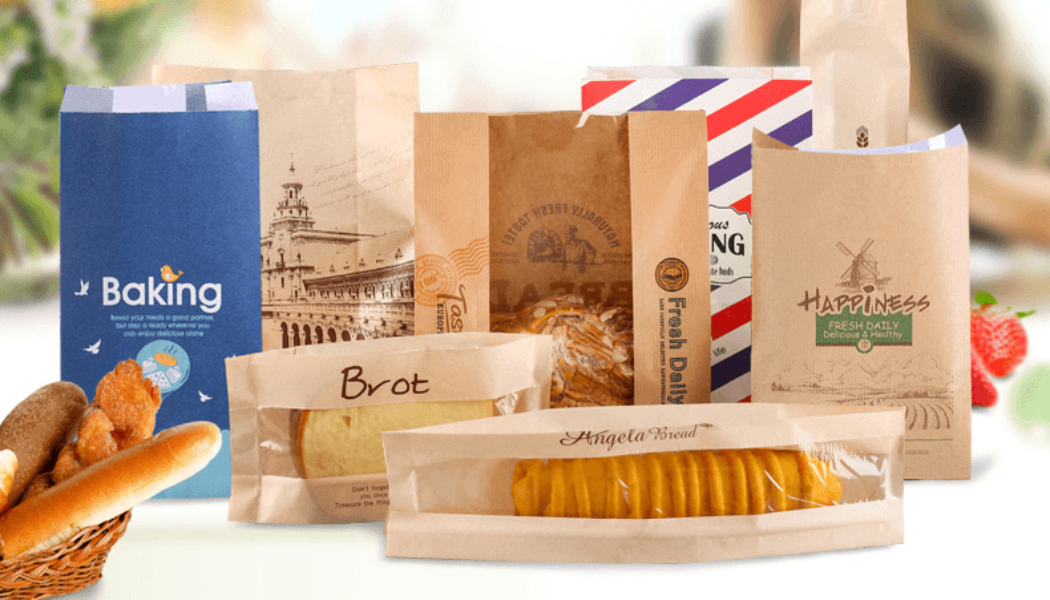
Sustainability is an increasing concern in the packaging industry. While traditional plastics are effective for frozen foods, manufacturers are exploring alternatives that reduce environmental impact without compromising safety. Options include recyclable films, compostable materials, and paper-based solutions with protective coatings.
Balancing food safety with eco-friendly practices requires careful selection of materials and adherence to both food-grade and environmental standards. Brands that prioritize sustainability can appeal to eco-conscious consumers while maintaining product quality.
Common Challenges in Packaging for Frozen Foods
Developing packaging for frozen products comes with unique challenges. Some of the most common issues include:
- Freezer burn: Caused by exposure to air, leading to dehydration and texture changes. Effective barriers and vacuum sealing can help prevent this.
- Moisture migration: Packaging must prevent water vapor from entering or escaping, which can affect product quality.
- Material brittleness: Some plastics become brittle at low temperatures, risking cracks or leaks. Selecting flexible, cold-resistant materials is essential.
- Seal integrity: Weak seals can lead to contamination or spoilage. Quality control during manufacturing is vital.
Best Practices for Selecting Food-Safe Packaging for Frozen Food
To ensure optimal results, food producers and packagers should follow these best practices:
- Assess product needs: Consider the type of food, storage duration, and distribution environment.
- Choose certified materials: Always use packaging that meets recognized food safety standards for frozen applications.
- Test packaging performance: Conduct real-world tests for durability, seal strength, and barrier effectiveness.
- Prioritize clear labeling: Provide storage and handling instructions to support consumer safety.
- Evaluate sustainability: Where possible, opt for recyclable or compostable options that do not compromise food safety.
FAQ: Food-Safe Packaging for Frozen Food
What makes packaging suitable for frozen food applications?
Packaging for frozen products must be made from materials that are certified as food-grade and capable of withstanding low temperatures without becoming brittle or leaching chemicals. It should also provide effective barriers against moisture and air to prevent freezer burn and maintain food quality.
Are there eco-friendly options for packaging frozen foods?
Yes, there are sustainable alternatives such as recyclable plastics, compostable films, and paper-based laminates with protective coatings. These materials are designed to offer the necessary barrier properties while reducing environmental impact, though they must still comply with food safety standards.
How can I ensure my frozen food packaging meets regulatory requirements?
Always source packaging from reputable suppliers who provide documentation of compliance with relevant food safety standards, such as FDA or EFSA certifications. Regular audits and quality checks help ensure ongoing compliance and product safety.