The world of 3D printed home decor is transforming how people personalize and style their living spaces. With the rise of accessible desktop 3D printers and innovative design software, it’s now easier than ever to create unique, functional, and artistic pieces for any room. Whether you’re looking to add a modern touch to your living room, experiment with custom lighting, or organize your workspace with tailored accessories, 3D printing opens up a realm of possibilities.
This article explores practical ways to incorporate 3D-printed accents into your home, from eye-catching vases and planters to intricate wall art and storage solutions. Along the way, you’ll discover the benefits of this technology, tips for getting started, and inspiration for your next DIY project. For those interested in related printing techniques, you might also want to learn about what is soft hand feel in garment printing and how it applies to textiles and design.
Why Choose 3D Printed Accents for Your Home?
Embracing 3D printed home decor brings several advantages compared to traditional store-bought items. One of the most significant benefits is customization. You can design pieces that perfectly fit your space, match your color palette, or reflect your personal style. This level of personalization is difficult to achieve with mass-produced decor.
Additionally, 3D printing is often more sustainable. Many printers use biodegradable or recycled materials, and you only produce what you need, reducing waste. The technology also enables rapid prototyping, so you can experiment with different designs and iterate until you find the perfect fit for your home.
For those interested in the broader landscape of additive manufacturing, this overview of 3D printing technology provides valuable context on how these innovations are shaping industries beyond interior design.
Popular 3D Printed Decor Ideas for Modern Spaces
The versatility of 3D printing means you can create almost any decorative object you can imagine. Here are some of the most popular and impactful ideas to consider for your home:
- Vases and Planters: Customizable in shape, size, and texture, 3D-printed vases and planters add a modern touch to tables, shelves, or windowsills. You can design geometric, organic, or even whimsical forms that complement your plants and surroundings.
- Wall Art: From abstract sculptures to intricate reliefs, 3D printing allows for detailed wall pieces that stand out. Layered designs and modular panels can be arranged in endless configurations.
- Lighting Fixtures: Lampshades, pendant lights, and sconces with complex patterns or diffused textures are easy to produce with 3D printing. These pieces can create unique lighting effects and serve as conversation starters.
- Organizers and Storage: Drawer dividers, desktop organizers, and modular shelving can be tailored to your needs. These functional items help keep spaces tidy while adding a modern aesthetic.
- Tableware and Accessories: Coasters, bowls, and trays can be printed in a variety of materials and finishes, making them both practical and decorative.
Getting Started: Tools and Materials for DIY Projects
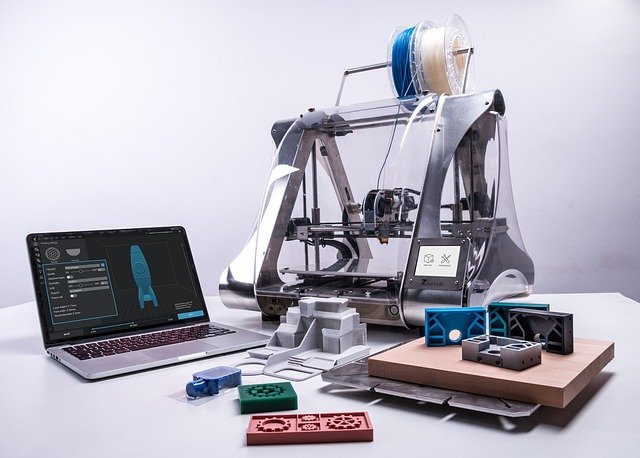
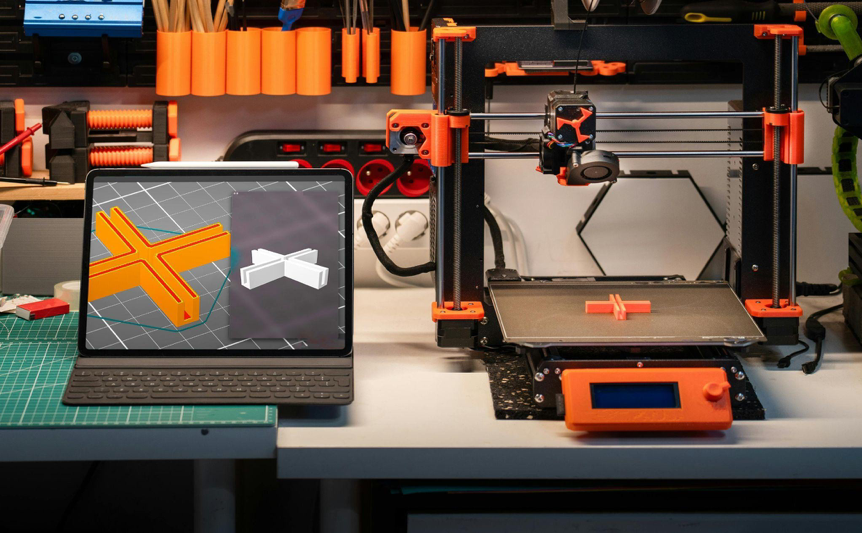
To begin creating your own 3D printed home decor, you’ll need a few essential tools and materials. The most important is a 3D printer. There are two main types commonly used for home projects:
- Fused Deposition Modeling (FDM) Printers: These use spools of filament (usually PLA, PETG, or ABS) and are ideal for larger, durable items like vases, organizers, and furniture accents.
- Resin (SLA/DLP) Printers: These use liquid resin cured by light and are best for highly detailed, smaller objects such as intricate sculptures or jewelry holders.
In addition to the printer, you’ll need design files. Many free and paid designs are available on online repositories, or you can create your own using 3D modeling software. Materials like PLA are popular for their ease of use and eco-friendliness, while specialty filaments (wood, metal, glow-in-the-dark) can add unique effects.
Safety is also important. Ensure your workspace is well-ventilated, especially when using resins or specialty filaments, and follow all manufacturer guidelines for your equipment.
Design Inspiration: Modern Trends in 3D Printed Decor
Contemporary design trends are influencing how people use 3D printing in their homes. Minimalist, geometric, and nature-inspired forms are especially popular. Here are some ideas to spark your creativity:
- Parametric Patterns: These are mathematically generated shapes that create visually striking, often organic-looking decor. Vases, lamps, and wall panels with parametric designs are both modern and timeless.
- Biophilic Elements: Incorporate patterns or structures inspired by nature—such as honeycomb shelves or leaf-shaped trays—to bring a calming, organic feel to your space.
- Modular Systems: Create decor that can be easily rearranged or expanded, such as interlocking wall tiles or stackable planters.
- Personalized Touches: Add names, dates, or custom motifs to everyday objects for a bespoke look.
Tips for Success with 3D Printed Interior Accents
To make the most of your 3D-printed creations, keep these practical tips in mind:
- Start Simple: If you’re new to 3D printing, begin with basic objects like coasters or small planters before tackling complex designs.
- Test and Iterate: Don’t be afraid to print prototypes and adjust your designs. Small tweaks can make a big difference in fit and appearance.
- Combine Materials: Mix 3D-printed elements with wood, metal, or glass for a sophisticated, layered look.
- Finishing Touches: Sanding, painting, or sealing your prints can enhance their durability and visual appeal.
- Stay Inspired: Explore online communities and design repositories for fresh ideas and troubleshooting advice.
As you experiment, you may find that 3D printing complements other creative processes. For example, those interested in fashion and textiles might explore the benefits of micro-factory models for fashion printing to see how digital fabrication is reshaping multiple industries.
FAQ: 3D Printing for Home Decor
What materials are best for 3D printed decor items?
PLA is the most common filament for home decor due to its ease of use and eco-friendliness. PETG and ABS are also popular for items that need more durability or heat resistance. For highly detailed or translucent pieces, resin is a great choice.
Can I customize the color and finish of my 3D printed decor?
Yes, you can choose from a wide range of filament and resin colors. Many designs can also be painted or finished with sealants, metallic sprays, or other coatings to achieve the desired look.
Is 3D printed home decor durable enough for everyday use?
Most 3D-printed items are sturdy enough for decorative and light functional use, especially when printed with quality materials and proper settings. For high-stress applications, consider using stronger filaments or reinforcing your designs.
The possibilities with 3D-printed accents are nearly endless, offering a blend of creativity, customization, and modern style for any living space. As technology continues to evolve, expect even more innovative ways to bring your design visions to life.