The fashion and retail industries are evolving rapidly, with personalization and speed now at the forefront of consumer demand. Digital printing has emerged as a transformative technology, allowing brands and designers to create unique, high-quality garments with unprecedented flexibility. As shoppers seek more individualized products and faster turnaround times, understanding the benefits of digital printing for customized fashion becomes essential for anyone involved in apparel production or retail.
Unlike traditional methods, digital textile printing enables on-demand production, intricate designs, and sustainable practices. This technology is not just a trend—it’s reshaping how clothing is designed, manufactured, and sold. For those interested in achieving a soft hand feel in garment printing, digital processes also offer significant advantages over older techniques.
How Digital Printing Is Changing Fashion Customization
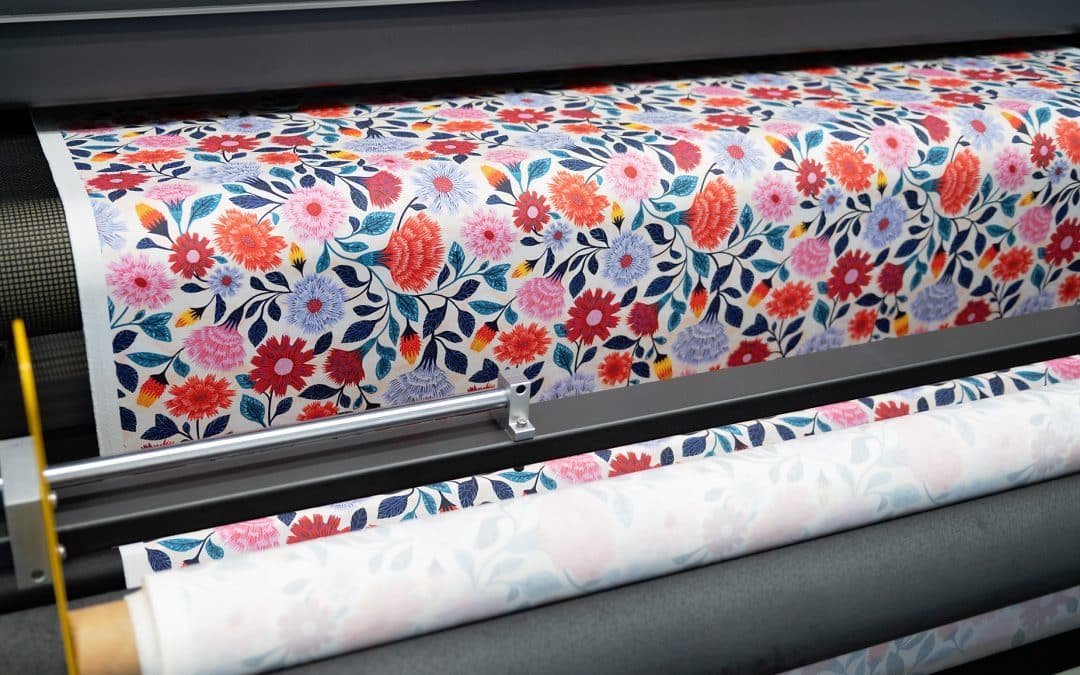
Digital textile printing uses advanced inkjet technology to apply designs directly onto fabric. This process eliminates the need for screens or plates, which are required in traditional screen printing. As a result, digital methods offer several key advantages for customized apparel and retail products.
Speed and Flexibility for On-Demand Production
One of the most significant benefits of digital printing for customized fashion is the ability to produce garments quickly and efficiently. Digital printers can switch between designs with minimal setup, making it possible to fulfill small orders or even single-piece runs without extra cost or delay. This flexibility is ideal for brands offering personalized products or limited-edition collections.
Retailers can respond to trends in real time, launching new designs as soon as they spot a shift in consumer preferences. This agility reduces the risk of overproduction and unsold inventory, which is a common challenge in traditional manufacturing.
Design Freedom and High-Resolution Prints
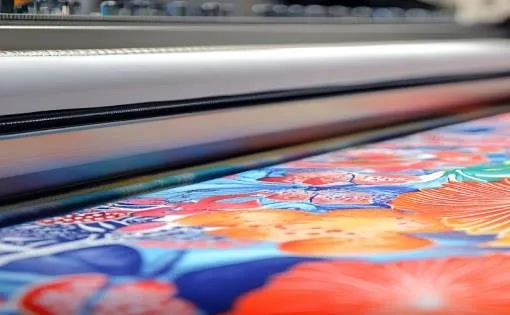
Digital printing enables designers to experiment with complex patterns, gradients, and photographic images that would be difficult or impossible with older techniques. The technology supports millions of colors and fine details, resulting in vibrant, high-resolution prints that stand out in the marketplace.
This creative freedom is especially valuable for brands seeking to differentiate themselves or offer truly unique products. Whether it’s intricate artwork, full-color graphics, or subtle textures, digital processes make it all possible without compromising quality.
Sustainability Advantages in Modern Apparel Production
Sustainability is a growing concern in the fashion industry, and digital printing offers several environmental benefits. Traditional printing methods often require large amounts of water, chemicals, and energy. In contrast, digital techniques use less water and produce less waste, making them a more eco-friendly option.
Reduced Waste and Resource Efficiency
Because digital printing is ideal for short runs and on-demand production, it helps minimize overstock and fabric waste. There’s no need to print hundreds of garments in advance—brands can produce only what is needed, when it’s needed. This approach supports a more sustainable supply chain and reduces the environmental impact of unsold goods.
Additionally, digital printers use precise amounts of ink, resulting in less chemical runoff and fewer wasted resources. Many systems now use water-based inks that are less harmful to the environment compared to traditional dyes.
Supporting Micro-Factory and Localized Production Models
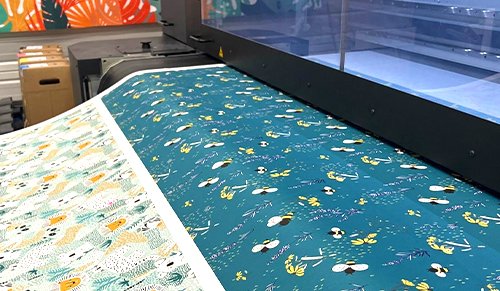
Digital printing technology aligns well with micro-factory models for fashion printing, where small, agile production facilities create garments close to the point of sale. This reduces shipping distances and carbon emissions, while also enabling faster delivery to customers.
Localized production also allows for greater customization and responsiveness to local trends, further enhancing the value proposition for both brands and consumers.
Cost-Effectiveness and Market Responsiveness
While the initial investment in digital printing equipment can be significant, the long-term cost savings are substantial for brands focused on customization and small-batch production. Without the need for screens, plates, or extensive setup, digital processes eliminate many of the fixed costs associated with traditional printing.
Lower Minimum Order Quantities
One of the biggest advantages of digital printing for personalized fashion is the ability to offer low or even zero minimum order quantities. This opens up new opportunities for startups, independent designers, and small retailers who may not have the resources to commit to large production runs.
By reducing the financial barriers to entry, digital printing democratizes access to high-quality garment production and allows more creative voices to participate in the industry.
Rapid Prototyping and Sampling
Digital technology makes it easy to create samples and prototypes quickly, enabling designers to test new ideas and get feedback before committing to full-scale production. This accelerates the product development cycle and helps brands stay ahead of the competition.
For more technical details about how digital textile printing works, this guide on digital textile printing technology provides a comprehensive overview.
Quality and Durability in Custom Apparel
Modern digital printing delivers exceptional print quality, with sharp lines, vivid colors, and consistent results across different fabrics. Advances in ink formulations and printer technology have also improved wash durability and colorfastness, ensuring that custom garments look great even after repeated use.
For brands concerned about the tactile feel of printed garments, digital methods can produce a soft, comfortable finish that rivals or surpasses traditional techniques. This is especially important for fashion items where comfort and appearance are equally valued.
Frequently Asked Questions
What types of fabrics are suitable for digital textile printing?
Digital printing works best on natural fibers like cotton, silk, and linen, but advances in technology now allow for high-quality results on polyester and blended fabrics as well. The choice of ink and pre-treatment process will depend on the specific material.
Is digital printing more sustainable than screen printing?
Yes, digital processes generally use less water, fewer chemicals, and produce less waste compared to traditional screen printing. On-demand production also helps reduce overstock and unsold inventory, supporting a more sustainable fashion supply chain.
Can digital printing achieve the same color vibrancy as traditional methods?
Modern digital printers are capable of producing vibrant, high-resolution prints with a wide color gamut. While there may be some differences in texture or finish, the overall quality and color accuracy are often superior to older techniques, especially for complex or photographic designs.