For brands and businesses aiming to scale up their apparel lines, selecting the right heat press is a critical decision. The right equipment impacts not only the quality of finished garments but also production speed, consistency, and long-term costs. Whether you’re moving from small-batch runs to full-scale manufacturing or upgrading your studio, understanding how to choose a heat press for fashion production is essential for professional results.
In this guide, we’ll break down the most important factors to consider, from press types and technical features to fabric compatibility and workflow integration. You’ll also find practical tips and links to further resources, including expert advice on what is soft hand feel in garment printing—a key concern for modern fashion brands.
Understanding Heat Press Types for Fashion Manufacturing
Before investing, it’s important to know the main categories of heat presses used in the apparel industry. Each type offers unique advantages depending on your production needs and garment types.
- Clamshell Presses: These open and close like a clamshell, making them compact and easy to use. They’re ideal for T-shirts and flat garments but may be less suitable for thicker items or layered applications.
- Swing-Away Presses: The upper platen swings away from the lower platen, allowing for safer garment placement and even pressure. This design is preferred for thicker fabrics, multi-layer transfers, and minimizing risk of burns.
- Draw Presses: The lower platen pulls out like a drawer, providing a clear workspace for positioning garments. This type combines safety with efficiency, especially in high-volume settings.
- Automatic and Pneumatic Presses: For large-scale production, automatic or pneumatic models offer consistent pressure and temperature control with minimal manual effort. These are best for professional environments where speed and uniformity are crucial.
Choosing the right style depends on your typical garment types, available space, and production volume. For example, swing-away or pneumatic presses are often preferred in professional settings for their versatility and safety.

Key Features to Evaluate When Selecting a Heat Press
When considering how to choose a heat press for fashion production, focus on the following technical features to ensure your investment meets your business needs:
- Size of the Platen: The platen size determines the maximum print area. Standard sizes (15”x15” or 16”x20”) work for most apparel, but larger platens are needed for oversized prints or specialty garments.
- Temperature Accuracy and Consistency: Look for digital controls that allow precise temperature settings. Inconsistent heat can lead to poor adhesion, fading, or garment damage.
- Pressure Adjustment: Adjustable pressure is vital for working with different fabrics and transfer types. Pneumatic presses excel in delivering even, repeatable pressure.
- Time Controls: Programmable timers help maintain consistency across batches and reduce the risk of over- or under-pressing.
- Build Quality and Materials: Industrial-grade steel frames and high-quality heating elements ensure durability and long-term reliability, especially in high-volume environments.
Assessing these features will help you avoid common pitfalls, such as uneven transfers or premature equipment failure.
Matching Heat Presses to Fabric Types and Printing Methods
Not all heat presses are equally suited for every fabric or printing technique. Consider the following when aligning your equipment with your production goals:
- Fabric Sensitivity: Delicate fabrics like polyester or performance blends require precise temperature control to avoid scorching or color shifting. Cotton and heavier materials can tolerate higher heat and pressure.
- Transfer Methods: Direct-to-film (DTF), sublimation, vinyl, and screen-printed transfers each have specific requirements. For example, DTF and sublimation benefit from even heat and pressure, while vinyl may need adjustable pressure for thicker layers.
- Soft Hand Feel: Achieving a soft, comfortable finish is a top priority for many brands. For more on this, see our guide to what is soft hand feel in garment printing.
Testing your chosen press with actual production materials is highly recommended before committing to large orders.
Workflow Integration and Production Efficiency
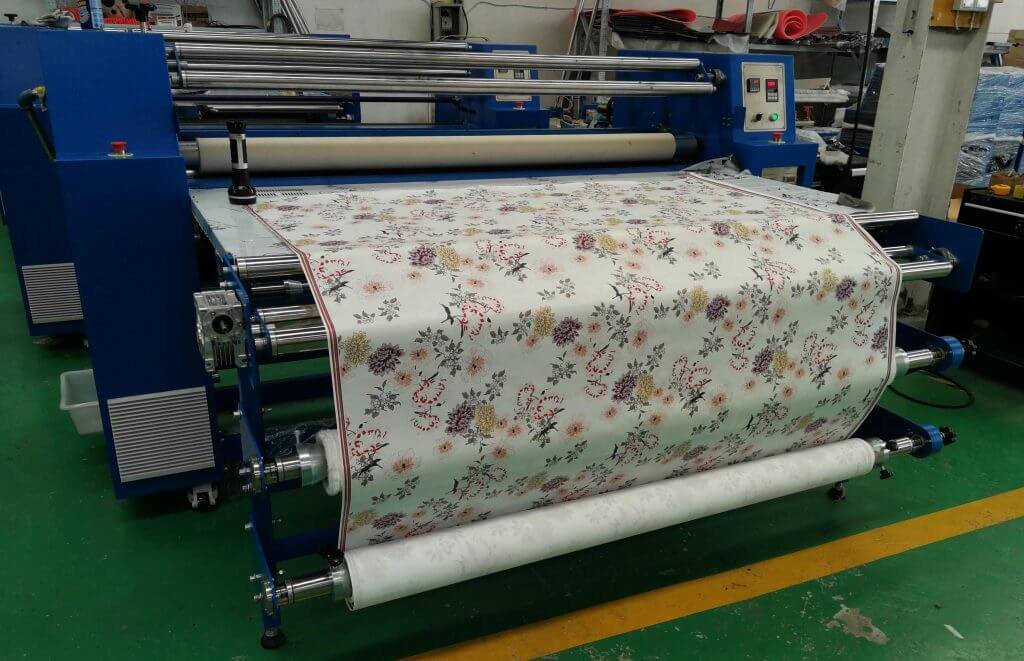
Beyond the technical specs, consider how your heat press will fit into your overall production workflow. For professional fashion manufacturing, efficiency and scalability are just as important as print quality.
- Production Volume: For high-volume runs, automatic or pneumatic presses can dramatically increase throughput and reduce operator fatigue.
- Ergonomics and Safety: Features like swing-away platens, pull-out drawers, and auto-open functions reduce the risk of burns and repetitive strain injuries.
- Maintenance and Reliability: Choose models with accessible parts and strong manufacturer support to minimize downtime.
- Space Requirements: Ensure your workspace can accommodate the press, including clearance for swing-away or draw-style models.
Integrating your press with other equipment, such as pre-treatment stations or automated garment loaders, can further streamline production. For insights on optimizing workflows, explore the benefits of micro-factory models for fashion printing.
Budget Considerations and Long-Term Value
While upfront cost is a major factor, it’s important to weigh the total cost of ownership. Cheaper presses may save money initially but could lead to higher maintenance costs, inconsistent results, or limited scalability.
- Warranty and Support: Opt for brands with strong warranties and responsive customer service.
- Energy Efficiency: Energy-efficient models can lower operating costs over time.
- Upgrade Paths: Some presses allow for modular upgrades, such as interchangeable platens or automation kits, providing flexibility as your business grows.
Investing in a reliable, well-supported press pays dividends in production consistency and customer satisfaction.
Staying Ahead: Trends in Heat Press Technology
The world of textile printing is rapidly evolving, with new technologies making it easier to achieve vibrant, durable prints on a wide range of fabrics. Digital innovations, such as advanced temperature sensors and programmable automation, are transforming the industry. For a deeper dive into how digital printing is shaping the future of garment production, check out this analysis of digital textile printing’s impact on fabric production.
Staying informed about these advancements ensures your business remains competitive and ready to meet changing market demands.
Frequently Asked Questions
What size heat press is best for professional apparel production?
The ideal size depends on your typical print area. For most fashion brands, a platen size of 16”x20” offers enough versatility for T-shirts, hoodies, and tote bags. Larger presses are recommended for oversized prints or specialty garments.
How do I ensure consistent quality when using a heat press?
Consistency comes from precise temperature, pressure, and timing controls. Digital displays, programmable settings, and regular calibration help maintain uniform results. Testing with actual production materials before full runs is also essential.
Can one heat press handle all types of fabrics and transfers?
While many modern presses are versatile, some fabrics and transfer methods require specialized equipment. Adjustable pressure, accurate temperature control, and interchangeable platens increase flexibility, but always test with your specific materials and techniques before scaling up.